Introduction: The Hidden Dangers Behind Smartphone Photos
In an increasingly digital world, your smartphone camera might be doing more than capturing memories. Recent developments indicate that biometric data—such as fingerprints and facial features—could be reconstructed from ordinary photos taken from a safe distance. What was once a highly technical and costly process is now becoming accessible to malicious actors, threatening the security of your digital identities and biometric authentication systems.

How Everyday Photos Can Compromise Your Security
It might sound surreal, but a casual selfie or a photo of your hand resting on your phone in a video chat can provide enough detail for experts to recreate your biometric signatures. Experts highlight that photos taken from just 1.5 meters—a common distance for selfies—can contain sufficient residue of fingerprint ridges or facial details needed to forge biometric data.
What makes this even more alarming is the rise of AI-powered image processing tools, which can enhance low-resolution images, revealing minute details that are invisible to the naked eye. These tools can essentially “read” fingerprint patterns or facial features, making it possible to clone biometric identifiers without physical access to the original biometric artifacts.
The Process of Reconstructing Biometrics from Photos
Reconstruction starts with capturing multiple high-resolution images—preferably taken with good lighting and minimal movement—to ensure maximum detail. Advanced image enhancement software analyzes the photos, sharpening features like fingerprint grooves or facial contours.
For fingerprints, analysts focus on ridge patterns and minutiae points—tiny details that if accurately reconstructed, can be used to forge fake fingerprint molds. For facial biometrics, AI algorithms extract facial landmarks, analyzing skin texture, contours, and unique features.
Once reconstructed, biometric data can be used to bypass fingerprint scanners, facial recognition systems, or other security measures—especially if these systems are not equipped with liveness detection or anti-spoofing mechanisms.
Tools That Enable Biometric Reconstructions
- High-resolution smartphone cameras: Modern phones have sensors capable of capturing extremely detailed images.
- Photo editing and AI-based enhancement: Software like Photoshop, GANs (Generative Adversarial Networks), and specialized biometric reconstruction tools can fine-tune images to reveal hidden details.
- 3D modeling and printing: Reconstructed fingerprint or facial data can be used to create fake molds or print replicas for physical spoofing.
Real-World Examples and Incidents
In 2013, security researcher Jan Krissler demonstrated how to bypass Apple’s Touch ID using publicly available images of a victim’s hand. His work showed that high-resolution photos could be sufficient to generate reliable fake fingerprints, especially when combined with specialized printing techniques.
Similarly, in 2021, security teams showcased how Photoshop, laser printers, and glue could produce fake fingerprints from mere photographs, posing a serious threat to biometric security systems that lack multiple verification layers.
Why Are These Attacks Increasingly Feasible?
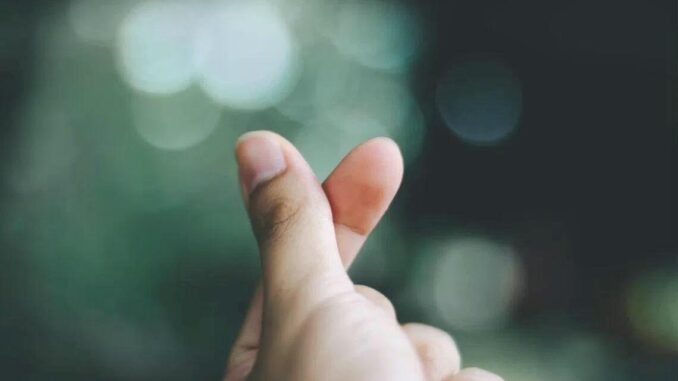
The evolution of smartphone cameras and image processing AI has made it easier for attackers to obtain detailed biometric images without the need for physical access. The proliferation of selfie culture and public sharing of personal moments significantly raises the risk, especially with habits like ‘V-sign selfies’ that expose fingertips or facial features.
Furthermore, biometric systems that do not employ advanced liveness detection—which verifies a real, live presence—are far more vulnerable to these sophisticated spoofing techniques. As these attacks become more refined, the security community must adapt by integrating multi-factor authentication and anti-spoofing safeguards.
Preventive Measures and Best Practices
- Enhance biometric verification: Use liveness detection technologies such as eyelid movement, heartbeat detection, or depth sensing.
- Limit sharing of sensitive images: Be cautious when posting or sharing close-up images of your fingers or face, especially in public or untrusted environments.
- Utilize multi-factor authentication: Combine biometric verification with PINs, passwords, or security tokens to reduce the risk of spoofing.
- Maintain security hygiene: Regularly update your device’s security features and software to defend against emerging threats.
Future Outlook: Addressing the Threats
The ongoing arms race between security systems and attack techniques necessitates a comprehensive approach. Developers and security professionals must prioritize robust anti-spoofing methods and public education to prevent exploitation of biometric data through seemingly innocuous photos.
Given the rapid technological advances, regulators and standards bodies should also establish strict guidelines for biometric data handling and vulnerability assessments, ensuring that biometric systems are resilient against image-based attacks.