
NS launches a clear, non-discriminatory online sales process for retired trains
Nederlandse Spoorwegen (NS) opened a dedicated online portal to sell decommissioned passenger trains after the European Commission closed its preliminary antitrust inquiry. NS announced it will list an initial group of 15–20 ICM electric multiple unit (EMU) train sets in September 2027. The new policy requires transparent marketing, equal treatment of buyers, and a structured six-stage sales procedure that begins about a year before any public listing.
Why NS is selling ICM trains now and what that means for the market
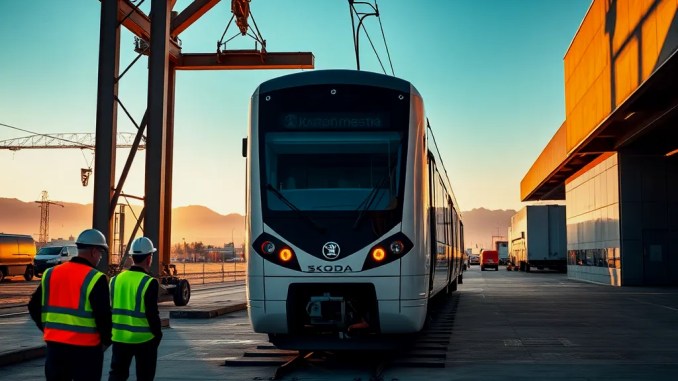
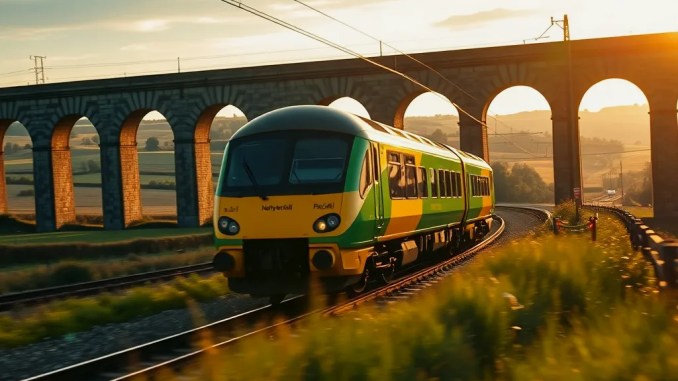
NS is replacing older equipment with roughly 100 new ICNG trains already entering service; additional DDNG and FLIRT units will follow from 2030. As new trains arrive, older units become surplus, so NS intends to offer them to other operators before recycling. Selling usable rolling stock can lower entry barriers for small or new carriers, reduce waste by extending asset life, and help NS manage warehouse and yard capacity. For units that fail to find buyers, NS will dismantle them under circular recycling procedures.
How the six-stage sales procedure works, step by step
NS designed a predictable workflow to give buyers time to finance and certify trains, and to arrange storage and transport. Key steps and timelines:
1. Listing (early stage): NS announces the series, estimated vehicle count, manufacture year, technical specs and homologation status, and buyer prerequisites approximately 12 months before sale.
2. Withdrawal from service (preparation): Trains planned to exit the fleet under EU rules and are prepared for sale where permitted.
3. Market check (expression of interest): Registered parties indicate interest. If multiple buyers express intent, NS launches a competitive sale; If only one party signals interest, NS may pursue bilateral negotiations.
4. Announcement and information package: NS publishes the official call and sells a detailed information pack—covering technical condition, failure history, maintenance records, and known constraints—for €1,000. This gives buyers concrete data to prepare realistic offers and certification plans.
5. Evaluation of bids: NS evaluates proposals against published criteria and may set an undisclosed reserve price. Timetables allow at least six months between official announcement and bid submission to enable funding and homologation work.
6. Delivery and handover: Winners collect trains in the Netherlands and organize onward transport. NS usually requires delivery dates no earlier than three months after award notification but can shorten timelines in exceptional cases.
Buyer obligations: technical, financial and operational requirements
Buyers must demonstrate legal use of trains in rail operations and sufficient financial capacity to complete purchase and certification. Each buyer must designate a responsible technical officer and a maintenance provider. NS disallows geographic restrictions inside the European Economic Area, so buyers can operate trains anywhere within that area subject to national homologation. Timely collection and clearing of trains from NS depots also form part of the contract to prevent yard congestion that would interfere with incoming new trains.
What NS will and will not sell: special cases and exceptions
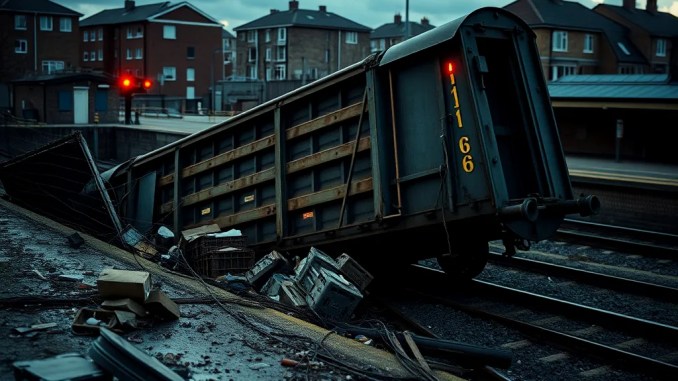
NS excludes certain cars from the standard process. Severely damaged vehicles and units offered for museum or preservation sale follow alternate procedures. If an entire series completes the sales process without successful offers, NS will route remaining units to dismantling and material recovery. NS has sold surplus cars through external platforms in the past; some cars failed to attract buyers and were recycled.
How this affects Competitors and EU policy goals
The European Commission’s concern during the probe centered on the possibility NS could block or delay rivals’ access to second‑hand rolling stock, which would hinder competition. The Commission closed the inquiry after NS adopted the transparent policy, but it explicitly stated closure is not an endorsement that NS’s practices fully comply with competition law—monitoring will continue. The Commission and the EU high‑speed rail action plan emphasize preventing anti‑competitive scrapping of usable trains and promoting transparent resale markets to lower barriers for smaller and new operators.
Practical implications for potential buyers and operators
Operators interested in the ICM sets should prepare by doing the following before the official 2027 listing:
1. Financial readiness: Secure financing or letters of intent now so you can meet deposit and payment schedules before the sale starts.
2. Technical due diligence: Arrange inspections and homologation pathways in target countries; factor in adaptation costs (signaling, power collection, fire safety) to estimate total acquisition cost.
3. Logistics planning: Build a transport plan from NS depots to final operation points, including temporary storage and any required gauge or configuration work.
4. Maintenance strategy: Identify a maintenance provider and spare-parts plan; olders often need more extensive initial overhauls and bespoke sourcing for components.
Examples and numbers to guide offers
Past secondary sales show some cars fleet sell quickly when buyers can forecast certification time and refurbishment budgets. For instance, if a buyer expects a 12–24 month homologation window and estimates refurbishment at €200,000–€500,000 per unit depending on condition and scope, bids should reflect total cost of ownership—not just the asking price. NS’s €1,000 information pack helps refine these figures with real maintenance histories and measured fault rates.
What to watch in the months before the 2027 sale
Watch for: NS’s formal listing with exact vehicle counts and ages; available inspection slots; country-specific homologation constraints; and whether competing buyers register during the market-check phase. Also monitor EU statements on second‑hand rolling stock rules—any new binding measures could modify resale conditions or cross‑border operation requirements.
Takeaway for the sector
NS’s structured, transparent approach creates a clearer pathway for second‑hand train transactions inside the EEA. Prepared buyers who align financing, technical certification and logistics ahead of the official listing will gain the best chance to secure ICM sets and bring them into service quickly and cost‑effectively.





Be the first to comment