
Incident Overview
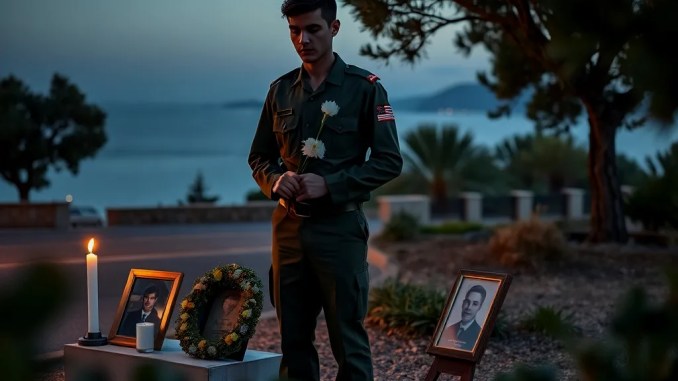
The Turkish Ministry of National Defense announced that Ammunition Private Kaan Öcal, serving his conscription term in the Turkish Republic of Northern Cyprus (TRNC), suffered a sudden heart attack while on duty and was pronounced dead on 13 November 2026. Officials state the event occurred during a posted service period; medical personnel responded but were unable to revive him. The ministry released an official condolence statement signed by Minister Yaşar Güler.
Official Statement from Minister Yaşar Güler
Minister Yaşar Güler publicly expressed sorrow and extended condolences to the fallen soldier’s family and the nation. In his statement the minister confirmed the timeline of events and offered prayers and sympathy on behalf of the Ministry of National Defense. The release affirmed that the death is being treated with full official protocols for a service-related fatality.
What Happened: Timeline and Immediate Response
According to the ministry bulletin, the sequence was: 1) the soldier displayed sudden medical distress while at his post; 2) unit members alerted on-site medical teams; 3) first aid and resuscitation attempts were executed; 4) he was transferred to the nearest medical facility; and 5) despite interventions, he was declared dead on 13 November 2026. This concise timeline provides the core facts the ministry announced publicly.
Medical and Investigative Procedures Underway
Standard military procedures require a formal medical examination and an administrative inquiry after any soldier dies during service. The steps typically include a forensic autopsy to determine precise cause of death, review of service records and duty rosters, interview of witnesses and unit personnel, and documentation of any equipment or logistical factors that may have bearing on the incident. The ministry’s announcement indicates those procedures will be followed.
Implications for Unit Operations and Family Support
Following confirmed fatalities, military units implement both operational adjustments and family assistance measures. Operationally, units may reassign duties temporarily, conduct wellness checks on peers, and review readiness protocols for medical emergencies. For the family, the ministry usually provides official notification, logistical support for transport of remains, counseling services, and coordination of state honors if the death is recorded as service-related. Minister Güler’s message outlined condolence and support consistent with these practices.
Context: Conscription and Service Conditions in Northern Cyprus
Turkey maintains a conscription system in which many young men serve fixed terms, sometimes stationed abroad in locations such as the TRNC. Typical service duties for an ammunition private include ordnance handling, storage management, routine guard duty and ammunition safety protocols. Service environments can vary: postings on remote outposts can lengthen emergency response times, whereas garrison hospitals and field medics provide immediate care. Understanding these conditions clarifies the operational context where a sudden medical event can become fatal despite rapid response.
Questions People Ask
Is a death during conscription automatically considered a service casualty? Not automatically. Determination depends on medical findings, duty status at time of death, and investigative results. If death occurs while on active posted duty and investigations confirm service link, it may be registered as service-related.
What medical follow-up and autopsy steps occur? Military protocol requires forensic autopsy to establish cause, toxicology screens if indicated, and review by military medical boards. Results guide both administrative classification and any benefits or honors awarded.
How quickly are families notified and supported? Notification procedures prioritize next-of-kin contact by senior officers, followed by administrative and logistical assistance. The timeline is usually immediate after confirmation of death, with the ministry coordinating transport and benefits.
Precedents and Data on On-Duty Medical Deaths
On-duty medical deaths among conscripts are statistically rare but not unprecedented. Contributing factors in sudden cardiac events can include undiagnosed congenital conditions, myocarditis, extreme exertion, or delayed medical access. Militaries commonly emphasize pre-service screenings and prompt on-site emergency training to reduce risk. Specific statistical breakdowns vary by country and are published periodically in defense health reports.
Practical Steps for Units to Reduce Risk
Step-by-step measures that units implement to lower risk of sudden medical events include: 1) pre-enlistment cardiac and general health screening; 2) routine periodic medical evaluations; 3) accessible automated external defibrillators (AEDs) at key posts; 4) regular first-aid and CPR training for all personnel; 5) clear emergency evacuation protocols and drills; and 6) maintaining communication links to rapid medical transport. These measures shorten response time and improve survival odds in cardiac emergencies.
Final Notes and Next Steps
The Ministry of National Defense has publicly announced the death and issued condolences. Official investigators and medical examiners will complete procedures to confirm cause and classify the incident. The ministry’s statement and Minister Güler’s condolence message reflect the state’s immediate public response; further details will emerge once medical and administrative reviews conclude.









Be the first to comment