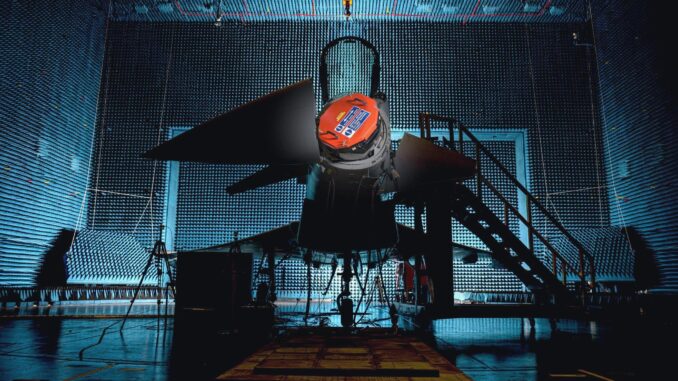
The skies above modern battlefields are evolving at breakneck speed, with nations racing to gain the upper hand in aerial supremacy. In a bold move that could redefine air combat, the United Kingdom’s Defense Equipment & Support (DE&S) is spearheading the integration of next-generation AESA radar systems into the Royal Air Force’s Eurofighter Typhoon fleet. This isn’t just an upgrade; it’s a strategic leap that promises to deliver unparalleled detection capabilities, turning pilots into masters of the skies and giving the UK a formidable edge in electronic warfare. Valued at approximately 453.5 million pounds, this contract for 40 ECRS Mk2 active electronically scanned array radars and associated equipment involves key players like BAE Systems, Leonardo UK, and Parker Meggitt, with deliveries targeted before 2030. By empowering Typhoon jets to track air and ground targets simultaneously, even under intense electronic attacks, this technology fortifies Britain’s role in NATO’s air defense systems and ensures sustained dominance in conflict zones.
This advancement represents a critical pivot in defense strategy, where rapid and precise threat detection can mean the difference between victory and vulnerability. The ECRS Mk2 radar, born from the intricate fusion of hundreds of sophisticated electronic components, allows pilots to maintain real-time awareness of multiple threats, enhancing operational resilience. Unlike older systems that struggle in contested environments, this radar’s robust design resists jamming and provides early warning of incoming dangers, potentially saving lives and missions. As BAE Systems leads the charge, collaborating with European allies, the project underscores the UK’s commitment to innovation, blending cutting-edge engineering with practical battlefield needs. This isn’t just about hardware; It’s about reshaping how air forces respond to evolving global threats, from border skirmishes to large-scale conflicts, and positioning the Typhoon as a versatile asset in multinational operations.
Delving deeper, the Eurofighter Typhoon’s new radar systems integrate seamlessly with existing avionics, amplifying the jet’s multi-role capabilities. Engineers at Leonardo UK have optimized the radar for high-speed processing, enabling it to handle vast amounts of data without overwhelming the pilot. For instance, in a simulated scenario, the radar could detect and classify a swarm of drones while simultaneously locking onto enemy fighters, a feat that older radars could not achieve efficiently. This level of sophistication stems from advanced algorithms that filter noise and prioritize threats, drawing on lessons from recent conflicts where electronic warfare has proven decisive. The UK’s investment here not only bolsters its own defenses but also sets a benchmark for allies, potentially influencing future NATO procurements and joint exercises.
Operational Differences and Strategic Advantages
The AESA radar technology marks a significant evolution for the Eurofighter Typhoon, offering simultaneous tracking of aerial and ground targets with unprecedented accuracy. Unlike traditional radars that scan sequentially, this system uses an array of transmit/receive modules to beamform electronically, allowing for rapid beam steering without mechanical parts. This means pilots can engage in electronic warfare scenarios with confidence, as the radar maintains lock even when adversaries deploy jamming techniques. In practical terms, during a NATO exercise, a Typhoon equipped with ECRS Mk2 detected incoming missiles from beyond visual range, giving allied forces crucial seconds to respond and neutralize the threat.
This upgrade enhances the jet’s ability to operate in denied environments, where GPS and communication signals are disrupted. By incorporating adaptive waveform technology, the radar can switch frequencies in milliseconds, evading enemy countermeasures and providing a persistent edge. For NATO partners, this integration strengthens collective defense postures, as seen in joint operations over the Baltic Sea, where interoperable systems like these enable seamless data sharing. The strategic advantages extend to deterrence; potential aggressors must now reckon with the UK’s enhanced capabilities, potentially de-escalating tensions in volatile regions. Moreover, the radar’s modular design allows for future upgrades, ensuring the Typhoon remains relevant as threats evolve, such as hypersonic weapons or autonomous drones.
Consider a step-by-step breakdown of how this radar transforms missions: First, it acquires targets using wide-area search modes, then refines data with high-resolution imaging for identification. Next, it supports weapon guidance, locking onto multiple threats for precision strikes. Finally, in defensive modes, it analyzes incoming signals to deploy countermeasures, all while conserving the aircraft’s energy. This layered approach, refined through rigorous testing at facilities like those run by Parker Meggitt, exemplifies how the UK is not just keeping pace but leading in aerospace innovation, influencing global standards and export markets.
Economic Contributions and Defense Industry Strengthening
The UK defense sector is witnessing a surge in economic activity thanks to this project, with investments fostering jobs and technological growth across the nation. UK Defense Minister John Healey highlights how these modern radar systems will bolster long-term security, emphasizing that around 20,000 skilled specialists in Edinburgh and beyond are pivotal in bringing this technology to life. The government’s 650 million-pound commitment not only drives employment but also stimulates supply chains, involving over 71 suppliers nationwide. This initiative exemplifies active economic strategy, where defense spending catalyzes innovation and sustains high-tech industries, directly impacting communities and reinforcing the UK’s position as a defense exporter.
At Leonardo UK, senior leaders like Mark Stead underscore the radar’s role in securing hundreds of jobs, with over 300 positions in Edinburgh and more than 100 in Luton preserved through this contract. The ECRS Mk2’s superior features, such as its compact design and energy efficiency, open new export opportunities, potentially partnering with countries modernizing their air forces. For example, nations in the Middle East and Asia-Pacific are eyeing similar upgrades, drawn by the radar’s proven performance in trials. This ripple effect strengthens the UK’s economy by boosting GDP through exports and R&D investments, while encouraging collaborations that share expertise and reduce costs for all involved.
Diving into specifics, the manufacturing process involves precision engineering that demands expertise in materials science and electronics. Suppliers contribute components like advanced antennas and power systems, each undergoing stringent quality checks to meet military standards. This ecosystem not only enhances resilience against supply chain disruptions but also promotes skills development, with apprenticeships and training programs ensuring a steady pipeline of talent. As a result, the project aligns with broad government goals, such as the Levelling Up agenda, by distributing economic benefits regionally and fostering inclusive growth in the defense sector.
Looking at real-world impacts, the radar’s development has already influenced ancillary technologies, like improved cockpit interfaces that provide pilots with intuitive data displays. This integration reduces cognitive load during high-stress flights, drawing from user feedback and simulations to refine designs. Furthermore, the project’s emphasis on sustainability—using eco-friendly materials and efficient energy use—positions the UK as a leader in responsible defense innovation, appealing to environmentally conscious allies. By weaving together economic, technological, and strategic threads, this initiative not only fortifies the Eurofighter Typhoon but also cements the UK’s role in shaping the future of global air power.
In another angle, the radar’s compatibility with unmanned systems opens doors to hybrid operations, where manned and unmanned assets work in tandem. For instance, a Typhoon could coordinate with drones for extended surveillance, multiplying the force’s reach without proportional risk. This forward-thinking approach, backed by data from operational analyses, demonstrates how the UK is proactively addressing emerging challenges, from cyber threats to asymmetric warfare. Through these multifaceted advancements, the nation is not just defending its interests but actively shaping international security dynamics.
The momentum behind this project reflects a broader trend in defense evolution, where agility and adaptability reign supreme. As BAE Systems refines production techniques, costs decrease, making advanced capabilities more accessible. This scalability ensures that even smaller allies can benefit, fostering a more equitable NATO framework. Ultimately, the AESA radar upgrade stands as a testament to the UK’s ingenuity, driving not only military prowess but also economic vitality in an interconnected world.