The Rapidly Changing Face of Modern Technologies in Rescuing People Lost in the Mountains
The sound of someone lost on top of a mountain echoes in the ears of the search teams. This sound is not just a physical clue; It is also a ray of hope arising from the combination of artificial intelligence, Unmanned Aerial Vehicles (UAV) and advanced image processing algorithms. Today, these technologies, competing with difficult terrain conditions, are revolutionizing the tracking of missing people; While it saves time and resources, it also reduces the false alarm rate. In this article, we explain step by step how technology and human experience symbiosis by establishing a viable ecosystem for operational units.
In the following sections, we will discuss the working principles of artificial intelligence-supported search and rescue systems, the operational advantages of UAVs, and the new business models brought by integration with concrete examples. We will also explain ethical and privacy issues as rules of thumb and show how human oversight plays a critical role in future rescue solutions.
Artificial Intelligence Supported Search and Rescue Systems: Speed, Accuracy and a Different Approach than the Previous
In the past, teams have had to contend with portable devices and in-person observation over large areas. Today, big data analysis and machine learning-based software can scan hundreds of photo and video content collected on mountain slopes in seconds. This process narrows down potential search points and sharpens the teams’ focus by analyzing distinctive features of the missing person, such as their clothing, movement rhythm, and behavioral patterns.
The cornerstone of the system is advanced image processing techniques. Algorithms that evaluate color, contrast, texture and movement patterns detect anomalies to track down what is lost. It also establishes reliable connections between light conditions, shadows and surface structures in different terrains. This approach reduces false positives and increases the operational safety of teams, especially in long-term operations.
Another advantage is that operational experience quickly turns into systematic knowledge thanks to learning systems. When a team goes into the field for the first time, the success rate increases when compared to data from previous missions; systems update themselves with new data in real time and produce more reliable results over time.
The Strategic Role of Unmanned Aerial Vehicles in Rescue: Speed, Reach and Detail
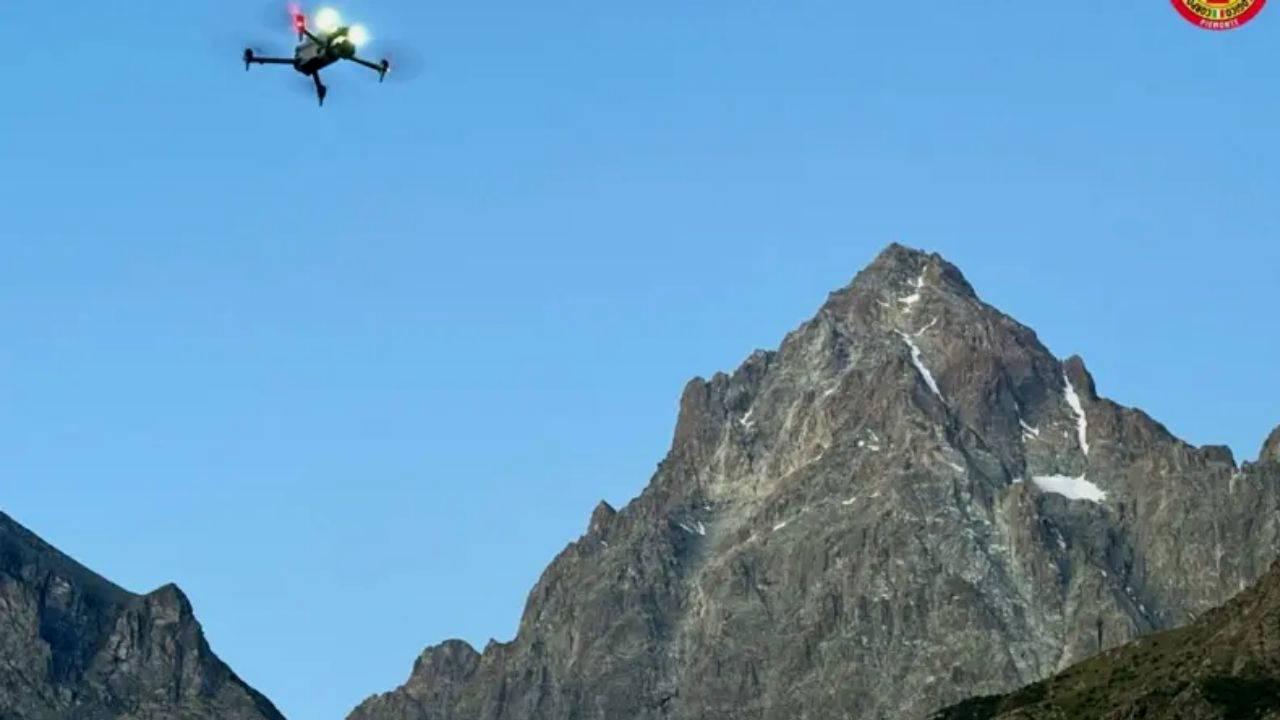
UAVs create unique geographic awareness by providing high-resolution images and video. It offers much faster scanning than manpower for steep slopes in mountainous regions, wide valleys and difficult-to-access terrains. The advantages of UAVs include: fast mobility, wide area scanning without body height limitations, unique viewing angle and powerful infertility. Additionally, it offers a less risky operation plan than helicopters in case of disaster; It provides rapid response even in cases of falling equipment, shock or emergency landing.
UAVs not only provide visual information, but also capture night vision, temperature differences and environmental changes with thermal cameras and multispectral sensors. In this way, clues such as the missing person’s heat signature or contrasting clothing are pinpointers. Real-time data on the topography of the terrain allows teams to operate safely and can dynamically update the search plan.
The integration works on the communication between the UAV and the AI. UAV footage is analyzed instantly by artificial intelligence modules, and the most high-risk areas or potential locations can be prioritized. This symbiotic approach allows teams to quickly narrow down space and shortens operational time.
Integrated Data Flow and Workflow for Broad Accuracy
Integration architecture is vital to the successful outcome of a rescue operation. Visuals from UAVs and AI analytics converge around a central coordination point. This center monitors data flow in real time, evaluates threat scores and accelerates teams’ decisions. At the same time, three-dimensional maps of the search area are created and risky areas are marked, thus ensuring safe communication and coordination. Such a flow minimizes misdirection and maximizes the impact of manpower in the field.
Focusing on internal anomaly detection with image analytics predicts particularly risky situations such as different rock types, moss-covered surfaces or overhanging rock blocks. In this way, teams can create a safe exploration plan by determining potential fall points in advance.
Definitional and Practical Human Factor: Field Forces Closing Blind Spots
While AI and UAVs are invaluable, human expertise always remains key. Rescue teams verify the points identified by the AI with expert observation, analyze the data contextually and make final decisions. This process serves to reduce false positives with sensitivity and experience. The human factor provides flexibility in the face of harsh weather conditions, surprising terrain and unexpected events. It also maximizes security through operational communication and defense plans between teams.
When they work together, teams build the bridge between the theoretical model and real-world data, making recovery processes more effective and ethically safe.
Future Perspective: Ethics, Privacy and Sustainable Development
With developing technologies, discussions about privacy and ethical responsibility are also increasing. Clear and applicable international standards are required in the collection of aerial images and processing of personal data. Such a framework ensures the balance between public safety and individual rights. At the same time, the challenges encountered in the field for reuse of these systems and environmental sustainability must be taken into account. For example, issues such as long-lasting battery technologies that reduce energy consumption and reuse safety produce effective results while reducing operational costs.
A human-supervised ecosystem strengthens risk management plans based on testing and simulation studies. This ensures that errors are minimized and increases the safety of each operation. Additionally, it accelerates adaptation to new technologies through continuous training of teams and scenario exercises.
Instead of Result: A New Model for Manpower and Technology to Find Missing People
To increase the rate of finding people lost in the mountains, we have created a business model that finds the boundaries between technological instruments and a human approach. When AI-based search and rescue systems are combined with UAV integration and image processing, operations produce faster, safer and more accurate results. However, the most critical element is to use this technology within the human factor and ethical framework. Human supervision reduces errors at decision time and keeps team morale high. Thus, we significantly shorten the time required to save the life of every individual lost in the mountains.
The feasibility and safety of advanced technologies depends on the resilience of the teams in the field. Therefore, operational protocols, safety guidelines, and ongoing training are the cornerstones of the recovery ecosystem.