
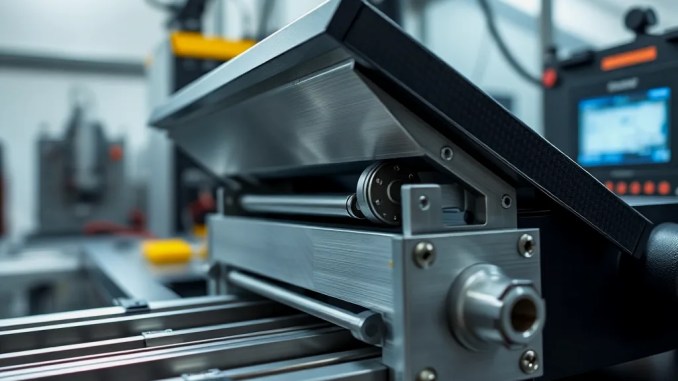
Hinge Mechanism Shows No Deformation in 100,000 Cycles
In an independent mechanical test conducted by Intertek, the cover of the Casper Excalibur G870 laptop was subjected to repeated opening and closing movements at a 110-degree angle. The test protocol included 100,000 cycles, each counted as a full opening and closing, for the device’s hinge system; stress, loosening, and deformation checks were performed at 5,000, 10,000, 20,000, 50,000, and 100,000 cycle points. The values measured at each stage revealed that the hinge mechanism showed no visual or functional deformation.
How the 100,000-Cycle Hinge Test Was Carried Out
The test used a controlled mechanical rig that repeated the open-close motion at a fixed 110° end angle. Engineers monitored hinge torque consistency, gap tolerances, and alignment after each inspection interval. Measurements included:
Step-by-step procedure
1) Baseline inspection: Visual and dimensional checks established initial tolerances and torque values.
2) Interval cycling: Machine performed repeated cycles with periodic stops at 5k, 10k, 20k, 50k and 100k for inspection.
3) Functional validation: Screen alignment, lid wobble, and resistance to unintentional opening were tested after each interval.
4) Final assessment: Comprehensive mechanical and visual evaluation confirmed absence of permanent deformation.
Why 100,000 Cycles Matters for Real-World Use
An average laptop user opens and closes their device dozens of times per week. Simulating long-term use with 100,000 cycles equates to several years of heavy everyday handling. For example, a user who opens their laptop 10 times per day would reach 100,000 cycles in about 27 years, while power users at 50 opens per day would reach it in roughly 5.5 years. These practical calculations show the test targets lifespans beyond common ownership periods, emphasizing mechanical longevity rather than just component specs.
Design and Engineering Factors Behind the Result
Durable hinges rely on material selection, precision machining, and distribution of stress across mounting points. Excalibur G870’s hinge system integrates reinforced alloy components, optimized pivot geometry to reduce concentrated stress, and robust chassis mounting that dissipates load away from delicate screen attachments. These design choices reduce wear at high-cycle counts and maintain consistent opening torque over time.
What Test Results Mean for Buyers
Buyers focused on long-term reliability gain tangible value from a hinge that preserves screen alignment and avoids wobble after extended use. Gamers and mobile professionals who frequently move and reposition their machines will notice steadier display positioning and fewer alignment issues. The lack of deformation at 100,000 cycles suggests reduced risk of hinge failure-related service needs during typical ownership periods.
Limitations and Context of Mechanical Cycle Tests
Mechanical cycle testing isolates hinge durability but does not cover all field conditions. Real-world factors such as drops, spills, thermal expansion, or improper user handling introduce different failure modes. The test assumes controlled motion and does not evaluate accidental lateral forces or impact. Still, passing a rigorous, repeated-cycle protocol strongly indicates superior hinge engineering under normal use patterns.
Independent Verification and Quality Control
Testing by an accredited lab like Intertek provides third-party validation that manufacturing tolerances and assembly processes deliver consistent hinge performance across sampled units. Regular in-line quality checks that measure torque variation and visual defects during production further ensure that the lab-tested performance scales to shipped products.
Practical Advice: Extending Hinge Life in Daily Use
Maximize hinge lifespan with small habits: open and close the lid with two hands to distribute force, avoid twisting the screen, keep hinge areas free of debris, and transport the device in a padded sleeve to minimize lateral stresses. If resistance or unusual play appears, seek inspection before extensive use to prevent accelerated wear.
Conclusion: Durable Hinge Engineering Validated
The Excalibur G870’s successful completion of 100,000 opening-closing cycles without detectable hinge deformation demonstrates a focus on mechanical durability that complements its performance specs. Independent testing, clear inspection intervals, and thoughtful hinge design combine to offer buyers greater confidence in long-term mechanical reliability.






Be the first to comment