
Overview of the attacks and affected regions
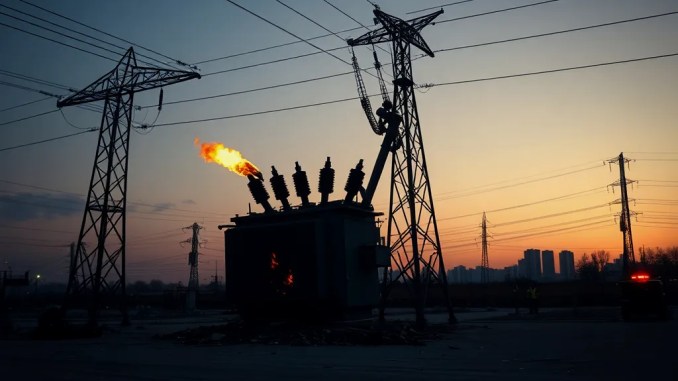
Ukrainian President Volodymyr Zelensky reported multiple coordinated strikes overnight that targeted energy and transport infrastructure across several regions. The incidents included a direct hit on a thermal power plant in Kyiv, four damaged electrical transformer substations in Dnipropetrovsk region, and attacks on railway facilities in multiple oblasts. A natural gas distribution facility in Dnipropetrovsk was also struck, contributing to broader disruptions in services.
Immediate impact on electricity and households
The strikes caused rolling outages and localized blackouts. In Dnipropetrovsk region roughly 200,000 households lost power, while in Kyiv region more than 80,000 families were left without electricity. Emergency crews prioritized restoring supply to critical services first — hospitals, water-pumping stations, and emergency response centers — while working to reconnect residential feeders where infrastructure allowed.
Damage to energy infrastructure: details and implications
Transformer substations are high-value targets because they concentrate power distribution and are time-consuming to repair. When four substations in one region are damaged, the result is not only immediate outages but also complex rerouting of feeds that can overload alternate lines. Repair timelines depend on the extent of physical destruction: replacement of transformers can take days to weeks, while damaged switchgear or control systems may be repaired within hours to days if spare parts and safe access are available.
How attacks on railway infrastructure affect logistics and civilian life
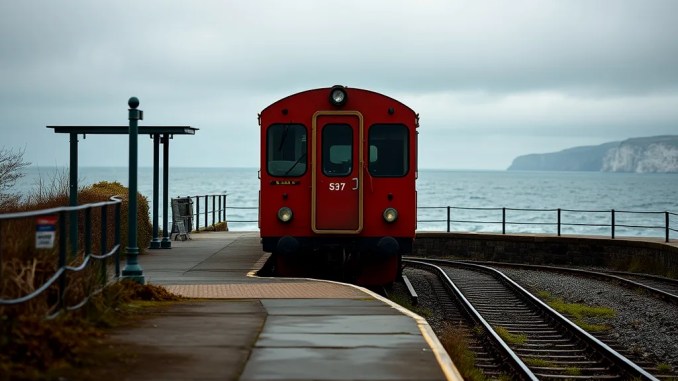
Railway damage disrupts both civilian travel and freight movement. In wartime, rail lines are vital for moving fuel, medical supplies, and humanitarian aid. Even limited track damage forces rerouting, causing delays that ripple through supply chains. Repair tasks include clearing debris, replacing ties and rails, and restoring signaling systems — each step requiring different specialist crews and safety clearances.
Gas distribution site strike: risks and containment
Strikes on gas distribution facilities carry immediate risks of fire, uncontrolled releases, and downstream service interruptions. Emergency procedures focus on isolating affected sections, depressurizing lines if safe, and activating backup supplies. Containment and inspection teams follow standardized checklists: confirm isolation points, monitor pressure and emissions, perform integrity tests on pipelines and fittings, and only then gradually restore service with close monitoring.
Prioritization of repairs and restoration steps
Restoration follows a clear technical and humanitarian prioritization:
1. Safety and containment: Assess hazards, secure gas and electrical sites, and ensure no secondary incidents can occur.
2. Critical services first: Reconnect hospitals, water treatment, emergency services, and key communications.
3. Grid reconfiguration: Use alternate feeds and temporary substations to restore maximum customers while permanent repairs proceed.
4. Permanent repair and replacement: Mobilized transformers, switchgear, rail materials, and skilled crews; coordinate logistics for large components.
5. Verification and stabilization: Test systems under load before returning full service to prevent cascading failures.
Short-term humanitarian response and civilian measures
Authorities typically activate local shelters with power, distribute generators to critical facilities, and provide information hotlines. Households are advised to conserve battery-powered devices, keep refrigerators closed to preserve food, and register with local aid centers if they need medical equipment dependent on power. Coordination with international partners often expedites delivery of specialized equipment such as mobile substations and rail repair materials.
Security, legal and diplomatic dimensions
Targeting civilian infrastructure triggers broad diplomatic responses. Governments and international bodies track damage, document incidents for possible legal action, and consider escalation measures such as additional sanctions or military assistance. Documentation involves geolocated photos, timestamps, witness statements, and technical assessments to establish cause and chain of responsibility.
What to expect next: timelines and indicators of escalation or de-escalation
Short-term restoration (hours to days) is possible for limited damage; medium-term recovery (days to weeks) applies where major components need replacement. Indicators of escalation include sustained and repeated strikes on core infrastructure, while de-escalation signs include verified ceasefires, robust humanitarian corridors, and independent inspections confirming reduced targeting of civilian systems.
Practical advice for residents and local authorities
Residents should prepare by keeping charged power banks, a multi-day water and food supply, and a list of emergency contacts. Local authorities should maintain prioritized restoration lists, preposition spare parts for critical transformers and signaling equipment, and run public information campaigns explaining expected timelines and safety measures.







Be the first to comment