
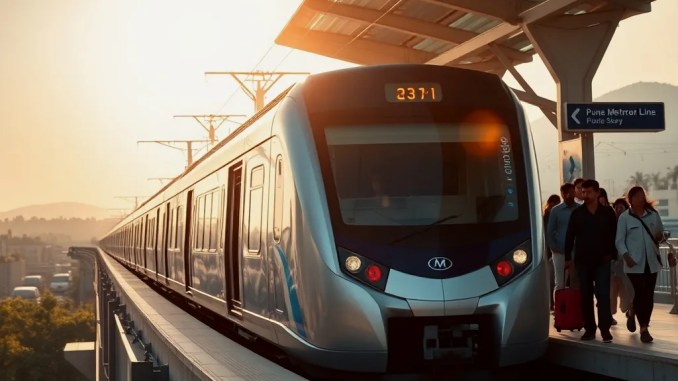
Overview of Pune Metro Line 3 and its PPP model
Pune Metro Line 3 connects Hinjawadi IT hub to Shivajinagar over 23.2 km, opening for passengers on 3 November 2026. Delivered under India’s 2017 New Metro Rail Policy through a Design-Build-Finance-Operate-Transfer (DBFOT) public–private partnership (PPP), the project is the country’s first metro launched under that PPP framework. The concession spans 35 years and bundles design, construction, financing, operations and asset transfer into a single contract to align long‑term incentives and accelerate delivery.
Why the DBFOT/PPP approach mattered for this corridor
The PPP structure enabled private capital and expertise to shoulder construction and initial operations while the public sector retained oversight and land acquisition responsibilities. A consortium led by TRIL Urban Transport and Siemens Project Ventures formed a special purpose vehicle, Pune IT City Metro Rail Limited, to execute the project. That arrangement compressed timelines, transferred certain performance risks to private parties, and tied payments to milestones and service quality — factors that helped bring the line into passenger service by 2026.
Financing, scope and cost breakdown
The overall project cost reported was INR 8,313 crore, inclusive of infrastructure relocation and land acquisition. The Prime Minister’s Office placed the combined value of the two projects inaugurated and founded at the same ceremony at about INR 21,800 crore. The Line 3 concession covers 23 stations across 23.203 km, fleet provision, depot works, CBTC signaling, electrification and passenger systems. Keolis won a 10‑year operations and maintenance contract covering the 22 trainsets, 23 stations and ticketing systems; Siemens retained a 10‑year maintenance role for electrification and signaling components.
Rolling stock, systems and performance targets
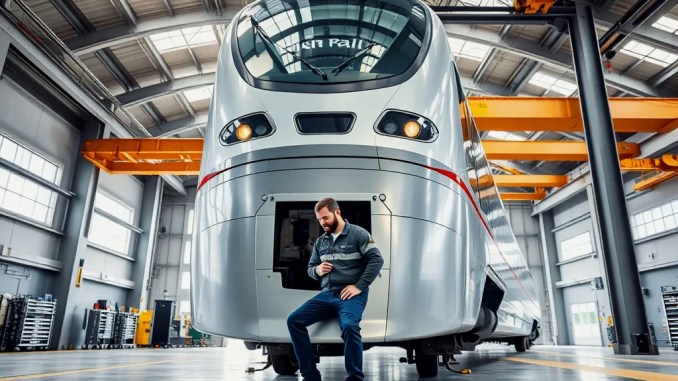
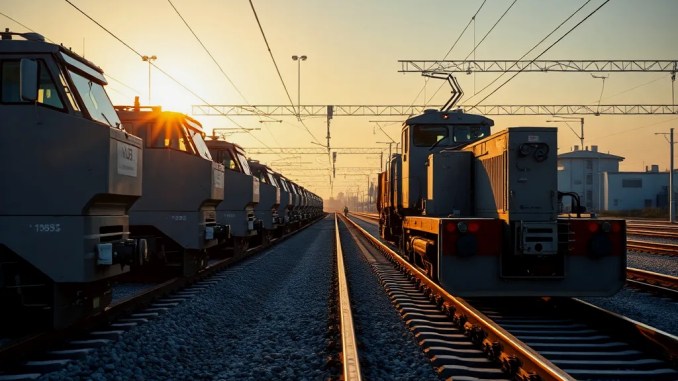
The line operates 22 Alstom Metropolis trainsets, each formed of three coaches and rated near a 1,000‑passenger crush capacity. Alstom delivered the first set in 2024 from its Sri City facility. Siemens supplied system integration elements including 750 V DC third‑rail electrification, communication‑based train control (CBTC), integrated communications and depot equipment. Together the suppliers targeted roughly a 50% reduction in travel time between Hinjawadi and Shivajinagar once full service levels are achieved — a measurable objective that factors into revenue projections and ridership modeling.
Operations model and workforce innovations
Keolis operates the line under a performance contract and has recruited and trained nearly 100 women train drivers specifically for Line 3. The Prime Minister’s Office highlighted that the line will be operated entirely by women drivers, an operational choice that improves gender representation and serves as a public‑facing commitment to inclusive employment. The concession also commits to routine asset lifecycle maintenance, periodic performance audits and data reporting to the authority.
Energy strategy and sustainability measures
The line targets supplying about 30% of its electricity from solar generation, integrating rooftop and depot solar installations to cut operating carbon intensity and energy costs. Siemens and the operations contractor coordinate energy management systems with regenerative braking and demand‑side controls to optimize grid draw. These measures reduce lifecycle operating expenditure and support local sustainability goals.
How Line 3 integrates with the wider network and future phases
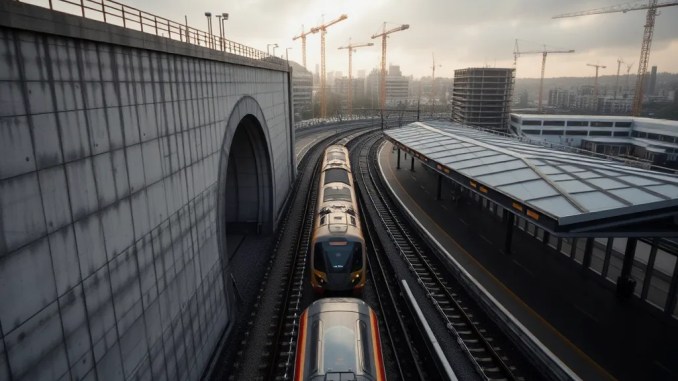
Line 3 (the Pink Line) ties into the existing Pune Metro network at Shivajinagar and other interchange points, immediately expanding east–west connectivity for commuters and IT workers. The government also launched the foundation of Phase 2, envisioned at about INR 13,500 crore, which will add corridors 2A, 2B, 4 and 4A. Phase 2 will extend coverage with planned transfer hubs at Swargate, Nal Stop and Kharadi Bypass to mesh metro services with intercity buses and existing lines, improving last‑mile integration and multimodal connectivity.
Phase 2 corridor specifics and network impact
Phase 2 includes: Vanaz–Chandani Chowk (2A) and Ramwadi–Vitthalwadi (2B) adding roughly 12.75 km to the east‑west axis; a 25.52 km 4th line between Kharadi and Khadakwasla; and a 6.12 km 4A spur between Nal Stop and Manik Baug. These additions will increase route redundancy, relieve congestion on major corridors and enable hub‑and‑spoke transit patterns that support dense development nodes and park‑and‑ride locations.
National context: India’s metro expansion to 1,200 km
The inauguration highlighted India’s rapid metro rollout: national metro network length grew from 248 km in 2014 to about 1,200 km by November 2026, and metro cities rose from 5 to 26. Maharashtra’s active metro length expanded from roughly 10–11 km in 2014 to ~175 km, with more than 680 km under construction. These figures indicate both accelerated capital deployment and a shift toward large‑scale urban rail as a backbone for city mobility strategies.
Ridership expectations, travel time savings and economic effects
Project modeling for Line 3 anticipates significant commute time reductions, modal shift from private vehicles and increased access to Pune’s IT employment clusters. With train capacity near 1,000 passengers and frequent headways under CBTC control, the line is positioned to absorb peak directional demand from Hinjawadi. Time savings, combined with farebox and non‑fare revenues (commercial leasing at stations), underpin the concession’s revenue model and contribute to broader economic productivity gains by reducing congestion and improving labor market catchment areas.
Operational risks and mitigation steps taken
Key risks included land acquisition delays, systems integration complexity, and demand shortfalls. Risk allocation in the DBFOT contract pushed construction and technical integration risks to the concessionaire, while the public authority retained land and permitting responsibilities. The concession includes performance bonds, milestone‑linked payments and contractual service levels to incentivize reliability. Regular third‑party audits and an asset management plan address lifecycle risk to rolling stock and systems.
Practical tips for passengers using Line 3 from day one
Plan trips around peak windows: the CBTC signaling allows high frequency but peak crowding will remain for early deployment phases. Use interchange stations at Shivajinagar for transfers to other metro lines and target off‑peak travel for comfortable seating. Expect integrated ticketing and station retail; Commuters should register for any smart‑card or mobile ticketing rollout to speed entry and access concession fares.
Measuring success: metrics authorities should track
To evaluate Line 3’s performance track: daily and peak ridership, on‑time performance, average trip time between Hinjawadi–Shivajinagar, energy consumption per train‑km, percentage of energy from renewables, farebox recovery ratio, and commercial revenue per station. Benchmarking these against pre‑opening targets will guide operational adjustments and future phase planning.
Conclusion: what Line 3 delivers to Pune
Pune Metro Line 3 delivers a high‑capacity, faster link between Hinjawadi and Shivajinagar through a long‑term PPP that combined private execution with public oversight. It brings operational innovation (all‑women drivers), system-level energy savings, and modular contracts for maintenance that aim to keep lifecycle costs predictable. As Phase 2 expands the network, the Pink Line’s integration and performance will materially shape commuter patterns and urban development across the region.




Be the first to comment