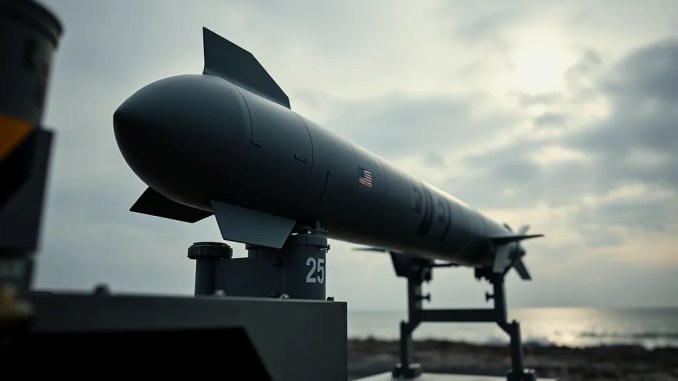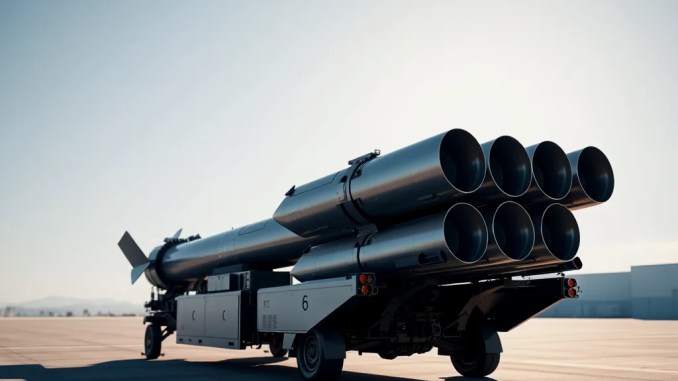
The strategic defense landscape between Greece and the United States is undergoing a rapid transformation that could redefine regional power dynamics. As US Secretary of State Anthony Blinken hints at increased military cooperation, Greek officials are pushing forward with plans to acquire cutting-edge weaponry that could turn their armed forces into a formidable force in the eastern Mediterranean. The upcoming visit of US Senator Marco Rubio to Athens stands as a pivotal moment, with defense collaboration taking center stage. Rumors swirl about the possible delivery of sophisticated missile systems, advanced fighter jets, and long-range weapons designed to elevate Greece’s military capabilities to match regional threats. ### The F-35 and F-16 Upgrades: A Game-Changer for Greek Air Power Greece, a longstanding NATO member, is set to enhance its aerial strength through the procurement of 20 F-35 stealth fighters. These aircraft, renowned for their advanced technology, will be a significant upgrade over the existing fleet, enabling Greece to operate with greater stealth, precision, and survivability. But the modernization doesn’t stop with the F-35. The Greek Air Force is also eyeing the upgrade of its F-16V fighters—transforming them into Viper standard aircraft. This transition involves integrating latest-generation radar systems, avionics, and weaponry, ensuring these fighters remain competitive against regional adversaries. ### Potential Integration of New Missile Systems The negotiations are expected to include discussions about introducing new missile systems tailored for both defensive and offensive operations. These include air-launched cruise missiles, precision-guided bombs, and advanced air-to-air missile systems. Specifically, the AGM-158B JASSM-ER (Joint Air-to-Surface Standoff Missile-Extended Range) has garnered attention, thanks to its ability to strike high-value targets from a safe distance. Given the strategic importance of deterrence, Greece seeks missile capabilities that provide both flexibility and potency, enabling rapid deployment against evolving threats. ### The Fate of the JASSM-ER and Its Delivery Timeline While the interest in AGM-158B JASSM-ER is clear, the procurement process faces hurdles rooted in technical and political considerations. The missile’s availability, production capacity, and the US Department of Defense’s own strategic needs influence its delivery schedule. Sources reveal that the timeline for the JASSM-ER’s deployment to Greece could extend up to 48 months, as the US balances its military supply chains amid global commitments. This delay doesn’t diminish Greece’s enthusiasm but underscores the complexity of international arms sales. ### Emphasizing Air Defense: AIM-120D and Beyond Greece’s pursuit of advanced air-to-air missiles reflects a broader strategy to bolster air defense capabilities. The AIM-120D AMRAAM (Advanced Medium-Range Air-to-Air Missile), with its enhanced range, agility, and targeting precision, forms a core component of this approach. Given the ongoing tensions in the region, Athens aims to equip its fighters with the latest missile technology to ensure air superiority. The AIM-120D’s compatibility with various aircraft platforms makes it a compelling choice for Greece’s evolving fleet. ### Long-term Defense Vision: The AIM-260 JATM Looking ahead, Greece maintains interest in the US Defense Department’s AIM-260 Joint Advanced Tactical Missile (JATM). This missile represents a significant leap forward, designed to outperform existing medium-range missiles like the AIM-120D. The AIM-260 employs cutting-edge radar systems, propulsion technology, and modular design to adapt to future threats. Though still in development, Greece’s focus on this system demonstrates its strategic intent to maintain cutting-edge air combat capabilities for decades. ### The Broader Context of US-Greece Defense Relations Beyond individual weapon systems, the total value of military agreements between the two nations exceeds $11 billion. These agreements include modernizing existing equipment, purchasing new platforms, and extending long-term military cooperation. Key projects involve upgrading Greece’s F-16 fleet and procuring new helicopters, which are highly valued within NATO’s strategic framework. With ongoing negotiations, the US aims to reinforce Greece’s role as a regional bulwark against instability. ### Future Implications for Regional Stability Greece’s arms acquisitions, combined with strengthened US military presence, could significantly shift regional balances. Countries like Turkey might respond with their own military upgrades, escalating an already tense environment. However, the strengthening of Greece’s military capacity under US guidance also presents an opportunity for enhanced deterrence, stability, and security cooperation in the eastern Mediterranean. ### Conclusion The upcoming US visit to Greece signifies more than a diplomatic gesture—it marks the beginning of a new chapter in regional military cooperation. As Greece prepares to modernize its aviation fleet, integrate advanced missile systems, and build resilient defenses, the balance of power in southeastern Europe teeters on the edge of transformation. Strategic choices made today by Greece and the US will resonate through future conflicts, alliances, and regional stability, emphasizing the importance of carefully navigating this critical juncture.