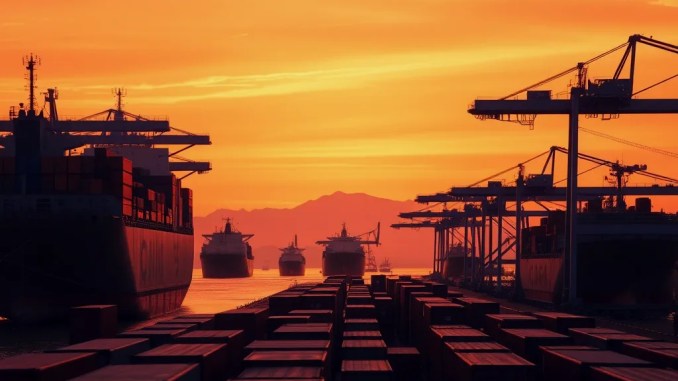
The tranquil surface of global oil markets is rapidly eroding as Iran’s once vital oil exports plummet to unprecedented lows, while China, Iran’s largest buyer, sharply reduces its oil intake amid geopolitical tensions and shifting supplier priorities. This dual crisis signals a significant upheaval in supply chains, prompting traders, producers, and policymakers to scramble for alternatives. What does this mean for future oil prices, energy security, and the geopolitical landscape? Let’s delve into the details.
Iran’s Oil Exports Dwindle to Historic Lows
Iran, a pivotal player in the Middle Eastern energy drama, has seen its oil exports drop dramatically. Once exporting daily over 1.8 million barrels, current figures hover around 250,000 barrels—less than a tenth of previous levels. This drastic reduction stems from increased US sanctions, maritime deterrence efforts, and internal disruptions. Iran’s strategic use of floating storage tanks, which peaked at 160 million barrels earlier this year, initially buffered the impact of export restrictions. However, as these stocks diminish, Iran’s ability to maintain supplies to key markets wanes. This scenario compels importing nations and refineries to seek alternative sources, shifting global supply dynamics. Key points include: – Severe decline in exports: From a peak of over 1.8 million barrels/day to about 250,000 barrels/day. – Floating storage reliance: Temporarily masked export decline but now shrinking. – Impacted markets: Mainly China, India, and Southeast Asia.
China’s Oil Demand Shrinks as Imports Drop
China, the world’s largest oil importer, has significantly scaled back its purchases from Iran. Despite previously importing around 1.4 million barrels daily from Iran, recent data shows this has halved to approximately 475,000 barrels per day in September. This decline is not solely due to Iran’s export restrictions but also reflects China’s strategic pivot towards alternative suppliers—most notably Russia, West Africa, and South America. Chinese refineries, in pursuit of competitive pricing and diversification, now increasingly source crude from these regions. Impacts on China’s oil imports: – Shift in supplier sources: Increased imports from Brazil, Guyana, and Russia. – Flexible import quotas: Chinese authorities have expanded import quotas to accommodate rising demand for higher variety and volume. – Price dynamics: The price gap between Russian ESPO crude and Brent widened, incentivizing more Russian imports.
Global Supply Chains Reconfigure Amid Sanctions and Strategic Moves
The confluence of Iran’s export reductions and China’s demand shift has triggered a supply tightness reminiscent of supply shocks in the 2014-2018 period. Oil traders now watch the Hormuz Strait closely, where Iran’s potential to disrupt shipping poses a looming threat. Meanwhile, Russia capitalizes on the opportunity to fill the void left by Iran. Its strengthened ties with China and India enable it to maintain robust exports, despite Western sanctions. The result? An increasingly complex web of supply routes, with some shipments rerouted through less conventional paths to bypass sanctions. For example: – Use of gray and black ships to shadow sanctioned tankers. – Diversification of export routes through Africa and Southeast Asia. – Increased reliance on floating storage and strategic reserves.
Implications for Future Oil Prices and Markets
Market analysts predict that these shifts will lead to sustained high oil prices, with volatility likely to increase. The potential for accidental or intentional disruptions in key bottlenecks like the Strait of Hormuz exacerbates uncertainty. – Supply deficits may persist if Iran’s exports remain curtailed. – Chinese demand fluctuations can cause volatile price swings. – Ongoing US sanctions and geopolitical tensions continue to influence the stability of supply sources. Moreover, increased reliance on alternative suppliers and storage strategies could lead to a more unpredictable supply landscape, challenging traditional forecasts and prompting strategic stockpiling by consuming nations.
Conclusion: A Tipping Point for Global Oil Markets
Iran’s export collapse and China’s demand shifting mark a critical juncture in global energy markets. As supply tightens and new routes become more prominent, stakeholders must assess risks continually. The coming months may redefine the balance of power among major producers, consumers, and geopolitical actors, making resilience and diversification the new watchwords in energy planning. Preparing for a New Normal involves investing in strategic reserves, diversifying supply sources, and advancing renewable energy initiatives to reduce dependence on volatile fossil fuel markets. FAQs: – *Will Iran recover its export capacity anytime soon?* — Geopolitical negotiations and sanctions relief could improve Iran’s exports, but current tensions suggest a prolonged downturn. – *How are Chinese import reductions affecting global oil prices?* — Decreased Chinese demand temporarily suppresses prices but overall market tightness supports higher prices amid supply concerns. – *Can alternative routes fully replace Iran’s lost exports?* — Not entirely; While they mitigate some shortages, capacity limits and geopolitical risks restrict full substitution. This turbulent period underscores the importance of flexibility and strategic foresight in navigating the evolving oil market landscape.