
Alleged 30-Unit Z-10ME Export Contract Surfaces
Chinese social media accounts shared an image claiming a July export contract between the China National Aviation Technology Import & Export Corporation (CATIC) and Pakistan’s defense procurement body covers 30 Z-10ME attack helicopters. The post, attributed to a Chinese military blogger on 8 November 2026, states the agreement includes not only airframes but also support products and services. Independent verification of the graphic and its details has not been published.
Why the Contract Date and Signatory Name Raise Doubts
The graphic omits the contract year and uses Pakistan’s former ministry name rather than its June 2026 successor organization. Pakistan converted its Defense Production Ministry into the Defense Industry Production and Regulation Authority in June 2026, so the presence of the old entity name may indicate an earlier document or a simplification on social media. That inconsistency prevents a definitive timeline for signature, delivery schedule, or payment terms.
How Reliable Is the Social Media Claim?
Major outlets covering the claim report they could not independently confirm the image. Neither CATIC nor AVIC (Aviation Industry Corp. of China) published statements in response to media inquiries. Without corroboration from official Pakistani or Chinese procurement releases, the claim remains unverified. Historical precedent shows such leaks and images occasionally appear before formal announcements, but they can also be inaccurate or premature.
Context: Pakistan’s Search for Attack Helicopters
Pakistan has explored several attack helicopter options over recent years. Past procurement attempts included US-made AH-1Z Viper and Turkey’s T129 ATAK, both stalled by export-control or political barriers. Pakistan still operates aging AH-1F Cobras (in service for roughly 40 years) and a limited number of Russian Mi-35/Hind helicopters, creating a capability gap that Islamabad has tried to fill.
What the Z-10ME Would Bring to Pakistan’s Fleet
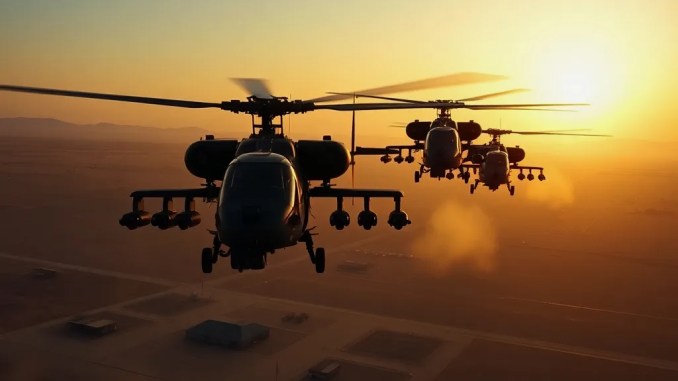
The Z-10ME is a modern, roughly 6-ton-class dedicated attack helicopter optimized for anti-armor and close air support roles. If 30 airframes and associated logistics support enter service, Pakistan would significantly refresh its attack-helicopter inventory, gaining updated sensors, weapons integration, and potentially broader sortie-generation capacity. Exact configurations (targeting pods, air-to-ground missile types, electronic countermeasures) would determine operational impact.
Possible Delivery, Cost and Integration Challenges
Even a signed export contract faces practical hurdles: export licensing, final configuration agreement, training, spare-parts pipelines, and maintenance infrastructure. Integration into Pakistan Army Aviation requires pilot conversion training, ground crew familiarization, parts depots, and a sustainment contract. Delivery timelines for a 30-unit lot typically span years and may phase aircraft with initial combat-capable batches followed by serial deliveries. Cost components include airframe price, weapons, flight-hour support, simulators, and local industrial participation if included.
How This Fits Regional Security and Procurement Patterns
Pakistan’s diversification toward Chinese platforms aligns with prior procurements across naval, land and air domains. Beijing has progressively become a primary supplier for Islamabad where Western export restrictions hindered purchases. A confirmed Z-10ME sale would emphasize China’s role in providing advanced rotary-wing capabilities where alternatives were politically constrained.
What to Watch for Next: Verification Signals
Look for several concrete signals that would move the claim from rumor to confirmed deal:
Official contract notices: announcements from Pakistan’s defense procurement authority or Pakistan Army Aviation detailing numbers, timelines and contracted suppliers.
Export license filings: Chinese export control or CATIC public disclosures or financial statements referencing major defense exports.
Delivery evidence: imagery or videos of Z-10ME airframes in Pakistan markings, arrival of transport aircraft, or crew training operations abroad.
Budget line items: Pakistani defense budget entries allocating funds for helicopter acquisition, sustainment, or infrastructure tied to the program.
Short-Term and Long-Term Implications
Short term: If later confirmed, an initial tranche would provide near-term capability improvements but require intensive training and logistics setup. Short-term ambiguity preserves strategic flexibility for both capitals.
Long term: A full 30-unit program would reshape Pakistan Army Aviation’s modernization trajectory, reduce reliance on legacy Cobras, and signal deeper operational interoperability with Chinese hardware and doctrine. Long-term sustainability agreements and local maintenance capacity will determine the program’s operational success.







Be the first to comment