
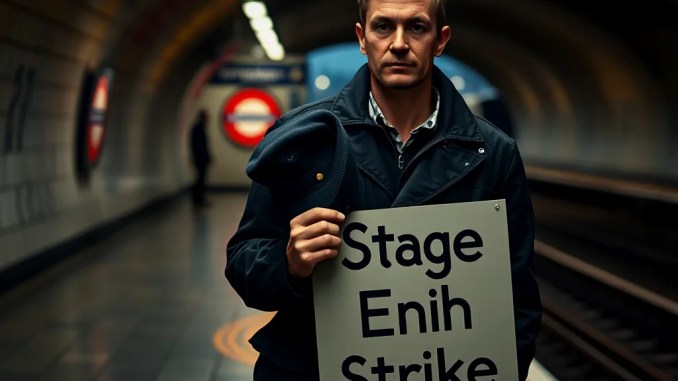
Strike schedule and immediate passenger impact
The RMT union will run eight separate 24‑hour strikes between 26 November 2026 and 26 February 2027. Each stoppage begins at 12:00 and ends 24 hours later, which means services on the start and end dates will face major disruption for full daytime service periods. The announced dates concentrate pressure around December’s peak travel period and spread additional disruption through January and February, forcing passengers and businesses to plan for repeated short‑term interruptions rather than a single long outage.
Practical effects for commuters and operators: station closures, fewer trains on key lines, and longer waits during weekday mid-day peaks when many strikes start. TfL will likely run a reduced service, reallocate staff and increase customer communications on affected days. Travelers should expect altered timetables, replacement buses, and higher demand on alternative services such as Elizabeth Line and Overground, which previously saw ridership rises during earlier RMT action.
Exact dates of the eight 24‑hour actions
Union timetable (start — finish, all at 12:00):
1) 26 Nov 2026 (Thu) 12:00 — 27 Nov 2026 (Fri) 12:00
2) 17 Dec 2026 (Thu) 12:00 — 18 Dec 2026 (Fri) 12:00
3) 19 Dec 2026 (Sat) 12:00 — 20 Dec 2026 (Sun) 12:00
4) 4 Jan 2027 (Mon) 12:00 — 5 Jan 2027 (Tue) 12:00
5) 6 Jan 2027 (Wed) 12:00 — 7 Jan 2027 (Thu) 12:00
6) 17 Feb 2027 (Wed) 12:00 — 18 Feb 2027 (Thu) 12:00
7) 23 Feb 2027 (Tue) 12:00 — 24 Feb 2027 (Wed) 12:00
8) 25 Feb 2027 (Thu) 12:00 — 26 Feb 2027 (Fri) 12:00
Why RMT rejects the four‑day week proposal
RMT frames its opposition around concrete operational and contractual changes, not the concept of fewer working days The union argues that the proposed ‘four‑day’ model under TfL’s Train Modernization Framework risks intensified shift patterns, longer daily driving times, and erosion of existing protections. Specific concerns RMT raises:
– Intensification of individual shifts: drivers may face longer single shifts or earlier starts and later finishes even if total days are fewer.
– Loss of depot protections: staff could be moved between depots or into a flexible pool, disrupting home shift allocations and local working arrangements.
– Rapid roster churn and reduced notice: short‑term schedule changes could increase fatigue and planning difficulty for staff.
RMT also cites modeling on the Bakerloo line that, in the union’s view, indicates material job reductions under the new rosters. The union demands explicit, written guarantees that existing staff will retain depot allocations and terms before any change proceeds.
How TfL describes the scheme and why it says the model is voluntary
TfL insists the scheme is optional and that drivers may remain on five‑day rosters if they prefer. TfL’s stated approach includes a pilot on the Bakerloo line and assurances that colleagues who do not opt in can keep current working arrangements. TfL spokespeople have repeatedly highlighted the voluntary nature of participation, arguing the change aims to provide flexible working choices and operational resilience rather than compulsive change.
What to watch in communications from TfL: final terms of the pilot, any time limits on remaining in five‑day patterns, written depot‑stay commitments, and whether voluntary uptake targets are linked to operational redesigns that could indirectly force change.
Evidence from April 2026 strikes: ridership shifts and substitution effects
Data from RMT’s April 2026 stoppages shows large falls in Tube ridership and material substitution onto other services. TfL reported London Underground patronage down between 31% and 48% on the four strike days, while its wider network fell between 6% and 14%. The Elizabeth Line and Overground recorded ridership increases on some strike days, illustrating passenger re‑routing behaviour.
Key datapoints (April 2026 strike days):
21 April — TfL network -13%, Underground -42%, Elizabeth +1%, Overground -8.
22 April — TfL network -14%, Underground -48%, Elizabeth +11%, Overground +6.
23 April — TfL network -14%, Underground -42%, Elizabeth +10%, Overground -1.
24 April — TfL network -6%, Underground -31%, Elizabeth +23%, Overground +9.
These figures show that striking action depresses Tube demand far more than the wider public transport network and that capacity on alternative lines can absorb some displaced passengers—often with crowding and reliability consequences.
How commuters and employers should plan for repeated 24‑hour stoppages
Prepare in four practical steps:
1) Map critical journeys to alternative routes: identify which lines and interchange stations you can realistically use if the Tube is affected. Bookmark replacement bus routes and check Elizabeth Line/Overground capacity on strike dates.
2) Stagger start/finish times where possible: employers can reduce commuter stress by allowing flexible hours around the 12:00 strike window — either earlier starts or later remote work on strike days.
3) Buy seasonal tickets and refunds knowledge: check TfL refund policies and short‑term travelcards; some passes or employer schemes may include strike contingency rules.
4) Communicate proactively: teams should publish travel‑plan led calendars that flag strike days well ahead and include contingency instructions for meetings and client visits.
Negotiation levers and likely next steps in the dispute
Both sides retain strategic options that could end or escalate the dispute. RMT can extend action or ballot further groups, while TfL can table written depot‑guarantees, phased pilots with formal safeguards, or use targeted incentives to increase voluntary sign‑up. A likely de‑escalation path requires:
– Clear written guarantees on depot retention and redundancy protection,
– A time‑limited pilot with independent fatigue and roster reviews,
– A binding dispute resolution timetable including rapid arbitration.
Absent those concessions, expect periodic 24‑hour stoppages designed to keep public pressure high while limiting the duration of each day’s disruption.
What the April data implies about the new timetable’s operational risk
April strike outcomes demonstrate two operational truths. First, Tube dependence remains high for central London trips, so repeated targeted stoppages will have outsized economic effects disproportionate to their length. Second, substitution onto other rail assets can partially compensate but introduces crowding and knock‑on delays. That dynamic creates bargaining leverage for the union: relatively short, well-timed strikes force visible passenger impact while containing long-term economic cost compared with prolonged wholesale shutdowns.
Operators should therefore quantify substitution capacity, adjust staffing on alternative lines in strike windows, and use transparent modeling to show how proposed roster changes map to network resilience and safety outcomes.
Bottom line for passengers, staff and the city
Passengers will face multiple short, high-impact strike days over a three-month period; Staff face an uncertain choice between current protections and a voluntary model that the union fears will be used to restructure roles. Rapid, clear, written guarantees from TfL that address depot protection, redundancy risk and roster change notice periods could defuse action, but without such concessions the RMT has signaled a sustained campaign of targeted 24‑hour stoppages.



Be the first to comment