

Greece finalizes contract for three KC-390 Millennium transports
Greece has contracted for three Embraer KC-390 Millennium military transport aircraft, with an option to acquire an additional three aircraft. The Greek Ministry of Defense activated the government-to-government agreement signed with Portugal on 2 November 2026 and formalized procurement to strengthen national airlift and aerial refueling capabilities. The first KC-390 is scheduled for delivery to the Hellenic Air Force in 2027.
What this procurement delivers and why it matters
The KC-390 brings combined heavy airlift and tactical air-refueling capability in a single platform. Greece will use the type to move troops, equipment and humanitarian cargo across theater distances, while the tanker role will enable extended fighter patrols and rapid cross-border response.
Operational impacts include:
1. Improved strategic mobility — The KC-390’s payload, range and runway performance let Greece carry outsized loads directly to forward airfields without relying on allied lift in many scenarios.
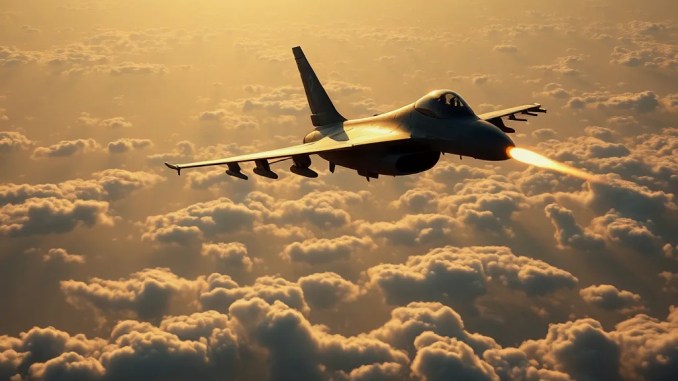
2. Organic aerial refueling — For the first time the Hellenic Air Force will possess an indigenous tanker capability to sustain fighters and extend sortie times, initially supporting Rafale and Mirage, with F-16 integration planned about one year later.
3. Interoperability with NATO partners — The aircraft’s proven compatibility with allied refueling procedures and transport standards will simplify joint operations and exercises.
Embraer’s statement and commercial context
Embraer Defense & Security’s CEO emphasized that Greece’s choice underlines NATO members’ confidence in the KC-390 family. The manufacturer highlighted operational reliability, life-cycle cost advantages and mission flexibility as key selling points. Across Europe, Greece becomes the seventh KC-390 operator after Portugal, Hungary, the Netherlands, Austria, the Czech Republic and Sweden, augmenting a global operator list that includes Brazil, South Korea, Uzbekistan, the UAE and Colombia.
Training, logistics and support arrangements
The procurement package includes training, technical support and logistics coordination leveraging European partnerships. Typical implementation steps for such a program include:
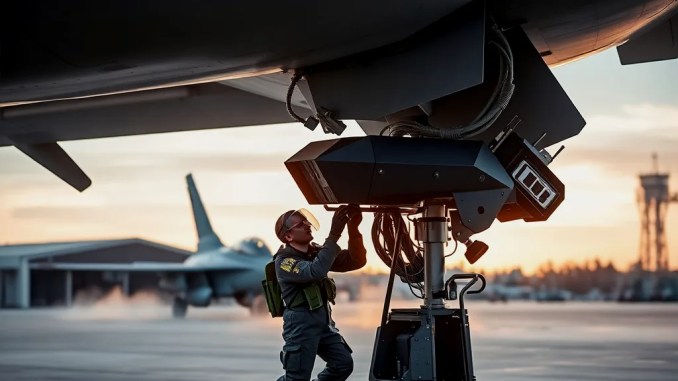
1. Initial crew and maintenance training — Instructor-led and simulator-based courses for aircrew and ground crews to reach operational conversion standards.
2. Supply chain and spare parts provisioning — Establishment of forward stock, repair logistics and contractual support levels (eg, guaranteed availability rates and response times).
3. Certification and integration — Flight test and certification for refueling procedures with domestic fighters, adaptation of ground infrastructure and airworthiness approvals.
How Greece will phase in tanker operations
The Ministry of Defense and aircraft manufacturer will follow a phased timeline to bring aerial refueling online:
Phase 1 — Delivery and aircrew conversion (Year 1): Receive first KC-390, complete pilot and boom/drogue operator training, and perform basic transport missions to validate systems.
Phase 2 — Fighter coupling tests (months 6–12): Conduct instrumented refueling trials with Rafale and Mirage jets to certify safe refueling procedures and doctrine.
Phase 3 — F-16 integration (around month 12 onward): Calibrate procedures and interfaces for F-16 compatibility, including software updates or hose/boom adjustments if required.
Operational examples and scenarios
Realistic mission profiles that Greece can now perform include:
Rapid reinforcement: Move a mechanized company and associated supplies to a regional forward base using the KC-390’s roll-on/roll-off capability and tactical airfield performance.
Maritime patrol support: Reposition airborne early warning assets and sustain maritime strike aircraft on extended patrols across the Aegean and eastern Mediterranean.
Humanitarian and disaster relief: Deliver bulk relief supplies and medical teams into austere airfields immediately after natural disasters without waiting for allied lift assets.
Strategic implications for regional security
Adding organic transport and refueling capability increases Greece’s operational autonomy, shortens reaction times and raises the endurance of air operations. This procurement also signals to NATO and regional partners a commitment to shared readiness and interoperability, while providing a platform for multinational training and logistics cooperation in Europe.
Key technical and support considerations
Decision-makers will monitor and manage:
Maintenance infrastructure — Establishing depot-level maintenance capacity or arranging regional repair partnerships.
Life-cycle costs — Tracking total operating costs including fuel burn, part replacement rates and avionics upgrades over the fleet’s service life.
Training throughput — Maintaining steady streams of trained aircrew and maintainers to avoid capability gaps as mission tempo rises.
What to expect next
Expect schedule updates on the first delivery, followed by structured reports on training milestones, refueling certification events and any activation of the optional three-aircraft purchase. Ministries and Embraer will likely publish milestones as they meet flight-test and operational-readiness targets.
Relevant quick facts
Contracted quantity: 3 KC-390 with option for 3 additional units.
Target initial delivery: 2027.
Initial tanker beneficiaries: Rafale and Mirage; F-16 integration about one year later.
European KC-390 operators: Portugal, Hungary, Netherlands, Austria, Czech Republic, Sweden, Greece.





Be the first to comment