
Overview of the Program and Its Goals
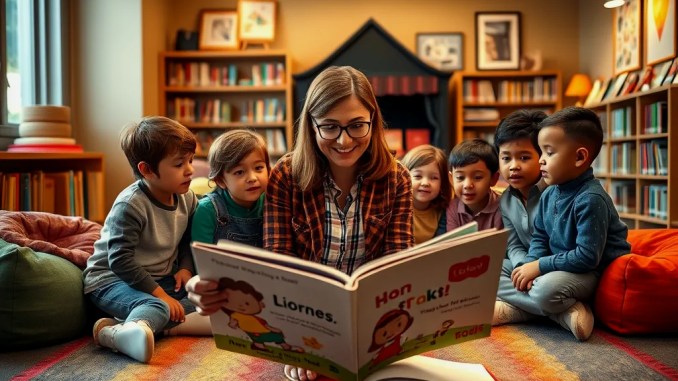
Ankara Metropolitan Municipality runs the “Young Minds in the Library” program to introduce primary school children to books, reading routines, and how to use a library space effectively. The program convenes every Friday at the 100. Yıl Youth Library in Kızılay, welcoming one class from applied schools for a two‑hour, activity‑based visit. The municipal Social Services Department organizes, staffs, and supplies the sessions so students receive a meaningful, structured library experience.
What a Typical Two-Hour Session Looks Like
Each Friday session runs from 10:00 to 12:00 and follows a clear, repeatable flow designed to build familiarity and confidence in the library environment:
Arrival & orientation (10:00–10:15): Staff greets the class, explains simple library rules, and shows key areas such as children’s shelves, reading corners, and activity tables.
Shared storytelling or short educational film (10:15–10:35): Sessions often begin with a short animated film or a read‑aloud tied to national history or universal themes; Recent programming included an animation about Mustafa Kemal Atatürk and Turkey’s independence struggle to spark discussion and contextual learning.
Guided reading and paired reading (10:35–11:10): Children select books from curated, age‑appropriate selections and read individually or in pairs. Staff use prompting questions and quick comprehension checks to boost engagement and emergent literacy skills.
Creative activity and reflection (11:10–11:40): Activities such as themed coloring, role play, or drawing encourage expression and connect the reading material to hands-on practice. Teachers and librarians circulate giving, focused praise and modeling how to choose books based on interest.
Wrap‑up & book gifting (11:40–12:00): The session ends with a brief group sharing and distribution of gifted books from a set of world classics chosen for the children’s age group, reinforcing the value of taking books into their daily lives.
Why Early Library Exposure Matters — Evidence and Practical Effects
Research and practice converge on the same point: repeated, structured exposure to books and libraries between ages 6 and 9 improves reading fluency, vocabulary growth, and positive attitudes toward reading. By combining multimedia introduction, group reading, and tangible takeaways, the program targets multiple pathways that support literacy:
Cognitive gains: Regular short reading sessions strengthen attention span and decoding skills through scaffolded practice.
Motivational gains: Gifted books and social reading experiences boost intrinsic motivation — children who feel ownership of a book reading more voluntarily at home.
Library skill gains: Hands‑on orientation demystifies catalog browsing and fosters independence in finding books.
Concrete Outcomes from Recent Visits
Examples from recent rotations highlight measurable and observable outcomes: a third‑grade class from Çankaya Akşemsettin Primary School watched the historical animation, read together, completed themed coloring, and each child left with a world classic. Teachers reported increased willingness to choose books independently in class libraries the following week; librarians noted improved question‑asking about authors and topics during subsequent visits.
How Schools Can Apply — Step‑by‑Step
Schools that want to participate follow a simple online process, which minimizes administrative overhead and guarantees transparent scheduling:
1. Visit the application portal: Go to marjoradegenczihinler.ankara.bel.tr and open the registration form for school visits.
2. Complete class details: Provide school name, grade, number of students, preferred Fridays, and a contact teacher.
3. Await confirmation: The Social Services team reviews availability and confirms a date with logistical instructions (drop‑off, pick‑up, and any teacher materials to bring).
4. Prepare students: Teachers receive a short pre-visit checklist with suggested questions to prime curiosity and a one-page list of rules to practice beforehand.
5. Attend and follow up: After the visit, schools are encouraged to use return‑to‑class prompts the librarians provide, such as a recommended reading list and a simple book journal activity to maintain momentum.
Program Management and Contacts
The program runs under the Ankara Metropolitan Municipality Social Services Department. A named social services specialist, Irem Büşra Çelik, coordinates sessions and emphasizes continuity year to year. Schools can direct administrative questions and booking clarifications to the contact information provided on the application portal.
Practical Tips for Teachers to Maximize Impact
Teachers who prepare students with short, focused pre‑visit activities see higher engagement during library time. Try these practical tips:
• Pre‑visit micro‑lesson (10 minutes): Ask each student to name one book they like and one question they have about libraries.
• Pair reading roles: Assign “reader” and “illustrator” roles during group reading to keep children active and accountable.
• Post‑visit follow‑up (15 minutes): Use the gifted book for a week‑long classroom share, where one student reads a short passage each day.
How This Program Fits into Wider Literacy Efforts
The “Young Minds in the Library” initiative complements school curricula by providing experiential literacy practice outside the classroom, reinforcing national reading goals and supporting equity: by offering free, structured library exposure, the municipality barriers reduce for children who lack books at home and builds community literacy infrastructure over time.
How to Track Progress and Measure Success
Local implementers can use simple, repeatable indicators to measure the program’s effect:
• Short pre/post attitude surveys: Two‑question student survey on “I like reading” and “I know how to find a book in a library” administered before the first visit and after three visits.
• Teacher feedback forms: One‑page reports on observed changes in voluntary reading or independent book selection in class libraries.
• Participation metrics: Number of visiting classes per month and the frequency of repeat visits from the same schools.








Be the first to comment