
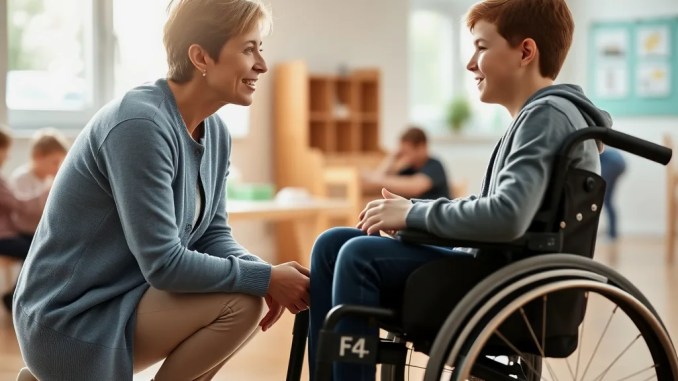
Ankara Metropolitan Municipality operates the Kuşcağız Disability Lokali and its accompanying Mola Evi in Keçiören to help people with disabilities participate more fully in social life. The centers provide free weekday services for ages 14–45 at the Disabled Lokali and tailored care for children ages 3–6 at the Mola Evi. Both facilities combine structured skill-building programs with social activities designed to increase independence and community connection.
Services Offered: What participants can expect
The Lokali runs regular courses and physical programs: arts and crafts, step aerobics, table tennis, adaptive sports, and everyday living skills training. Staff design sessions around individual capabilities, using small-group formats and one-on-one coaching when required. The Mola Evi provides supervised daytime care for 3–6 year olds with special needs, offering sensory play, language-stimulation activities, fine-motor exercises, and routine-based support that helps children develop predictable daily rhythms.
How programs build capacity: methods and examples
Programs combine practical skill practice with repeated, measurable steps. For example, a daily living module breaks tasks into sequenced steps — visual cue, demonstration, guided practice, independent attempt — and records progress with simple checklists. A participant learning table tennis follows progressive drills: racket grip and stance → controlled ball bounce → forehand basics → controlled rallying. Staff track attendance, skill checklists, and short-term goals to measure improvement and plan follow-up activities.
Social activities that reinforce learning
Beyond classes, the centers organize picnics, excursions, and cinema outings to generalize skills to real-world settings. These trips serve dual purposes: they let participants apply social and mobility skills in novel environments, and they create natural contexts for caregivers to observe progress. For example, a supervised picnic tests public-transport boarding, snack routines, and peer interaction in one structured outing.
Mola Evi: practical respite for families
The Mola Evi gives caregivers reliable, safe blocks of time to handle appointments, work, or rest. Children engage in age-appropriate group play and therapeutic activities led by trained staff. Families report that routines at the Mola Evi reduce disruptive transitions at home and allow caregivers to maintain employment or manage daily tasks with less stress.
Participant and family experiences: specific feedback
Local families note noticeable change: improved social interaction, faster adaptation to group routines, and increased willingness to try new activities. One parent described weekly attendance as key to their child’s growing independence; Another highlighted that consistent staff routines made drop-off easier and reduced separation anxiety. These concrete outcomes—attendance, routine compliance, and willingness to join group play—serve as measurable indicators of program success.
How to apply and practical details
Services operate weekdays 09:00–17:00 and are free. Registration and appointments are handled online for faster processing: to register for Disabled Lokali use bilgilokali.ankara.bel.tr/uyekaydi; for Mola Evi appointments use molaevleri.ankara.bel.tr/randevual. The facility address and contact numbers are clearly posted for in-person verification or phone-based queries.
Location and contact information
Address: Kuşcağız Mahallesi, Sanatorium Caddesi No: 263, D Blok, Keçiören/Ankara
Phone: 0312 380 03 29 — 0312 381 28 30
Who manages the services and how they coordinate care
The Disabled and Elderly Services Department oversees programming; a Social Services Specialist coordinates assessments and family outreach. Local site managers handle day-to-day scheduling and program delivery. This two-tier coordination ensures city-level standards while allowing site staff to tailor activities to participant needs. Waiting lists and individual assessments guide placement and timescale for program entry.
Why these centers matter locally: measurable benefits
Centers increase community inclusion by offering structured training, social experiences, and caregiver respite with documented attendance and progress monitoring. Measurable benefits include improved routine adherence, expanded social networks for participants, reduced caregiver strain through predictable respite, and observable skill gains recorded by staff checklists and family reports.









Be the first to comment