
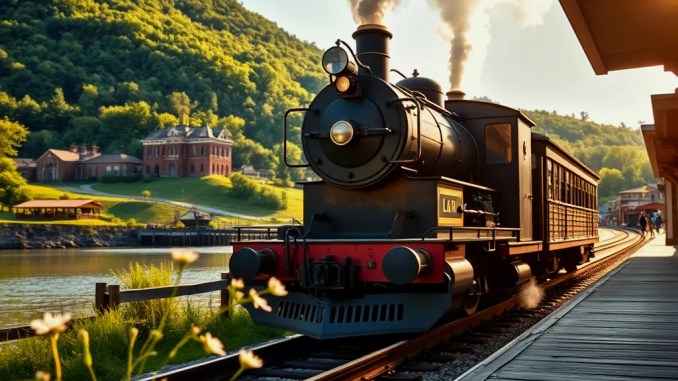
Jim Thorpe tourist trains return to downtown after retaining wall failure
Reading & Northern Railroad resumed weekend passenger service into Jim Thorpe on Nov. 14–15, 2026, restoring direct train access that had been suspended when a retaining wall supporting US 209 collapsed and threatened the adjacent rail corridor. The railroad reinstated scheduled round-trip runs from Reading, Pittston and Pottsville, ending the temporary practice of transferring passengers to shuttle buses to reach the borough’s historic center.
How the restored schedule works and what passengers experienced
The restored schedule used classic F-unit diesel locomotives and staggered departure times so riders could choose the most convenient origin:
Reading departures: depart 09:30, arrive Jim Thorpe 12:05; return depart 16:20.
Pittston departures: depart 08:45, arrive Jim Thorpe 11:05.
Pottsville departures: depart 08:30, arrive Jim Thorpe 11:00.
Standard coach round-trip fares began at $49. Rolling stock varied by origin, and on-board narration and fall foliage views remained focal points. Restoring rail access removed an intermodal transfer step—passengers who previously disembarked for bus shuttles now complete the full rail journey to Main Street.
What caused the closure: US 209 retaining wall collapse and immediate risks
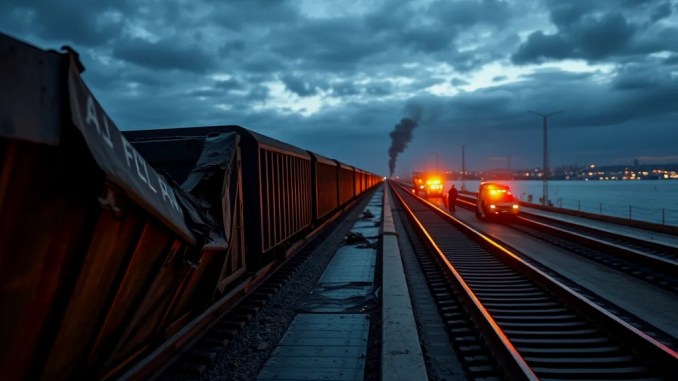
On Oct. 31, 2026, a retaining wall that supports US 209 between Jim Thorpe and Nesquehoning failed, undermining both the highway and the adjacent railroad bed. PennDOT determined the highway foundation had suffered significant loss of support and closed the roadway and the rail line as a safety precaution. The dual closure reflected the proximity of the two corridors and the risk of progressive slope movement or material drop onto tracks and vehicles.
Emergency repairs taken and the sequence of restoration
Contractor JD Eckman Inc. Emergency stabilization work began on Nov. 1. Crews followed a prioritized sequence that protected rail service first while planning a longer project to fully reopen the highway:
Step 1 — Immediate slope stabilization: install wire mesh, apply shotcrete (sprayed concrete) and place rockfall fencing to prevent further dislodgement of material.
Step 2 — Rock and debris removal: clear collapsed material to regain working room near track and pavement.
Step 3 — Rock anchors and structural reinforcement: drill and grout anchors into competent bedrock to tie the slope face back to stable layers.
Step 4 — Railbed assessment and repairs: inspect ballast, subgrade and ties; Replace or reinforce track sections so passenger trains can run safely before reopening the highway.
By completing Steps 1–4 on a schedule that prioritized rail safety, crews permitted Reading & Northern to resume passenger runs while heavy highway reconstruction proceeded.
Why the highway reopening will take weeks, not days
PennDOT’s Nov. 10 statement estimated six to eight additional weeks for the US 209 repairs beyond that date. That timetable reflects multiple tasks that require sequential, engineered work: reconstructing the retaining wall; re-establishing and compacting the road embankment; restoring drainage and cut-slope revegetation or erosion controls; and performing geotechnical monitoring to confirm slope stability. Field conditions, weather and unforeseen subsurface complications can extend the schedule, which is why agencies route traffic along Route 443 and Route 309 while the 903–93 segment remains closed.
How the incident affected other tourist operations and visitor patterns
Reading & Northern’s Lehigh Gorge Scenic Railway moved some departures to a temporary Nesquehoning boarding point starting Nov. 2. That change forced timetable reversals—trains entered the scenic corridor from the opposite direction—so some 45-minute outings stretched to 70 minutes to accommodate safe passenger exchanges and turnaround. Restoring Jim Thorpe service influences visitor distribution in three ways:
1) It restores direct access to Jim Thorpe’s Main Street businesses, increasing footfall for local restaurants, museums and shops. 2) It reduces passenger transfers and dwell-time at temporary shuttle hubs, improving the rider experience. 3) It allows the scenic railway to reallocate equipment and crews more flexibly across both Jim Thorpe and Lehigh Gorge operations.
Practical advice for travelers and examples of what to check before you go
Travelers planning visits should confirm three items before departure:
1) Current departure point: Special events or maintenance can change stations; check the railroad’s up-to-date announcements.
2) Boarding time and seat class: earlier arrivals avoid congestion; premium or dome seating may sell out on peak foliage weekends.
3) Road access and detours if driving: if you plan to drive to a station, follow PennDOT detour guidance via Route 443 or Route 309 and allow extra time for slower, longer routes.
Example scenario: a family driving from Allentown should route via Route 309 to avoid the 903–93 closed segment, add 25–40 minutes to normal travel time depending on traffic, and confirm train boarding point the morning of travel.
Safety oversight, inspection steps and how agencies certified rail readiness
PennDOT and the railroad coordinated a safety certification sequence before restoring passenger runs. Key inspection activities included track geometry measurements, tie and fastening checks, ballast compaction tests, and a staged proof run with trackside monitoring for settlement or track movement under load. The staged approach gives engineers time to observe performance and to halt service if signs of instability appear.
Local economic impacts and short-term outlook
Jim Thorpe’s downtown depends heavily on weekend tourist traffic during foliage season. Restored rail service immediately boosts merchant revenue by bringing passengers directly into town for lunch, museum visits and shopping. Longer-term impacts hinge on the US 209 reopening: full restoration of road connectivity will normalize multi-directional visitor flows and freight movements, reducing delivery delays and reopening closed commuter alternatives.
What to watch next: updates and data points
Follow these data points for ongoing clarity:
– PennDOT weekly progress bulletins for wall construction milestones.
– Reading & Northern schedule updates for any route or station changes.
– Local traffic advisories for detours and temporary lane restrictions.
– Post-repair geotechnical monitoring reports if published, which demonstrate long-term slope performance.
Combined, these sources tell when full highway access returns and confirm whether rail operations require additional restrictions or can expand seasonal schedules again.







Be the first to comment