
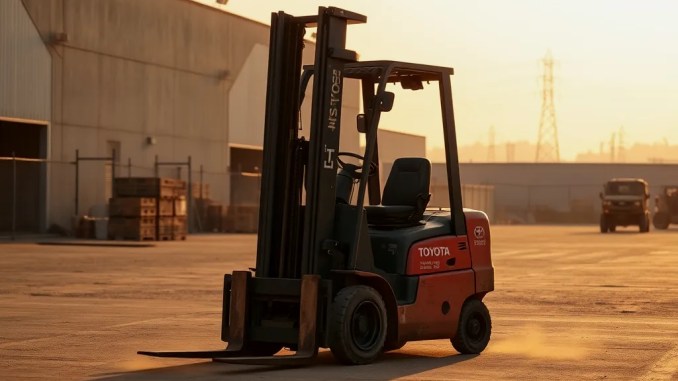
Toyota reviews images showing its forklifts in Israeli military locations
Toyota has opened an inquiry after photographs and videos surfaced showing Toyota-made forklifts operating inside Israeli military logistics sites. Independently published media and material released by the Israel Defense Forces depict forklifts in places described as ammunition depots, logistics training bases, and munitions manufacturing areas. Toyota states these forklifts were not manufactured for military use and says it will investigate whether existing sales agreements or usage restrictions were violated.
What the visual evidence shows and how Toyota is responding
Images published by multiple sources show forklifts branded by Toyota Material Handling performing loading, unloading and internal transport tasks at sites that sources identify as military. Toyota’s spokesperson confirmed the company is reviewing the photos and videos to determine whether customers or intermediaries breached contractual terms that restrict military use. The company noted that tracking secondary sales and end-use after products leave authorized channels is difficult, but it will act if it finds evidence of unauthorized or inappropriate usage.
Details Toyota has not disclosed and expert perspective
Toyota has not released the text of its agreement with the Israeli Ministry of Defense or specified which behaviors would trigger sanctions such as suspending sales. Mark Bromley of the Stockholm International Peace Research Institute, who leads dual-use and arms trade control work, told reporters that when contracts explicitly require civilian-only use, suppliers can lawfully suspend sales or demand corrective action if they find clear evidence of breach. Bromley also emphasized that enforceability depends on contract wording, intermediary transparency and the ability to demonstrate a chain of custody for the equipment.
Legal framework in Israel that can affect equipment acquisition
Israel’s 1987 law gives the military authority to requisition civilian property for operational needs. That statute allows the armed forces to take possession of privately owned equipment under defined conditions, which complicates assessments of whether forklifts appearing in military settings were diverted in breach of a commercial contract or obtained lawfully through requisition. Determining which pathway occurred—direct purchase, secondary sale, or legal requisition—matters legally and practically for Toyota’s ability to pursue remedies.
How Toyota’s review can proceed: practical steps and evidence Toyota can pursue
Toyota can follow a stepwise process to reach a defensible conclusion: collect time-stamped images and video metadata; trace serial numbers or model identifiers visible on the units; audit sales and delivery records with the authorized Israeli dealer; request documentation from the Ministry of Defense about acquisition method; interview intermediaries and end users where contract law permits; and consult independent forensics to validate geolocation and timestamps. Clear documentation of chain-of-custody is the most practical path to proving a contractual violation.
Possible outcomes and actions Toyota might take
Depending on findings, Toyota’s options range from taking no action if lawful requisition explains the presence, to enforcing contractual remedies against the dealer or intermediary, to suspending sales to the offending actor, or seeking return of specific units where legal mechanisms allow. In cases of clear contractual breach and where serial numbers are traceable, Toyota could pursue civil claims or leverage contractually agreed sanctions. Where the military lawfully requisitioned equipment, Toyota’s contractual remedies against private buyers may be limited.
Implications for manufacturers of dual-use industrial equipment
This case highlights recurring challenges: industrial equipment that is civilian by design can be used in military logistics; sales channels and secondary markets create gaps in end-use oversight; and national laws permitting requisition can sidestep commercial restrictions. Manufacturers can mitigate risk by tightening dealer controls, embedding clear serial-number reporting obligations, building compliance audits into contracts, and requiring acknowledgement of local legal regimes that may permit governmental takeover of equipment.
What to watch next
Key developments to monitor include whether Toyota publishes contract terms or announces concrete enforcement actions; whether the Israeli dealer or Ministry of Defense provides acquisition details; and whether independent verification links particular forklift serial numbers to sales records. Public disclosure of these elements will determine whether Toyota can credibly claim a breach or whether the equipment’s appearance in military settings resulted from lawful state powers.








Be the first to comment