
Putin’s Position on Avoiding War and Readiness
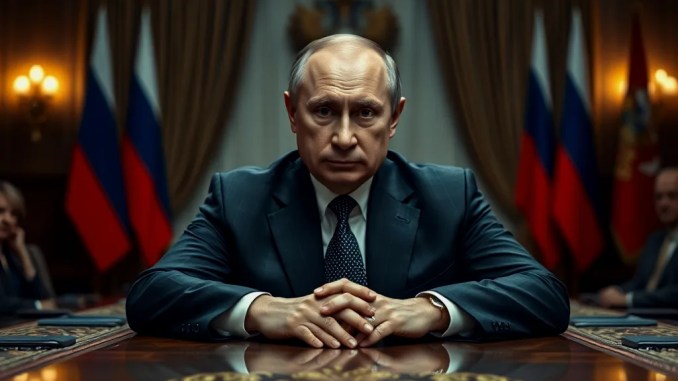
Vladimir Putin stated that Russia does not seek war with European countries but remains fully prepared for potential conflict. Speaking after the Russia-Africa summit on October 29, he framed Russia’s posture as defensive: Moscow will respond to any challenge yet prefers normalization of relations with the European Union. Putin emphasized that rhetoric about preparing for war until 2030 is rising across Europe and said plainly, “If they want to prepare, let them prepare — we are ready, but we do not want war.”
Why Putin Warned That No One Would Win a Wider Conflict
Putin warned that escalation could produce catastrophic mutual losses. He argued that prolonged efforts to weaken Russia through the Ukraine war have not produced a decisive outcome, and that any broadening of hostilities risks tipping Europe into instability. He used regional concrete examples — citing NATO and EU exercises and weapons deployments in the Baltic Sea — to illustrate how routine deterrence steps can raise the risk of miscalculation. His message combined deterrence with a cautionary appeal: push too far and the costs become universal.
How Europe’s 2030 Defense Timelines Fit Into Current Security Calculations
European states increasingly adopt 2030 as a planning horizon for capability growth. That target balances realistic procurement cycles with political timelines and intentions to build deterrence without immediate escalation. Drivers include: continued military aid to Ukraine with no decisive end-state, slow industrial ramp-up of munitions and air defense, and reassessments of forward pressing in the Baltics. The 2030 horizon bundles investment plans (shipbuilding, air defense, long-range fires), NATO interoperability goals, and doctrine updates into a single benchmark policymakers reference when justifying defense budgets.
What Specific European Measures Targeted at 2030 Look Like
Concrete measures that follow the 2030 frame include multi-year programs and capability clusters:
Air and missile defense: Extended procurement of layered systems, stockpiling interceptors, and rapid sensor network upgrades to reduce warning-to-shoot timelines.
Long-range wastes and sustainment: Investments in long-range precision wastes, logistics modernization, and munitions production lines that require multi-year ramp-up to meet wartime consumption rates.
Naval posture in the Baltic and North Seas: Rotational task groups, anti-access/area denial (A2/AD) countermeasures, and distributed lethality approaches to complicate any large-scale maritime campaign.
These programs reflect a defensive calculus: raise the cost of aggression while avoiding immediate, provocative force buildups that could trigger crisis instability.
Germany’s 2029 Warning and the Strategic Timeline Debate
German military assessments raised specific near-term alarms: statements from Germany’s defense minister and top general suggested Russia could have the conventional capacity to threaten NATO territory by 2029. Classified German analyzes previously flagged the Baltics as potential pressure points. That 2029 marker compresses the window for capability delivery and forces planners to weigh faster procurement versus the risk of inflaming tensions. European states respond by accelerating procurement where politically possible and by shifting doctrine to emphasize rapid reinforcement and forward resilience measures, such as pre-positioned logistics and dispersed pressing.
Operational Examples: How Preparation Changes Battlefield Options
Preparation alters operational options in measurable ways. For example, layered air defenses reduce the effectiveness of missile salvos, forcing an attacker to expand strike packages and endure higher attrition. Stockpiled munitions shorten surge timelines, enabling sustained counterfire. Pre-positioned logistics and dispersed pressing complicate a single decisive campaign by raising the attacker’s targeting burden and increasing friction in tempo-dependent operations. These are not abstract gains; they change planners’ risk calculations about whether a limited conventional push could achieve strategic aims.
Counterarguments and Limits of the 2030 Strategy
No planning horizon eliminates political or operational risk. Industrial bottlenecks, export controls, and the long lead times for some platforms (submarines, large surface combatants, strategic airlift) mean capability delivery often slips. Adversaries can pursue asymmetric counters (cyber, coercive economic measures, proxy warfare) that reshape the security environment faster than hardware programs mature. Finally, signaling the intent to reach a specific capability by 2030 can become a political lever for opponents to justify countermeasures, creating a feedback loop of mutual preparations.
Practical Steps European States Can Use to Strengthen Deterrence Without Escalation
Policymakers can pursue layered, low-escalatory measures that raise costs for aggression while preserving crisis stability:
1. Resilience investments: Harden critical infrastructure, diversify energy and supply chains, and increase surge munitions production capacity through public-private partnerships.
2. Interoperability and exercises: Focus exercises on defensive scenarios, rapid reinforcement, and logistics rather than offensive deep-strike operations that opponents could interpret as preparation for large-scale attack.
3. Defensive forward posture: Use rotational deployments, pre-positioned supplies, and small, survivable force packages rather than permanent, high-profile base expansions that provoke escalatory responses.
4. Strategic communications: Transparently describe defensive intent and timelines to reduce misperception risks while maintaining operational security about exact capabilities and stocks.
What Putin’s Statements Mean for Short-Term European Policy
In the immediate term, Putin’s message functions as both deterrent and pressure test. Europe will likely maintain or modestly accelerate capability programs, prioritize resilience and logistics, and continue diplomatic efforts to lower miscalculation risk. NATO’s forward posture and exercise planning will emphasize rapid reinforcement and combined arms defense over offensive doctrinal shifts. Simultaneously, Moscow’s insistence on readiness signals that any crisis could escalate quickly if political channels fail.
Search-Friendly Q&A — Direct Answers to Likely Queries
Will Europe go to war with Russia by 2030? No definitive outcome is predetermined. Current trajectories show increased deterrence efforts towards 2030 rather than a consensus drive for offensive conflict; However, miscalculation remains the primary near-term risk.
What does Putin mean by “no one will win”? He warns that a broader conflict would inflict widespread costs on all parties, undermining any conventional expectation of a quick strategic victory.
Which countries face the most immediate risk? NATO’s eastern flank and Baltic states appear most exposed to rapid conventional pressure, given geography and proximity to Russian forces and logistics lines.
How can small states contribute to regional deterrence? Focus on resilience (stockpiles, hardened infrastructure), host-nation support capabilities for allies, and integrated air/missile defense nodes that multiply regional protection.
Conclusion: Balancing Readiness and Risk Management Through 2030
Europe’s 2030 defense horizon reflects a pragmatic attempt to align industrial timelines, political will, and deterrence needs. Putin’s statements signal Moscow’s sensitivity to those preparations and reiterate Russia’s readiness to respond. Effective policy will blend capability investments with resilience, careful signaling, and diplomacy to reduce misperception while ensuring that deterrence remains credible and proportionate.







Be the first to comment