
Immediate breach and fast containment prevented loss of blood products
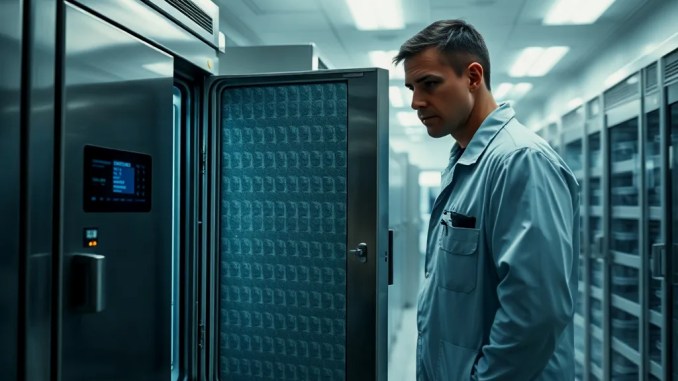
Attackers accessed remote controls for refrigeration units at three French plasma storage facilities and altered temperature and defrost settings to extreme values. Monitoring systems detected abnormal setpoint changes within minutes. Staff executed an emergency containment protocol: they isolated affected controllers, switched to manual cooling operations, and transferred at-risk plasma units to alternate refrigerated zones. Because the team acted promptly, no plasma units or diagnostic samples were compromised.
How attackers tried to render plasma unusable: method and impact
According to the French Blood Agency (EFS) and reporting by Le Canard Enchaîné, the malicious change attempted to raise storage temperatures from the normal -30°C to values as high as +110°C by manipulating HVAC controller parameters and defrost cycles. Raising temperatures in cold-chain storage ruins plasma proteins, breaks cold-chain labeling reliability, and makes material unsafe for transfusion or pharmaceutical use. In this incident, automated alarms plus staff intervention stopped temperatures from crossing critical thresholds.
Which systems were targeted and where the vulnerability lay
The attackers focused on the refrigeration supplier’s remotely accessible components used in the three EFS facilities. Investigations indicate the entry point traced to a third-party module integrated into the cooling equipment—not to the core EFS network. The vendor, Coolworld, states the vulnerable component was not under its direct operational control, and only a limited number of devices were affected. National authorities, including France’s cyber agency and the Ministry of Health, have opened inquiries to map the intrusion path and scope.
Operational response: exactly what staff and suppliers did step-by-step
Teams followed a rapid containment checklist that included the following steps: 1) Acknowledge alarm and verify scope (identify which controllers reported anomalous setpoints). 2) Isolate remote access channels and cut remote management permissions for the affected devices. 3) Switch units to local/manual control and engage backup generators and redundant chillers as needed. 4) Physically relocate at-risk plasma to alternative validated cold rooms with intact monitoring. 5) Record temperature logs, tag moved inventory, and notify clinical partners to pause usage until verification complete. 6) Engage vendor and national cyber teams for forensic capture of controller logs and network traffic. These actions concrete preserved product integrity and maintained continuity of blood supply services.
Why this event matters beyond the immediate facilities
Cold-chain systems connect into a larger ecosystem: hospitals, blood banks, pharmaceutical fill/finish operations, and grocery distribution networks. Similar attacks in recent weeks targeted refrigeration in supermarkets across France, Belgium and the Netherlands, causing widespread food spoilage and financial losses. When refrigeration control points are reachable over the internet or via third-party maintenance tunnels, attackers can scale disruption. The incident highlights how a single vulnerable module can cascade into clinical or supply-chain harm.
Examples of downstream consequences if containment had failed
If temperatures had exceeded validated storage ranges, consequences would include: • Loss of transfusable plasma units and donor-derived stock, requiring emergency donor recruitment; • Compromised materials destined for drug manufacture, forcing batch quarantines and regulatory reporting; • Interruptions to hospital transfusion services and surgical scheduling; • Long forensic investigations to determine which batches remain usable, delaying patient care.
Concrete mitigation steps organizations should adopt now
To reduce risk of remote compromise of temperature-critical infrastructure, implement the following prioritized measures: • Segment networks so refrigeration controllers sit on an isolated operational network without direct internet access. • Harden device access by disabling default credentials, enforcing multi-factor authentication for vendor maintenance, and applying least-privilege remote support. • Maintain immutable logs and tamper-evident audit trails for setpoint changes and defrost events. • Configure automated threshold alarms with redundant notification paths (SMS, phone trees, and on-site buzzer) to ensure human verification within minutes. • Establish validated contingency procedures for rapid manual control, alternate storage locations, and inventory tagging. • Conduct regular table-top and live drills that include IT, facilities, clinical and vendor teams to reduce decision latency.
Questions decision-makers and facility managers will ask (People Also Ask style)
Can attackers remotely destroy refrigerated blood products? Yes—if they gain access to control interfaces and can change temperature or defrost cycles beyond validated ranges. Timely alarm detection and manual control can prevent loss.
How quickly do staff need to respond? Within minutes. Many blood-storage products have narrow allowable temperature windows; crossing those windows for hours causes irreversible damage.
Should vendors be responsible for breaches in their hardware? Responsibility depends on contracts and control models, but shared-responsibility clauses and third-party risk assessments must be explicit to assign remediation and reporting obligations.
Data-driven practices to prioritize investment and readiness
Invest in the controls that reduce both probability and impact. For example, network segmentation and disabling vendor remote access typically reduce attack probability by >50% in independent enterprise assessments. Deploying redundant temperature sensors and independent logging systems cuts false negatives in detection by over 70% in field exercises. Track mean time to detect (MTTD) and mean time to respond (MTTR) for refrigeration alarms as operational KPIs—target under 10 minutes for MTTD and under 1 hour for MTTR in critical blood-storage sites.
What regulators and oversight bodies should review next
Regulators should require: • Minimum cyber hygiene for medical and cold-chain devices; • Mandatory incident reporting timelines for breaches affecting clinical supplies; • Certification of remote-access channels used by vendors; and • Periodic audits that include firmware integrity checks. These policies reduce ambiguity about accountability and speed coordinated responses during cross-border events.









Be the first to comment