
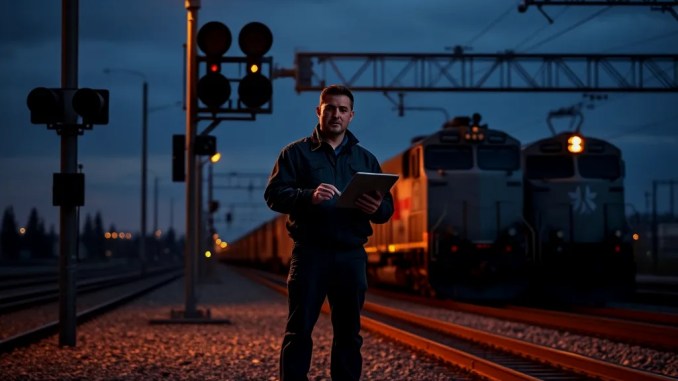
VIA Rail warns passengers after Microsoft email outage
VIA Rail alerted customers that Microsoft service disruptions could prevent routine email notifications about train delays and schedule changes from reaching recipients. The company posted bilingual notices on social media and advised passengers to opt for SMS alerts and the online real-time train-tracking tool as reliable alternatives. VIA Rail later confirmed trains continued to operate normally while some customers experienced intermittent access to email during the outage window.
How to enroll in VIA Rail SMS train alerts — step-by-step
Follow these exact steps to guarantee you receive text updates when email fails:
1. Find your trip page: Go to VIA Rail’s arrivals or departures page and enter the train number and travel date shown on your ticket.
2. Select “Train Alert Service”: On the trip details, choose the Train Alert Service option to start registration.
3. Provide your mobile number and confirm: Enter a mobile phone number that accepts SMS and confirm the subscription through any required verification code.
4. Verify coverage and carrier settings: Ensure your mobile plan supports short codes and international messages if traveling cross-border. If you use a corporate phone plan, allow messages from short-code senders or whitelist VIA Rail’s number.
Example: A traveler on the Toronto–Ottawa route who registered via SMS in advance received a 10-minute delay notice by text during the outage window while the same message arrived late by email after the service resumed.
Use the real-time tracking tool to monitor your train
The online tracking platform displays live train location, estimated arrival times at upcoming stations, and any posted service alerts. Access it from the VIA Rail website or mobile app using the train number on your boarding pass. Key practical uses:
– Confirm platform and on-time status: Check the train’s progress towards your boarding station to know whether to wait at the platform or delay arrival.
– Route-level visibility: See where a connecting service is delayed so you can decide to rebook or request assistance before missing a connection.
– Cross-check with SMS: When email is down, use SMS for alerts and the tracker to validate the specifics (eg, expected delay duration and affected stations).
Why SMS and app tracking beat email during outages
Email systems rely on multiple backend components — delivery queues, mail servers, and third-party identity services — which outages can disrupt. SMS flows through telecom carriers and often remains functional even when cloud email platforms experience interruptions. The mobile app and web tracker use separate APIs and caching mechanisms, which can provide near-real-time status even if message delivery faces delays. In practice, this means:
– Redundancy: SMS and web tracking create parallel channels so the same operational message reaches you through at least one path.
– Speed: SMS often pushes concise, actionable notices (delay minutes, revised departure time) faster than email when systems are degraded.
UK National Rail issued parallel guidance during the same Microsoft outage
National Rail in the UK warned customers they might not receive e-tickets or email confirmations while Microsoft services were affected. The operator recommended passengers access tickets via the vendor website or mobile app and to opt into SMS or messaging channels such as WhatsApp where offered. After Microsoft restored services, operators confirmed queued emails were delivered and normal notification flows resumed.
Practical checklist to prepare for future notification outages
Implementing the checklist below reduces the risk of missing an important travel update:
Before travel:
– Register multiple contact channels: Add a mobile number for SMS alerts and enable push notifications in the mobile app.
– Save ticket URLs and screenshots: Store an offline screenshot or PDF of your ticket and the direct trip link in your phone’s files so you can access it without email.
– Whitelist carrier numbers: Permit messages from short codes or add VIA Rail’s SMS number to contacts so filters don’t block them.
During travel:
– Check the tracker on arrival and before leaving home: Open the tracker 30–60 minutes before departure to confirm on-time status.
– Use SMS as the primary alert during outages: Assume email may be delayed and rely on text or app push messages for time-sensitive decisions.
What operators can do to reduce passenger disruption
Rail companies can implement immediate, low-cost measures and longer-term resilience strategies. Short-term actions include defaulting passengers to SMS for time-critical alerts and publishing contingency notices on station displays and social channels. Longer-term steps involve diversifying notification infrastructure: use multiple email providers, maintain cached copies of outbound alerts, and integrate telecom vendor failover for SMS and push notifications. A combined approach reduces single points of failure and keeps passengers informed during cloud-provider incidents.
Data point: outage timing and impact
Microsoft reported the outage began at 05:05 on November 12 and ended at 11:10 on November 13 (service updates indicated full restoration and queued messages were delivered). Operators did not publish exact counts of affected passengers, but the incident highlights how widely used cloud email services can affect critical customer communications across transport networks.





Be the first to comment