
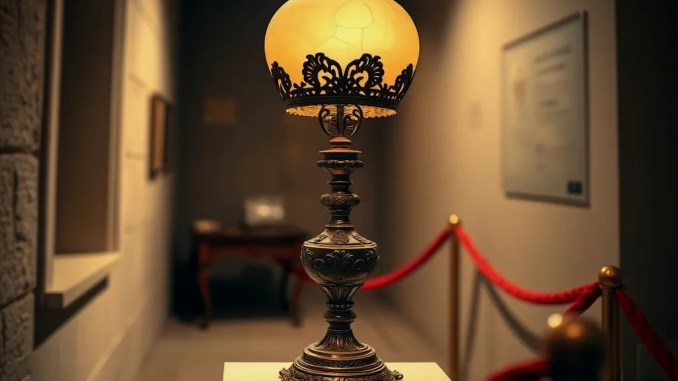
How a €20 Purchase Turned into a €251,000 Discovery
In northern France, a woman paid about €20 for a black ceramic table lamp at a local flea market. Her daughter later noticed an engraved signature on the lamp’s base: Jouve. They took the object to an auction house for authentication. Experts confirmed the piece as an original by Georges Jouve (1910–1964), and on October 29 it sold for €251,000 at Neo Enchères — a record price for a Jouve-signed lamp.
What Makes Georges Jouve Lamps So Valuable?
Georges Jouve built his reputation on mid-20th-century ceramic design that married modernist form with meticulous glaze technique. Key value drivers for his pieces include:
Authentic signature: Jouve’s hand-signed mark or impressed stamp directly increases market value.
Condition: Intact glaze, no cracks, and original wiring (where present) preserve price strength.
Provenance: Any documentation or a clear chain of ownership enhances buyer confidence.
Rarity and design: Unique silhouettes or experimental glazes from certain production periods command premiums.
How Experts Confirm Authenticity — Step by Step
Authentication of ceramics like this lamp typically follows a checklist used by auction houses and conservators:
1. Visual signature verification: Compare the signature style, placement, and tool marks with known Jouve examples.
2. Material and glaze analysis: Examine clay body, glaze chemistry, and firing traits consistent with mid-century French studios.
3. Condition assessment: Identify restorations, hairlines, or structural repairs that affect value.
4. Historical comparison: Match the lamp’s form and surface treatment to documented Jouve pieces in catalogs or museum collections.
5. Provenance research: Trace prior ownership, receipts, or exhibition records when available.
Why This Sale Set a Record
The auction outcome reflected several converging factors: the lamp’s pristine condition, unmistakable signature, limited recent supply of top-quality Jouve lamps on the market, and competitive bidding among European collectors. Initial pre-auction estimates ranged between €80,000 and €120,000, but active interest pushed the final hammer price to €251,000.
Practical Tips for Flea Market Finds — How to Spot Potentially Valuable Ceramics
If you want to identify overlooked ceramics with resale potential, follow these practical steps:
Look under the base: Many artists sign or stamp pieces on the underside.
Learn hallmark patterns: Study signature styles of targeted makers; subtle differences separate originals from reproductions.
Check condition closely: Minor surface wear is normal and acceptable; hairline cracks or heavy restoration reduce value significantly.
Ask for provenance: Vendors sometimes retain receipts or photos from prior owners that help verify history.
Use reference guides: Carry a concise reference (print or app) with images of known makers to compare on the spot.
Who Buys High-End Mid-Century Ceramics and Why?
Buyers of high-value ceramics fall into a few groups: private collectors building targeted collections, design-focused institutions acquiring representative works, and dealers who flip scarce pieces into international markets. They value Jouve and his peers both for aesthetic importance and long-term investment potential; mid-century ceramics with strong provenance and condition have shown steady collector demand across Europe and the US
What This Story Means for Everyday Sellers and Buyers
This lamp’s trajectory — from a flea market purchase to record auction sale — highlights two practical takeaways: keep an eye on signatures and details, and don’t discard small finds without basic verification. While most flea market purchases remain modest, rare instances like this underline that informed curiosity and a bit of research can uncover major value.
Further Resources and Next Steps for Interested Owners
If you believe you have a piece by Georges Jouve or another mid-century ceramicist, start by photographing the object (including close-ups of marks), preserving any original fittings, and consulting with a specialist auction house or certified appraiser. Many regional auction houses offer preliminary valuations free of charge; for high-value items, request written condition reports and scientific analysis if necessary.








Be the first to comment