In a bold move to reinforce its defense capabilities amid escalating regional tensions, Greece is set to deploy advanced Israeli-made air defense systems to bolster its sovereignty and deter potential threats from neighboring conflicts. This strategic upgrade marks a significant pivot in Greece’s military modernization efforts, aiming to establish a multi-layered defensive shield capable of countering a diverse array of aerial threats.
Greece’s decision to prioritize Israeli defense technology underscores the increasing importance of regional security alliances and technological interoperability in contemporary military strategies. As tensions persist in the Eastern Mediterranean, especially concerning Turkish maritime assertiveness and regional destabilization, Greece’s investments reflect a calculated effort to safeguard its airspace while projecting strength through modernized defense infrastructure.
Enhanced Defense Layers: The Israeli Systems Take Center Stage
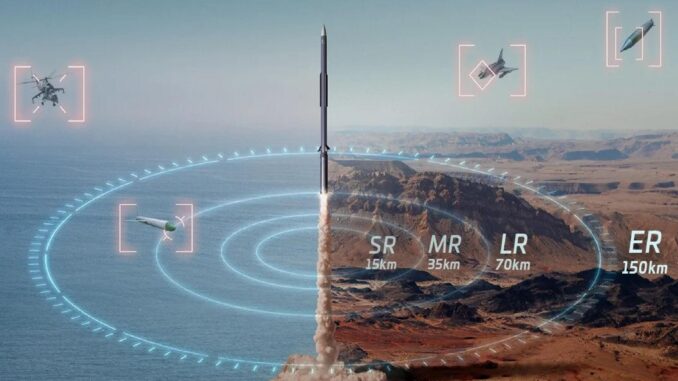
The centerpiece of Greece’s upgrade is the procurement of multi-tiered Israeli air defense systems, designed to provide comprehensive coverage against various aerial threats, including aircraft, cruise missiles, and drones. These systems include the Spyder, Barak MX, and David’s Sling — each tailored to specific operational ranges and threat profiles.
By integrating these cutting-edge defenses, Greece will establish a formidable multi-layered shield capable of intercepting threats at different distances, effectively reducing the risk of penetration by hostile forces and increasing the country’s deterrence capacity.
Details of the Defense Systems and Their Roles
| System Name | range classification | Operational Role |
|---|---|---|
| Spyder (Raphael) | Short Range | Focuses on defending against tactical, close-range threats such as aircraft and drones, providing rapid response at a localized level. |
| Barak MX (IAI) | Medium-Range | Designed to intercept medium-range threats, including incoming missiles and aircraft, serving as the critical middle layer in defense architecture. |
| David’s Sling (Rafael) | Long Range | Handles long-distance threats such as ballistic missiles and strategic aircraft, ensuring Greece’s outer defense perimeter remains intact. |
Broader Military Modernization and Strategic Objectives
Beyond the air defense upgrade, Greece plans to modernize its air force fleet with the purchase of 38 F-16 fighter jets slated for comprehensive modernization. This move is part of a broader multi-billion euro defense overhaul set to span over the next decade, emphasizing technology cooperation, air superiority, and strategic resilience.
Simultaneously, Greece invests in ground-based defenses, including 36 Elbit Systems-produced PULS rocket systems, enhancing its ground-to-air missile capabilities. These combined efforts aim to create an integrated defense network, capable of reacting swiftly to modern threats and maintaining regional stability.
Regional Implications and Geopolitical Significance
Greece’s move to adopt Israeli drone and missile defense systems sends a clear message to regional adversaries and allies alike: it is committed to maintaining air superiority and deterrence. This strategic alignment also signals a seeking reliance on traditional Western defense systems, emphasizing technological innovation and regional partnerships.
The collaboration with Israel, a recognized leader in military technology, often sparks diplomatic discussions, but it also enhances Greece’s strategic independence. As regional alliances shift, Greece’s focus on self-sufficiency and technological innovation assures its readiness to face future challenges.
The Future of Greece’s Defense Architecture
Looking ahead, Greece’s defense strategy exhibits a clear intent: building a multi-layered, highly integrated defense network that can neutralize varied threats, from conventional aircraft to modern unmanned drones. The deployment of Israeli systems is just one facet of a comprehensive plan to elevate Greece’s military posture and regional influence.
This modernization not only bolsters Greece’s security but also contributes to regional stability by presenting a robust deterrent to potential aggression. As other nations observe Greece’s strategic investments, it may inspire similar initiatives across the Mediterranean and beyond, participating in the reshaping of regional security dynamics.