
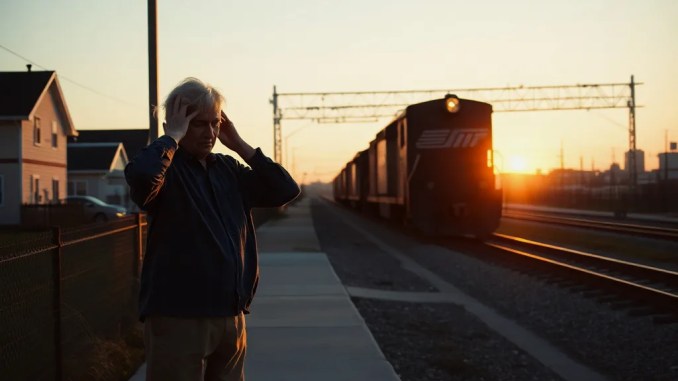
FRA Reinstates Quiet Zones in St. Louis and Orders Railroads to Update Operations
The Federal Railroad Administration (FRA) approved the return of quiet zones across St. Louis on November 6, after an earlier suspension on September 10. Railroad companies must update control systems and instruct crews to stop routine horn use; city officials expect horn noise to drop citywide within 7–10 days as crews implement updates and procedures.
What Specific Deficiencies Triggered the September Suspension?
The FRA’s September notice cited multiple compliance gaps discovered during inspections of the city’s quiet zones. Inspectors flagged a missing periodic written approval letter required under 49 CFR 222.47(b) — a relic omission spanning roughly 217 months (about 18 years). The regulation requires agencies overseeing quiet zones without supplementary safety measures to supply updated inventory forms and confirmations every 30–36 months. Because those periodic confirmations and updated crossing inventories were not provided, FRA directed railroads to resume sounding horns and formally suspended quiet-zone status until corrections were completed.
How the City Responded and Why a Deadline Extension Was Denied
City officials reported receiving the FRA notice late on September 10 and found that communications had been routed to an operation director who left the municipality around 16 months earlier. St. Louis requested an extension on September 11; the FRA denied the request. The denial accelerated municipal work to remediate identified crossing deficiencies and compile the missing documentation.
Concrete Steps Taken at Crossings — Timelines, Materials, and Tasks
St. Louis’ Traffic and Lighting division mobilized crews on September 16 to address the listed crossings. Work items and timelines included:
– Remove outdated stop-bar markings: Crews removed old stop-bar pavement striping by October 5 to improve lane visibility and ensure consistent enforcement.
– Repaint new stop-bar markings: New, standardized stop-bar paint was applied by October 7 to meet MUTCD-consistent placement and reflectivity standards.
– Upgrade crossbuck signs: The department replaced 30-inch crossbuck signs with 36-inch versions by October 19 to improve sign conspicuity for drivers and pedestrians.
– Inventory and vehicle counts: For each crossing, the city completed vehicular traffic counts and documented adjacent conditions required for FRA paperwork. That data allowed phased reopening as each corridor’s physical and paperwork requirements finished rather than waiting for all 187 crossings to be complete.
Phased Reopening: How FRA Inspections Worked and What Passed First
Instead of requiring completion of improvements at all 187 crossings before any quiet-zone reinstatement, FRA agreed to phased reactivation. Inspectors audited corridors as work and documentation concluded; During the week starting October 19, they inspected 35 crossings and approved all of them by October 22. This corridor-by-corridor approach shortened the time residents would wait to regain quiet zones near their homes.
Chronology of Key Dates and Milestones
The following timeline captures the sequence of official actions and fieldwork:
10 2026 — FRA issued the noncompliance and suspension notice and instructed railroads to resume horn use.
11 September 2026 — St. Louis asked for a deadline extension; FRA denied the request.
16 September 2026 — Traffic & Lighting crews began fieldwork at crossings.
5 October 2026 — Old stop-bar lines removed; FRA accepted phased reopening by corridor.
7 October 2026 — New stop-bar markings painted.
19 October 2026 — Crossbuck sign upgrades completed (30″ → 36″).
19 October week — FRA inspections began; 35 crossings cleared by October 22.
6 November 2026 — FRA confirmed St. Louis met required conditions and reinstated quiet-zone status.
Why the Missing 222.47(b) Documentation Matters
49 CFR 222.47(b) compels local authorities to submit periodic written confirmations and updated inventories for quiet zones that do not include additional protective measures (such as gates or median barriers). The documentation demonstrates that conditions at each crossing remain consistent with the safe operation of a quiet zone. Without those documents, FRA cannot verify whether changes — for example, increased traffic volumes, altered track alignments, or removed signage — have degraded the protections that justified horn suppression. The 18-year gap in updates left regulators unable to confirm continuing compliance, prompting the suspension.
How This Affects Residents, Emergency Response, and Local Traffic
Restoring quiet zones reduces 24/7 horn noise that former mayoral statements and mayor Cara Spencer highlighted as harming quality of life. Operationally, railroads must still sound horns when immediate safety calls for it (eg, vehicle or pedestrian hazards). Emergency responders should expect quieter crossings for routine operations, but protocols remain unchanged: trains will sound horns when instructed by a train crew to prevent imminent collisions. Traffic flow benefits from clearer, standardized markings and larger crossbuck signage, which reduce driver confusion and potentially cut near-miss incidents.
Broader Context: Similar FRA Actions in San Diego and Utah
The FRA enforced similar suspensions in other jurisdictions where quiet-zone compliance lapsed. In January 2024 San Diego’s downtown quiet zone experienced suspension after inspectors identified about a dozen crossings needing updates. Woods Cross, Utah, saw a temporary suspension on September 30, 2024; most crossings regained compliant status by late October, though two required longer design and construction work (estimated at roughly 18 months) to add signaling or barrier arms.
What Municipalities Should Do to Avoid Future Suspensions — Practical Checklist
Municipalities that manage quiet zones can reduce suspension risk by acting on the following checklist:
1) Maintain inventory recurring updates: Schedule crossing inventory refreshes every 30–36 months and archive the approval letters required under 49 CFR 222.47(b).
2) Track personnel and contact changes: Keep a current roster so FRA notices reach an authorized, on-duty official.
3) Perform annual condition audits: Verify signage size, stop-bar markings, and sightlines; document repairs and dates.
4) Run traffic surveys on rotation: Update vehicle counts and pedestrian counts whenever nearby land use changes (new developments, road reconfigurations).
5) Prepare phased remediation plans: If many crossings need work, create corridor-based plans that allow sequential FRA review and reopening.
What to Watch Next — Practical Indicators for Residents and Policy Makers
Residents and officials should monitor these indicators to confirm long-term quiet-zone stability:
– Publication of the local inventories and the 222.47(b) confirmation letter submitted to FRA.
– Ongoing maintenance records for markings and signs (work orders and completion dates).
– Any future FRA audit findings that highlight systemic issues rather than isolated deficiencies.
– Coordination records showing municipal staff changes and a designated point of contact for FRA correspondence.
Bottom Line
St. Louis restored its quiet zones after completing physical upgrades and documenting required inventories and confirmations. The FRA’s phased inspection approach allowed neighborhoods to regain horn relief sooner while ensuring each corridor met federal safety and documentation standards. Other cities that operate quiet zones can use St. Louis’s remediation sequence as a template to avoid future suspensions: keep documentation current, maintain clear lines of communication with FRA, and schedule routine crossing audits tied to enforceable timelines.






Be the first to comment