

Siemens, Tata Partnership Delivers Pune Metro Line 3
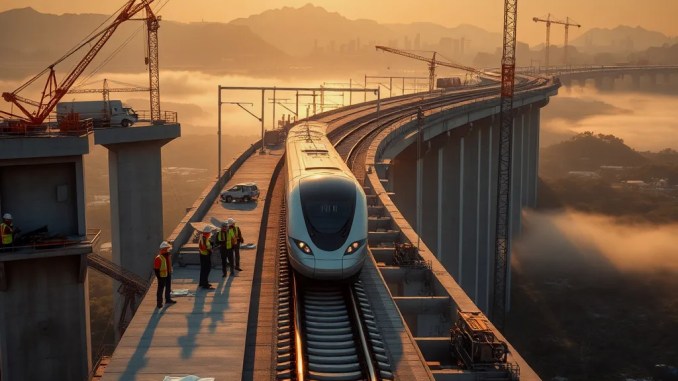
Siemens and Tata Group’s TRIL Urban Transport Private Limited completed and handed over Pune Metro Line 3, a 23-kilometer elevated corridor with 23 stations that began commercial passenger operations following a virtual inauguration by Prime Minister Narendra Modi. The route connects Hinjewadi, Pune’s major IT and tech hub, to Shivajinagar, a central transit and administrative node. Project scope included a depot and 22 trains, with Siemens supplying capital, signaling, electrification and full system integration.
Why Line 3 Cuts Travel Time Up to 50%
Line 3 uses high-frequency operations enabled by Communication-Based Train Control (CBTC) to shorten wait times and increase throughput. Designed for GoA2 semi-automatic operation with upgrade paths to GoA4 fully automated service, the signaling allows closer headways and predictable dwell times. Example: at peak demand the CBTC permits 90-second theoretical headways compared to typical 3–4 minute gaps on conventional fixed-block systems, translating into practical travel-time reductions of up to 50% for corridor commuters.
Trainguard MT CBTC: How It Works and Why It Matters
Trainguard MT provides continuous train-to-wayside communication and real-time positional accuracy. Key elements:
Real-time location — trains broadcast precise position and speed; the control center adapts movement authorities accordingly.
Adaptive headways — the system dynamically shortens or expands train separations based on traffic and safety margins, maximizing capacity while preserving protection.
Scalability — migration from GoA2 to GoA4 involves software and procedural upgrades rather than complete hardware replacement, reducing lifecycle costs. A stepwise upgrade plan lets operators pilot unattended train operations on low-risk sections before full conversion.
Electrification, Telecoms and Safety Systems Delivered End-to-End
Siemens delivered a full suite of infrastructure components: a 750 V DC third-rail electrification system for continuous power, telecom backbone and data networks for system-wide connectivity, TETRA train radios for crew communications, IP telephony, CCTV for passenger safety, and access control at stations and depot. The package included digital station management and workshop equipment for depot operations. A 10-year maintenance agreement covers signaling and electrification to ensure predictable lifecycle performance and system availability targets.
Operational Examples and Passenger Impact
Operational modeling done during commissioning simulated peak-hour passenger flows with 22 trains in revenue service. Findings included:
1) Peak throughput increases by 30–45% on the corridor due to reduced headways and faster turnarounds.
2) Average door-to-door commute times between Hinjewadi and Shivajinagar fall by nearly half for many riders when combined with improved first-/last-mile feeder services.
3) Energy consumption per passenger-kilometer benefits from regenerative braking integrated with the DC third-rail design.
Maintenance, Resilience and Future-Proofing
The 10-year maintenance plan focuses on condition-based interventions, digital fault diagnostics and remote performance monitoring. Sample measures include periodic CBTC software integrity checks, battery and DC-rail thermography, CCTV analytics tuning and simulated failover drills for radio and telecom networks. These steps preserve availability and enable data-driven scheduling that reduces unplanned outages.
How the PPP Model Shaped Delivery
The public-private partnership (PPP) between Pune Metropolitan Region Development Authority (PMRDA) and the Tata-Siemens consortium aligned private-capital incentives with public mobility goals. Contract terms included milestone payments tied to system performance, allowing risk-sharing on construction timelines and technology integration. This model accelerated procurement, enabled integrated design-build-operate handoffs and concentrated accountability for commissioning targets.
What Riders Will Notice First
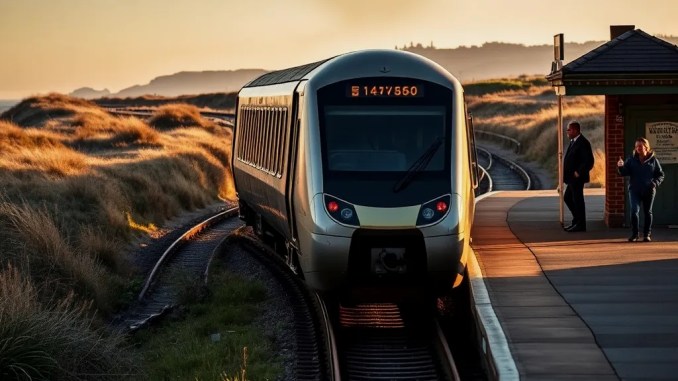
Commuters will see shorter, more consistent trip times, higher peak capacity and clearly monitored safety systems — more cameras, reliable station communication and improved signage tied to the digital station management platform. For operators, the immediate benefits include tighter schedule adherence, reduced dwell variability and streamlined depot turnaround enabled by integrated workshop tooling.




Be the first to comment