
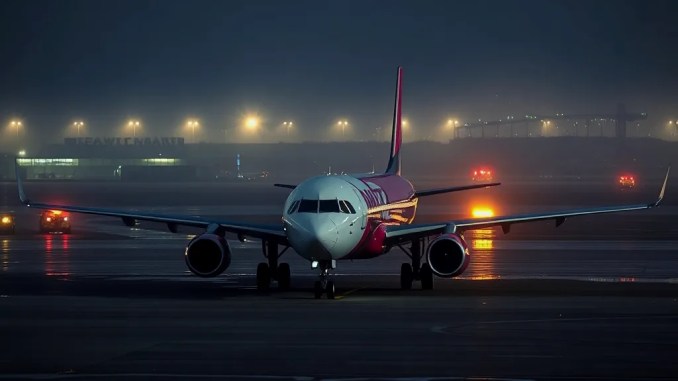
Flight diverted to Budapest after bomb threat
Wizz Air flight departing London for Sofia received a bomb threat in midair and was promptly diverted to Budapest’s Liszt Ferenc International Airport. Hungarian authorities cleared the route for the aircraft to land and coordinated an immediate on-ground security response. Airport operations received the redirected flight and moved it to a designated inspection area to allow thorough screening without disrupting other arrivals and departures.
How Hungarian air defense responded
Within minutes of the threat alert, Hungarian air defense scrambled a Gripen fighter to escort the passenger jet. The military aircraft maintained visual contact and accompanied the airliner through Hungarian airspace until the flight completed a safe landing. After verifying the plane was on the ground and in the secured inspection zone, the Gripen returned to base. This rapid escort procedure follows established protocols to ensure civilian safety while minimizing passenger alarm and airport interference.
On-ground security and police procedures
After landing, airport security teams directed the aircraft to a remote inspection bay where trained explosive ordnance and security personnel began systematic checks. The procedure typically includes a visual exterior inspection, cabin sweep by certified teams, canine explosive-detection units where available, and use of portable detection equipment. Once initial screening is complete, police take command of the investigation, conduct passenger interviews, review flight manifests and CCTV footage, and coordinate any further forensic or disposal actions if a suspicious item is found.
What passengers can expect during a diversion
Passengers aboard diverted flights should expect an immediate announcement from the crew, direction from ground personnel upon landing, and a potential wait while authorities complete safety checks. Airlines commonly provide basic support—bottled water, instructions, and, when feasible, rebooking or onward travel assistance—after authorities release the aircraft. In high-stress scenarios, carriers also have protocols to protect passenger information and to coordinate with consular services if international connections are affected.
Why military escort is used and what it achieves
Military escort by fighters like the Gripen serves several purposes: maintaining positive identification of the aircraft, deterring potential hostile actions, and offering rapid communication between military and civil controllers. The visual presence reassures air traffic control and ground teams that the situation is contained, while fighters can also inspect the aircraft from advantageous vantage points to spot anything abnormal externally and ensure compliance with diverted routing instructions.
Common legal and operational follow-ups after a bomb threat
Following a bomb threat, authorities typically carry out these steps: 1) Secure and isolate the aircraft; 2) Conduct controlled searches and, if needed, employ bomb-disposal units; 3) Interview crew and passengers and review baggage manifests; 4) Preserve and analyze relevant security camera footage; 5) File incident reports and, if appropriate, open criminal investigations. Airlines cooperate with local law enforcement and civil aviation authorities to document the event for regulatory compliance and insurance purposes.
Examples and context from recent similar incidents
Airlines across Europe occasionally face bomb threats that result in diversions; common destinations for such diversions are major hubs with robust security resources. For example, previous incidents have seen flights rerouted to nearby international airports capable of hosting security teams and explosive ordnance disposal units, minimizing disruption while ensuring comprehensive checks. These operational patterns emphasize routing decisions based on proximity, available security assets, and runway capacity.
Practical advice for travelers and families
Travelers can prepare for rare diversions by keeping important documents accessible, saving emergency contacts, and maintaining charged mobile devices. Families waiting to hear news should check official airline channels and airport press offices rather than relying solely on social media for verified updates. If you were on the flight, keep records of communications from the airline and receipts for any unexpected expenses; these can be necessary for reimbursement or insurance claims.
Concluding operational note
In this incident, the passenger aircraft landed safely in Budapest, completed security inspections, and the Gripen returned to its base after escort duties ended. Police assumed responsibility for the ground investigation, following standard protocols to determine the credibility of the bomb threat and to clear the aircraft for further travel.








Be the first to comment