
What happened in Brooklyn and where did the collapse occur?
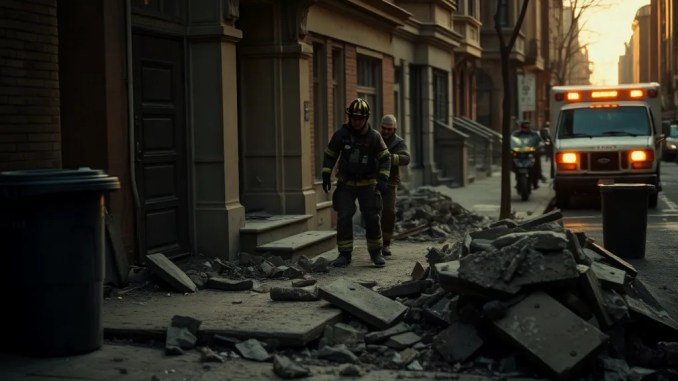
The partial collapse struck a multi-story building in Brooklyn at the block between Newkirk and Flatbush avenues. Emergency calls prompted New York City Fire Department (FDNY) units to respond immediately. First responders found a section of the structure reduced to a pile of rubble and multiple people trapped beneath debris; emergency teams confirmed two fatalities and more than 15 injuries at the scene.
How rescue teams responded and who is involved
FDNY coordinated a large, multi-agency response aimed at locating and extricating survivors. More than 250 firefighters and emergency personnel were deployed, including search-and-rescue specialists, medical teams, and structural engineers. Crews used shoring equipment, acoustic devices to detect calls for help, and a crane to lift heavy concrete and collapsed framing. Command established a unified incident command post to manage resources, triage, and safety zones.
What search-and-rescue steps are being used on site?
Rescue operations followed these staged steps to protect victims and responders:
1. Scene stabilization: Teams assessed remaining structure stability, installed temporary shoring, and set exclusion zones to prevent further collapse.
2. Victim detection: Rescuers used listening devices, fiber-optic cameras inserted into voids, and trained search dogs to locate survivors inside void spaces.
3. Rescue access: Once a victim was located, crews cleared debris systematically, creating a controlled access corridor to minimize movement of unstable material.
4. Medical triage and extraction: On-site medics stabilized injured people using cervical immobilization, hemorrhage control and rapid evacuation to ambulances for hospital transport.
5. Debris removal and recovery: Heavy equipment removed large rubble under direction of engineers; forensic teams and investigators followed to document evidence and recover remains respectfully when required.
What injuries and casualties have been reported?
Authorities confirmed two deaths at the scene. More than 15 people sustained injuries ranging from minor cuts and fractures to critical trauma requiring surgery. FDNY and EMS prioritized rapid transport of the most seriously injured to nearby trauma centers. Patient counts, condition updates, and hospital destinations were being managed through the incident command’s medical liaison.
What do visual accounts and footage show?
Video and photos circulating on social platforms display a large heap of concrete, brick, and interior building materials, with rescue crews working amid dust and twisted metal. Footage captured a crane hoisting collapsed panels and firefighters hand-digging near pockets where voices were heard. Images also show bystanders and closed streets as officials enforce safety perimeters.
What investigations will determine the cause?
City inspectors and building engineers will carry out a formal investigation to determine cause and liability. That process typically includes:
– Structural forensics: Analysis of load-bearing members, foundation conditions, signs of corrosion or water damage, and any recent modifications.
– Permit and maintenance review: Examination of building permits, renovation records, inspection histories, and complaint logs.
– Witness interviews: Statements from residents, neighboring property owners, and workers present before the collapse.
– Material testing: Sampling concrete, mortar, and fasteners for manufacturing defects or degradation.
How long will rescue and recovery take?
Timeline depends on factors such as remaining structural stability, number of trapped victims, weather, and availability of heavy lift gear. Initial search-and-rescue operations can last many hours; transition to debris removal and forensic recovery often extends days or weeks. Officials warned the operation could be prolonged and that street closures and evacuations of adjacent buildings might continue during the investigation.
What immediate safety steps are neighbors and property owners advised to take?
Nearby residents should follow emergency orders: evacuate if instructed, avoid the exclusion zone, and monitor official FDNY and city announcements for shelter or reunification points. Property owners should secure utilities (gas, electric) only under guidance of utility or city crews and preserve any records of repairs or renovations for investigators.
What are likely next actions from city authorities?
City agencies will likely issue temporary vacate orders for nearby structures pending stability assessments, open an incident hotline for family reunification and victim status updates, and coordinate building inspections across the neighborhood. If investigations find code violations or negligent work, the city may pursue enforcement actions and civil or criminal referrals.






Be the first to comment