
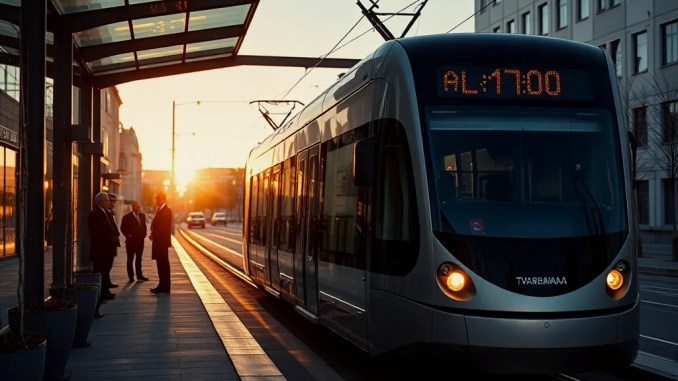
Bromma Airport–Ursvik Section Enters New Construction Tender
Stockholm Region has launched a new tender for approximately 3 kilometers of the Tvärbanan light-rail extension between Bromma Airport and Ursvik. The tender covers construction work only, based on detailed designs the region prepared and updated. Contractors will deliver civil works, track, electrification, signaling and telecoms under a single BEST-style contract, consolidating scope to reduce coordination delays and limit change-order risk during construction. The region expects to start works in spring 2027 if site conditions allow and plans three new stations at Solvalla, Rissne and Ursviks torg.
Why the BEST Construction Model Was Chosen and How It Works
The BEST (building, electrification, signaling, telecommunications, track) contract bundles multiple technical packages into one construction contract. Stockholm Region chose this to retain tighter control over implementation while allowing multiple separate subcontracts within a single legal framework. That approach reduces the number of separate interfaces the client must manage and aims to lower rework and delay risk by specifying detailed designs up front. The region assigned new design consultants in spring 2025, completed updated designs before issuing the tender, and decided in February 2026 that in-house-managed detailed design offered the most cost-effective route for this segment.
Contract Duration, Deliverables and Risk Allocation
Stockholm Region estimates the Bromma–Ursvik construction period at roughly 18 months. The tender requests a contractor who will execute works strictly to the client-supplied designs and accept responsibility for coordinated delivery of tracking, power, signaling and communications. Key risk allocations highlighted in the tender include ground condition variability, interface management with retained design documentation, and payment/guarantee requirements. The region emphasizes robust financial guarantees and adherence to contractual payment flows to subcontractors.
Why Gülermak’s Contract Was Terminated
SL (Stockholm public transport operator) originally awarded Gülermak a combined design-and-build contract in September 2020 to extend Tvärbanan from Bromma Airport to Helenelund, initially valued at SEK 1.3 billion. Following scope reductions—removing the Ursviks torg–Helenelund segment at the end of 2023—the contract value dropped to roughly SEK 700 million. SL terminated the contract in July 2024, citing Gülermak’s failure to provide contractual financial guarantees, late or insufficient payments to subcontractors and sustained cost and schedule overruns. Project management flagged the termination as creating immediate questions about which contract documents remain binding and how to restart work without exposing the authority to undue cost or legal risk.
Operational and Program Impacts from the Termination
Termination interrupted on-site activity and left construction yards largely idle for more than two years in places along the corridor. Project leads reported pressure to restart quickly but emphasized the need to reassess risk, verify as-built and design documentation, and secure new contractor guarantees before re-mobilising. The new tendering strategy specifically addresses these issues by separating detailed design responsibility under the region’s control and demanding stronger financial and payment protections from bidders.
Budget Evolution: Kista Extension Now at SEK 9.3 Billion
The Stockholm Regional Council approved a revised implementation decision on 17 February 2026 setting the total budget for the Tvärbanan Kista extension at SEK 9.3 billion, of which roughly SEK 9.2 billion is capital expenditure. The authority expects about SEK 2.4 billion in co-financing from the national government and municipalities. The revision extends the schedule: services to Ursviks torg are targeted for Q4 2028 and Helenelund for the end of 2029, assuming no major unforeseen events.
How the Investment Figures Changed Over Time
Investment figures for the extension rose steadily as the project matured and scope clarified:
Key decisions and original target openings
– 2016 implementation decision: SEK 4,937 million; opening planned for 2023.
– 2022 renewed decision: SEK 6,522 million; opening planned for 2025.
– June 2024 renewed decision: SEK 8,073 million; opening planned for 2026.
– 17 February 2026 renewed decision: SEK 9,179 million; Helenelund opening planned for end of 2029.
Practical Implications of the Budget Increases
The budget increases reflect inflation, scope adjustments and more robust risk provisions. Capital allocations remain nominal and not inflation-indexed in published figures. Revised timing separates intermediate openings (for example Ursviks torg or Norra Ursvik) from the final Helenelund milestone and allows the region to prioritise discrete sections to better manage cashflow and contractor capacity.
Preparations Continue for Ursvik–Helenelund Works
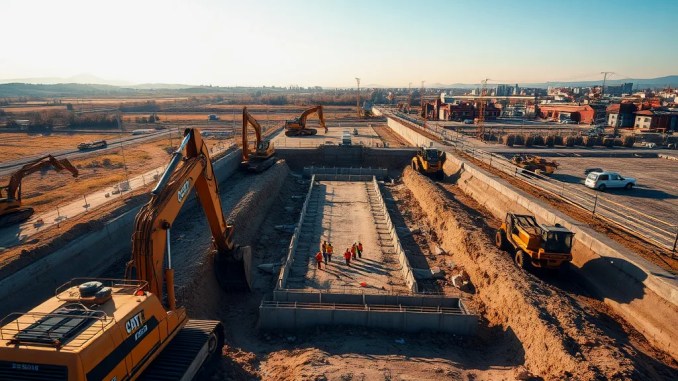
Stockholm Region continues preparatory work for the Ursviks torg–Helenelund stretch in Kista and plans to begin construction there in 2027. The region currently estimates that building the Ursviks torg–Helenelund section will take about three years, aligning with the revised 2029 completion target for Helenelund. Preparations include finalizing ground investigations, coordinating utility relocations, updating traffic management plans and tender packaging to match the BEST model used on the Bromma–Ursvik segment.
What Contractors and Local Stakeholders Should Expect Next
Contractors responding to the new tender should prepare to:
– Submit firm offers based on client-supplied designs with clear pricing for provisional sums tied to geotechnical uncertainties.
– Demonstrate financial strength and provide bank guarantees or performance bonds that meet SL’s stricter requirements.
– Present a detailed mobilization and sequencing plan to minimize disruption at active sites and to restart idled yards efficiently.
– Commit to transparent payment flows to subcontractors and to an integrated project execution plan covering track works, electrification, signaling and telecom.
Local stakeholders can expect staged work zones, temporary traffic adjustments around station sites, and phased openings intended to bring benefits earlier on priority sections while protecting long-term budgetary control.






Be the first to comment