
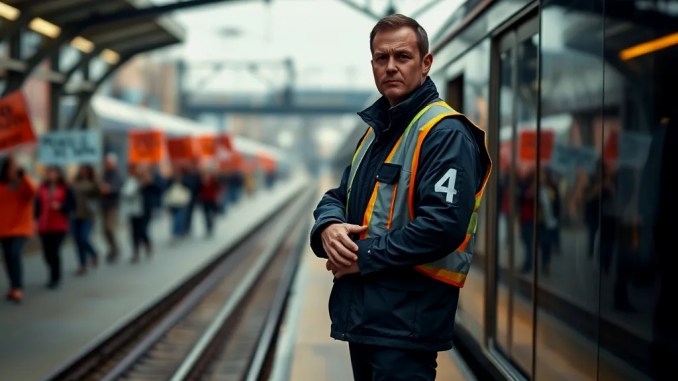
Overview of the strike and its causes
Train drivers employed by Renfe launched a 24-hour work stoppage after two high‑speed train disasters earlier in 2026. The action, called by the Semaf union, demands structural safety reforms across the rail network. The union began the first 24‑hour action at midnight on 10 November and scheduled further stoppages on 12 and 17 November as part of a three‑day strike mandate when promised safety measures were not implemented.
Exact strike timetable and format
The second strike day, 12 November, will follow three discrete work stoppage windows: 06:20–09:20, 14:20–17:20, and 21:20–23:20. The staggered windows aim to maximize operational pressure during morning peaks, afternoon travel periods and evening services while aligning with union tactics to highlight service vulnerabilities at critical demand times.
Government minimum service rules and practical effects
The Spanish Ministry of Transport immediately invoked minimum service levels to prevent a total shutdown. The ministry set targeted coverage as follows: suburban trains — 75% during peak hours and 50% off‑peak; high‑speed trains — 72% of scheduled services; freight — 20%. Despite these guarantees, many passengers experienced cancellations and long queues at stations, particularly during the morning peak when scheduled reductions and crew shortages combined to produce delays.
Details of the two fatal accidents driving the dispute
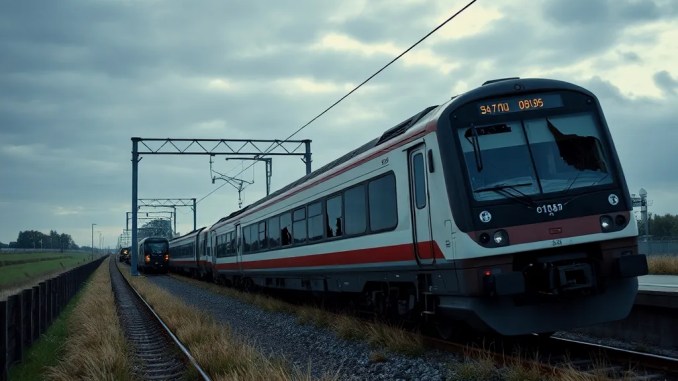
Two catastrophic events this year underpin the dispute. On 18 January a high‑speed train derailed near Adamuz in the Córdoba province, killing 46 people. On 28 October two high‑speed trains collided near Urda in the Toledo area, leaving 69 dead. These incidents intensified scrutiny of both infrastructure maintenance and operational procedures. The October crash prompted the Transport Minister, Óscar Puente Santiago, to resign and push the government to promise new safety initiatives—promises the union says remain insufficient and too slow.
Union demands: what they want and why
Semaf lists specific, structural reforms rather than one‑off fixes. Their demands include comprehensive track and signaling audits on high‑speed corridors, mandatory fatigue and rostering reforms for drivers, accelerated rollout of automatic train protection systems where absent, and a transparent timetable for infrastructure repairs with independent oversight. The union frames these as measurable, time‑bound changes rather than general commitments.
How the strikes affect passengers and freight movement
Commuters faced reduced suburban services and altered timetables during strike windows, increasing crowding on guaranteed trains. Long‑distance and high‑speed passengers saw selective cancellations despite the 72% coverage order. Freight operators reported bottlenecks where only 20% of services ran, impacting time‑sensitive cargo flows and supply chains that rely on rail links between key logistics hubs.
Practical steps passengers can take during strike days
Passengers can reduce travel disruption by following a few concrete steps:
1. Check official timetables early: Confirm Renfe service bulletins and ministry notices 24–48 hours before travel. Scheduled coverage changes frequently during industrial action.
2. Shift departure times: When possible, travel outside strike windows or use guaranteed peak services to avoid canceled trains.
3. Use multimodal alternatives: Consider long‑distance buses, carpooling, or domestic flights for critical journeys. For freight shippers, plan alternate routes or temporary modal shifts to road haulage.
4. Buy flexible tickets: Favor refundable or changeable tickets and keep receipts if seeking refunds or compensation for cancellations.
Impact on public policy and upcoming election context
The strike and the safety debate come amid political sensitivity: early elections are scheduled for 29 November. Rail safety and transport reliability have become prominent campaign issues. The government faces pressure to deliver rapid, verifiable measures before the vote, while the union uses industrial action to increase public visibility and political leverage.
What measurable safety improvements could reduce future risk
Concrete interventions that experts typically recommend and that unions demand include:
– Network‑wide signaling upgrades: Speed limit enforcement and automatic braking systems on high‑speed lines where gaps remain.
– Targeted infrastructure investment: Timetabled replacement of aging track panels, switches and drainage that contribute to derailment risk, backed by independent inspection.
– Operational reforms: Revised rostering to limit consecutive driving hours, real‑time fatigue monitoring pilots, and a refreshed safety culture with near‑miss reporting protected from reprisal.
Possible timelines and enforcement mechanisms
To be credible, reforms require clear milestones: a 3‑month audit phase with public findings, a 6–12 month remediation plan for critical sections, and a 24‑month rollout for technology upgrades like continuous automatic train protection. Independent oversight—through an expert panel with union and representation ministry—provides transparency and enforcement capability.
Likely next steps and scenarios
Short‑term: further targeted stoppages if negotiations stall and the union judges government responses insufficient. Medium‑term: emergency funding packages and accelerated safety projects may be announced to restore confidence. Long‑term: legal and regulatory reviews could mandate higher minimum safety standards across both infrastructure and operations, altering procurement and maintenance cycles.
Key takeaways for readers
The strike responds to deep concerns triggered by two fatal crashes. Drivers seek concrete, time-bound safety reforms rather than verbal assurances. The government has applied minimum service rules to limit disruption, but operational and political pressures will determine whether rapid reforms follow. Passengers and shippers should plan proactively around announced strike windows and use flexible travel options where feasible.





Be the first to comment