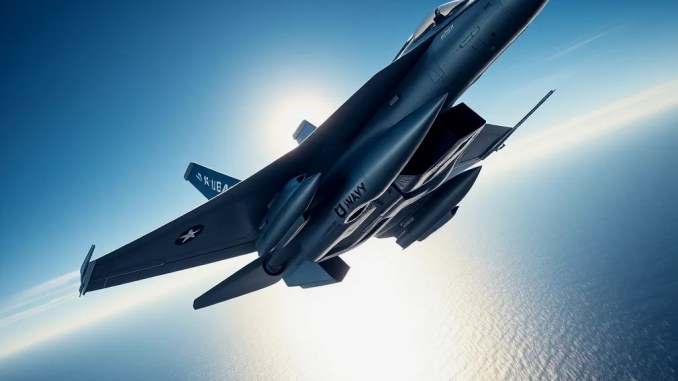
Unveiling the Mystery Behind the ‘Kill Mark’ on the US Super Hornet
In a starting development that could shift the balance of naval power in the Middle East, a US Navy F/A-18F Super Hornet dares to sport a mysterious symbol—a ‘kill mark’—depicting an Iranian submarine’s silhouette. This visual not only raises eyebrows but also prompts critical questions: Has the USS Lincoln’s air wing successfully neutralized an Iranian subsurface threat? What does this signify for regional security dynamics? And more intriguingly, which Iranian submarine was targeted? As we delve into this question, the picture becomes clearer, yet more complex, revealing a web of strategic operations and technological prowess.
The Significance of the ‘Kill Mark’—A Historic Trophy in the Air Combat Arsenal
The ‘kill mark’ is a symbolic badge of honor displayed by military aircraft to commemorate the destruction of an enemy target. Historically, these marks serve as a visual record of combat achievements, often sparking debates about accuracy, attribution, and symbolism. In modern naval aviation, the display becomes even more significant, reflecting the accomplishment of complex strike missions involving precision-guided munitions against advanced adversaries.
When the Super Hornet bore an image of a submarine silhouette, it might seem trivial at first glance. Still, it embodies a narrative of dominance and technological superiority, especially when considering the clandestine nature of undersea warfare and the rarity of publicly confirmed Iranian submarine losses. Such symbols have the power to project strength—both domestically and internationally—and serve as psychological tools in asymmetric conflicts.
Decoding the Illustration: Which Iranian Submarine Caught the Sonar-Devouring F-18’s Attention?
The question of which Iranian submarine was targeted remains at the heart of this intrigue. Iran operates a modest but strategically significant submarine fleet, primarily integrating Russian Kilo-class models and domestically produced Ghadir-class vessels. The silhouettes depicted on the Super Hornet’s nose suggest a classic submarine profile, heightening speculation about the specific class involved.
- Kilo-Class Submarines: Known for their quiet underwater profile and formidable capabilities, these subs form the backbone of Iran’s undersea force. Multiple Kilo-class units operate in regional waters, often tasked with patrol and surveillance missions.
- Ghadir-Class Submarines: These smaller, domestically built vessels primarily serve coastal defense roles. While less capable than Kilo-class, their strategic value remains significant in Iran’s anti-access/area denial (A2/AD) theater.
Given the silhouette’s appearance and recent regional tensions, analysts posit that the targeted vessel could be a Kilo-type submarine, possibly an older or more vulnerable unit subject to American or allied covert operations.
Why Might the Super Hornet Have Targeted an Iranian Submarine?
The operational context underlying such a strike involves multiple strategic considerations:
- Preventing Escalation: Iran’s submarine fleet, though limited, can threaten navigation corridors and influence regional military balance. Neutralizing specific vessels avert escalation and protect allied shipping lanes.
- Show of Force: The visible ‘kill mark’ acts as a deterrent, showing the US’s capabilities to Iran and its regional partners, deterring future submarine incursions.
- Intelligence Gathering: Engagements like this serve as real-world test cases for assessing the effectiveness of anti-submarine warfare (ASW) strategies and technologies.
The role of the Super Hornet here combines advanced sensors, sonars, and targeting systems—highlighting the aircraft’s evolving multi-domain warfare role.
Why the Kilo Class? The Strategic and Technical Rationale
The Russian-made Kilo-class submarine represents a core threat to US naval dominance in the Persian Gulf and Strait of Hormuz. Its operational advantages include:
- Superior Silence: Designed for stealth, Kilo-class subs can operate covertly, making detection difficult for conventional ASW assets.
- Effective Armament: Equipped with torpedoes and anti-ship missiles, they threaten large surface vessels, including aircraft carriers and amphibious ships.
- Regional Relevance: Iran’s Kilo vessels serve both offensive and defensive vessels. roles, conducting surveillance, blockade, and reconnaissance missions.
Neutralizing such a vessel signals a strategic shift, emphasizing technological superiority and tactical precision in undersea warfare.
Iran’s Domestic Submarine Development and Its Impact on Security
Iran’s pursuit of indigenous submarine technology has gained momentum, with vessels like the Fateh and Ghadir classes representing efforts to bolster littoral defense. Nevertheless, these smaller, less advanced submarines face limitations against modern ASW capabilities. The suspected targeting of a Kilo-class submarine underscores Iran’s vulnerabilities and the US Navy’s resolve to dominate regional undersea conflicts.
Other Key Operations and Technologies Involved
The recent strike is part of a broader operational framework involving multiple platforms:
- Fuzed Land-Attack Missiles: Used for precision strikes; capable of targeting fixed and mobile underwater threats.
- Unmanned Underwater Vehicles (UUVs): Emerging as active sensors and weapons, UUVs complement manned aircraft in complex anti-submarine raids.
- Fires and ISR Platforms: The integration of ISR (Intelligence, Surveillance, Reconnaissance) assets with strike platforms enhances target tracking and engagement precision.
What Does This Mean for Future Naval Conflicts?
This visual and operational development signals a notable escalation in the undersea domain of the Iran-US conflict. It demonstrates the US Navy’s commitment to maintaining sea dominance and the evolving nature of modern naval warfare. As adversaries develop more sophisticated undersea platforms and countermeasures, expect persistent technological advancements, including enhanced stealth, sensor suites, and multi-platform integration.
Summary: A Strategic Message in the Sky and Seas
The Super Hornet’s display of a submarine silhouette as a kill mark is more than symbolic—it reflects a calculated display of military prowess and a tactical message. Confirmed or not, the trove of operational intelligence surrounding this event underscores the high-stakes game of underwater warfare in the Middle East, where technological superiority can shape geopolitical outcomes.
FAQs
What does a ‘kill mark’ on a military aircraft typically represent?
A ‘kill mark’ indicates a confirmed destruction of an enemy target, serving as a symbol of the aircraft’s combat success.
Has the Iranian submarine been officially confirmed as destroyed?
No official confirmation exists; the silhouette and context lead to speculation, but definitive proof remains classified or undisclosed.
Why is the Kilo-class submarine significant in this context?
The Kilo-class is highly advanced for its quietness and combat capabilities, making it a prized target for anti-submarine operations.
Can such symbols impact geopolitical strategies?
Yes, they serve as psychological tools, deterrents, and signals of military strength or success, influencing regional and global perceptions.
What technologies assist the US Navy in detecting and targeting submarines?
Advanced sonar arrays, anti-submarine aircraft, unmanned underwater vehicles, and integrated ISR systems form the backbone of modern ASW tactics.