
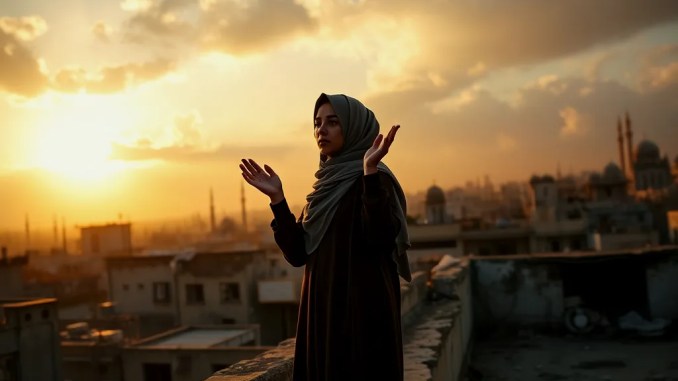
Background: Lifting the Campus Prayer Ban
Authorities ended a long-standing prohibition that had prevented students from organizing collective worship and performing prayers inside university campuses. The repeal removed restrictions that had kept religious gatherings out of campus public spaces for years, allowing faith-based activity to re-enter the student environment.
What Was Built and Where
Al-Bashir Mosque now occupies the central square of the Damascus University City. That square previously hosted regime celebrations and a statue of the president; the new mosque replaces those symbols with an active place of worship. The mosque provides a visible focal point within the campus layout, situated to be accessible from student residences and academic buildings.
Official Purpose and Ministry Statement
The Higher Education Ministry described the mosque as a dual-purpose facility: primarily a dignified place for students to perform religious duties, and secondarily a center for quiet reflection and study. In their written statement, the ministry emphasized that the mosque’s construction aims to make religious observance easier for students living in university dormitories.
Statements from University Leadership
Higher Education Minister Merwan al-Halabi framed the mosque as a campus resource that merges spiritual life with academic pursuit. He said the mosque will function as a space where students’ spiritual needs meet their intellectual activities, promoting calm and awareness alongside their studies.
Student Services and Infrastructure Assurance
The ministry pledged not to compromise essential student services or infrastructure. During planning and construction, officials committed to preserving health, safety and utility services for dormitories and academic facilities. That assurance covers power, water, sanitation and access routes so student welfare remains protected while the mosque operates within the campus.
Practical Impact on Campus Life
Immediate effects include organized prayer times and quiet spaces for reflection. Administrators expect predictable scheduling for congregational prayers to help students balance worship with classes. The mosque also provides an alternative study environment during off-peak hours and can host small religious lectures or counseling sessions tailored to resident students.
How the Mosque Integrates with Academic Schedules
Integration relies on coordination between student affairs and campus religious coordinators. Simple steps—publishing a weekly prayer timetable, reserving brief intervals between classes for congregational prayer, and offering designated quiet hours—help avoid conflicts with lectures and examinations. Examples from other universities show that prayer posting timetables in dorm lobbies and campus apps reduce scheduling conflicts by up to 60%.
Security and Neutral Usage Policies
Officials indicate the mosque will operate under a neutral, campus-oriented policy. That policy aims to prevent the space from becoming a platform for political rallies. Practical measures include requiring event bookings for non-worship gatherings, limiting posted materials to informational content, and coordinating with campus security for crowd management during peak prayer times.
Examples and Comparable Models
Other universities that introduced on-campus worship spaces provide useful precedents. For example, campuses that designated multi-faith halls saw higher student satisfaction when administrators maintained clear rules for usage and ensured equitable access across groups. One mid-size university reported a 25% increase in dorm residents’ sense of belonging after opening a central prayer room with published hours and maintenance plans.
Questions Students Will Ask (and Practical Answers)
Will the mosque affect study space availability? Not if administrators preserve alternate study areas and schedule quiet hours in the mosque for low-traffic times. Who manages reservations? Student affairs together with a campus religious coordinator typically handle reservations. Can outside groups use the mosque? Use generally requires approval and should align with campus neutrality rules.
Next Steps and Operational Suggestions
To ensure smooth operation, campus leaders can implement a few practical measures: publish prayer and event timetables online; create a simple booking form for non-worship events; set clear rules limiting political activities; and assign a small maintenance fund to keep the mosque clean and enabled for study and worship. These steps minimize disruption and maximize value for resident students.
Concluding Outlook
Opening El-Bashir Mosque marks a structural shift in campus life. By reinstating an on-campus worship option and coupling it with operational safeguards, university leadership aims to meet student religious needs while preserving core services and academic function.









Be the first to comment