Revolutionizing Gautrain’s Future: A Strategic Leap in Urban Transit
The Gautrain rapid rail system is on the brink of a significant transformation, driven by Alstom’s commitment to modernize South Africa’s premier commuter line. This overhaul is not just about adding new trains; it’s a comprehensive revamp of infrastructure, technology, and passenger experience, designed to elevate Gautrain into a world-class transit system with increased capacity, efficiency, and sustainability.
Why This Turnaround Is a Game-Changer for Urban Mobility
Urban centers worldwide grapple with congestion, pollution, and outdated infrastructure. Gauteng’s Gautrain stands out as a pioneering solution, aiming to provide a seamless, eco-friendly alternative. With Alstom’s recent victory in the 15-year concession renewal, the system will expand dramatically, positioning itself at the forefront of smart urban transportation.
Transformative Scale of Investment and Expansion
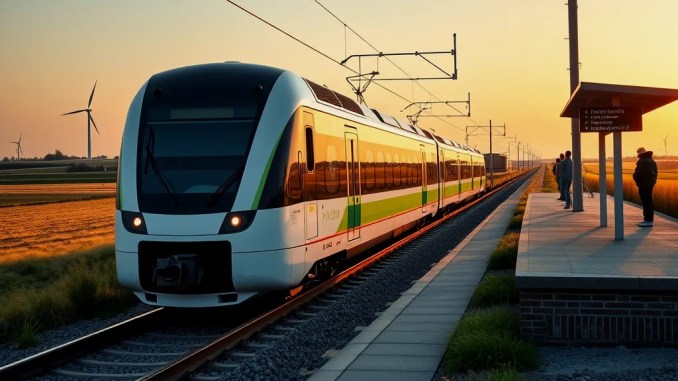
The core of this renewal involves an €800 million investment, reflecting a bold vision for the future. This budget covers not only the procurement of 8 state-of-the-art trains—each with four carriages—but also critical upgrades to signaling, communication, and maintenance systems. Such investments will nudge Gautrain to handle more passengers, operate more reliably, and do so with a significantly reduced carbon footprint.
Manufacturing and Deployment: A Local Innovation Hub
Gautrain’s new fleet will be built domestically within South Africa. Alstom’s Ubunye facility, located in Gauteng, will serve as the production hub. This strategy leverages local expertise, creates jobs, and ensures faster, more responsive maintenance and upgrades. The new trains are expected to bolster the current fleet from 24 to 32 units, each designed for optimal energy efficiency and passenger comfort.
Enhancing Capacity and Service Frequency
The primary goal of increasing the fleet size is to boost capacity—during peak hours and for upcoming growth in commuter numbers. Metro expansion plans include more frequent services outside hours rush, reducing wait times, and offering a more flexible travel schedule for residents. Expectations also include improved synchronization with feeder buses and increased security features, such as wider Wi-Fi access and real-time information displays, making journeys more convenient and engaging.
Modernization of Infrastructure and Signaling Systems
Modern infrastructure forms the backbone of this upgrade. The current signaling system, which controls safe train operations, will be overhauled with state-of-the-art technology capable of handling increased train frequencies without sacrificing safety. This includes digital communication protocols, real-time tracking, and remote diagnostics, which collectively enhance operational efficiency and reduce downtime.
Passenger Experience: From Ticketing to Comfort
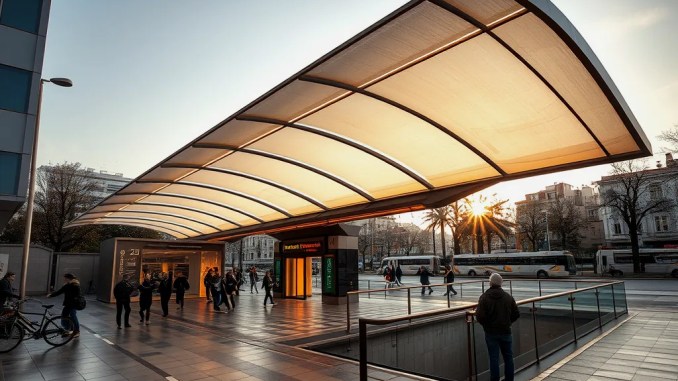
In an era where digital is king, Gautrain aims to implement a comprehensive digital ticketing platform compatible with mobile devices, turning traditional paper tickets into virtual, user-friendly solutions. This transition will streamline boarding processes, reduce queues, and enable personalized travel data collection to further improve services. On the comfort front, station renovations will include enhanced waiting areas, modernized platforms, and improved accessibility features to cater to diverse passenger needs.
Environmental Sustainability: Leading by Example
Alstom’s commitment aligns with global efforts to combat climate change. The new fleet will rely heavily on renewable energy sources, targeting a 30% reduction in energy consumption from traditional sources. Solar panels, energy-efficient lighting, and eco-friendly materials will feature prominently in station upgrades. This approach not only minimizes carbon footprint but also sets a benchmark for sustainable urban transit.
Operational and Maintenance Strategies for Longevity
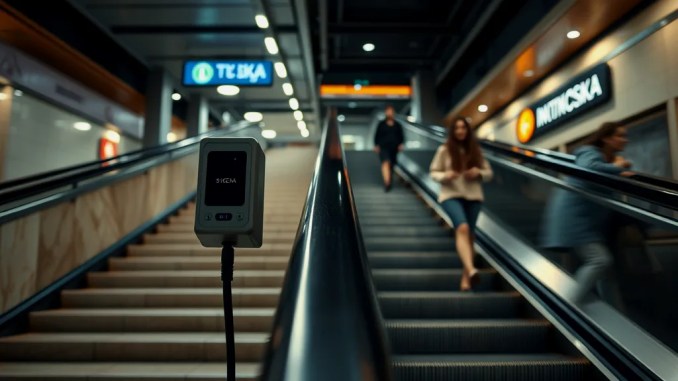
Long-term success hinges on effective maintenance. The new infrastructure will incorporate predictive maintenance protocols using IoT sensors and data analytics, identifying potential issues before they escalate. The goal is to ensure maximum uptime, reduced repair costs, and extending the lifespan of the entire system—making Gautrain not just a modern transit option but an enduring one.
Strategic Timeline and Implementation Phases
While exact dates remain under wraps, the plan envisions new trains arriving by 2026-2027, with phased station upgrades occurring simultaneously. The focus remains on minimal disruption during transition periods, ensuring continuous service. Collaboration among government, Alstom, and local industries will be vital for timely delivery and operational excellence.
Economic and Social Impact for South Africa
This initiative promises widespread economic benefits—creating hundreds of jobs, stimulating local industry, and encouraging urban development. As Gautrain becomes more accessible and reliable, it will catalyze further investment in Gauteng’s infrastructure, fostering social inclusion and regional growth.
Conclusion: Setting a New Standard in Urban Rail
Alstom’s renewal of Gautrain represents a bold step into the future of sustainable urban transit. With innovative trains, upgraded systems, and passenger-centric services, Gautrain will become a model for African cities seeking to modernize their transportation networks. This project exemplifies how strategic investment and technological innovation can redefine city living—making daily commutes faster, safer, and greener.
Frequently Asked Questions
- When will the new Gautrain trains start operating? The new fleet is expected to arrive and begin service around 2026-2027, with phased implementation to ensure continuous operation.
- How many trains will be added during this upgrade? Eight new four-carriage trains will be introduced, increasing the fleet from 24 to 32 units.
- Will the upgrades improve travel capacity? Yes, the expansion and modernization aim to significantly increase system capacity and reduce waiting times.
- Are these improvements environmentally friendly? Absolutely. Targeting a 30% reduction in energy consumption and reliance on renewable sources underscores the commitment to sustainability.
- What benefits will passengers see in the new system? Improved comfort, faster services, digital ticketing, wider Wi-Fi access, and improved station facilities will transform the travel experience.