
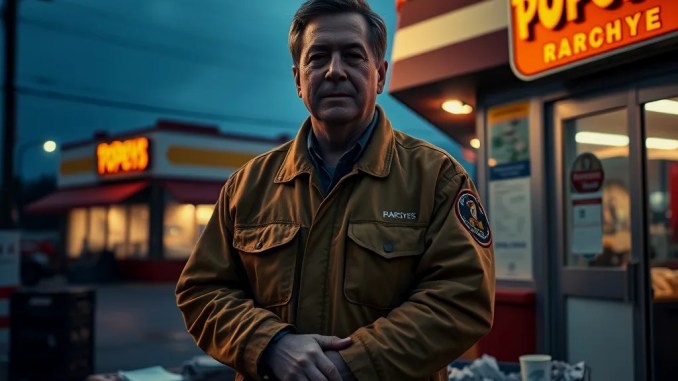
Restructuring Deal Brings Sailormen Closer to Exiting Chapter 11
Sailormen Inc., a major US franchise operator for Popeyes, is poised to exit Chapter 11 after a court-ready agreement to restructure more than $129 million in debts. The Miami-based company filed for bankruptcy protection in January 2026, closed 39 restaurants in Florida and Georgia, and sold 97 locations to multiple buyers. A US Bankruptcy Court judge’s anticipated approval will convert the sales proceeds and creditor concessions into a practical plan to restore operating stability and resolve claims.
How Much Debt Did Sailormen Carry and What Will Restructuring Do?
At the peak of the filing, Sailormen reported total liabilities approaching $342 million. The restructuring focuses on three concrete levers:
1) Asset sales: Transfers of 97 restaurants generated $16.6 million in proceeds earmarked for creditor distributions and transitional operating costs.
2) Creditor concessions: Several secured and unsecured creditors agreed to reduce or extend claims, allowing the company to convert short-term liquidity pressure into longer-term payment structures.
3) Cost elimination: Closing 39 underperforming locations and offloading lease obligations immediately reduced recurring monthly cash burn—judicial filings estimate savings exceeding $1 million annually, improving breakeven prospects.
Which Buyers Acquired the Restaurants and What Changes Follow?
Buyers included regional operators such as Pulse Restaurant Group and transfers back to Popeyes Corporate in selected markets. Buyers typically assumed operating control, negotiated new lease terms, and in some cases invested in modest remodels and localized marketing to restore comparable-store sales. Those moves aimed to preserve jobs at retained locations while allowing Sailormen to shed legacy lease liabilities.
Why Did the 2023 Sale Collapse and How That Worsened the Crisis
In 2023, Sailormen agreed to sell 16 Georgia restaurants to Tar Heels Spice, but the transaction collapsed in the final stages. Consequences included:
– Continued lease obligations: Sailormen remained responsible for rent payments on properties intended for divestiture, adding months of unexpected cash outflow.
– Legal disputes: Negotiation breakdowns produced creditor friction and potential litigation costs, increasing administrative expenses in the bankruptcy estate.
– Opportunity cost: Management diverted attention and resources to attempted sale remedies instead of executing other stabilization measures, accelerating liquidity strain.
What the Sales Proceeds Cover and Creditor Compromises
The $16.6 million from the 97-location disposition was allocated to a prioritized schedule of claims. Practical applications included interim credit or payments to reduce immediate pressure, funding for transition-related severance and lease assignments, and modest working capital to keep remaining restaurants operational while the restructuring plan was finalized. Importantly, several creditors accepted partial write-downs or extended repayment terms that make the post-bankruptcy capital structure more sustainable for Sailormen.
Impact on Popeyes Brand Performance in the US
While Sailormen’s proceedings affect a subset of franchise locations, Popeyes’ broader US footprint also showed strain. In Q1 2026, comparable-store sales for Popeyes in the US fell by roughly 6.5% versus the prior approximately year—a decline that translated to $190 million in reported revenue for the quarter and marked one of the weakest quarterly performances in two decades. Factors behind the drop include shifting consumer habits, higher input and labor costs, and localized market disruptions tied to franchisee instability.
What Happens Next: Court Approval and Operational Steps
If the bankruptcy court approves the restructuring agreement, Sailormen will follow a sequenced path:
Step 1: Finalize distributions and execute lease assignments for sold units.
Step 2: Implement the creditor repayment timetable, including any negotiated haircuts or extended maturities.
Step 3: Right-size remaining operations—concentrate capital on profitable units, renegotiate supplier contracts, and invest selectively to improve speed-of-service and build localized demand.
Successful execution reduces the chance of conversion to liquidation and preserves value for creditors, employees, and brand partners.
Practical Lessons for Franchise Operators and Landlords
Sailormen’s experience highlights actionable points for other franchisees and landlords:
– Maintain liquidity buffers: Multi-unit operators need contingency capital to weather lease and labor cost shocks.
– Structure sale agreements with robust exit conditions: Include clear remedies and escrow terms to avoid reopening lease exposure if a buyer fails to close.
– Communicate early with franchisors and creditors: Cooperative restructuring often yields better outcomes than adversarial litigation that drives up administrative costs.
Bottom Line
Sailormen’s restructuring illustrates a common Chapter 11 path: shutter weak units, sell marketable assets, negotiate creditor concessions, and emerge with a leaner operating footprint. The court’s expected approval will be the pivotal step converting negotiated settlements into enforceable obligations and giving Sailormen a workable runway to stabilize remaining Popeyes locations under its control.









Be the first to comment