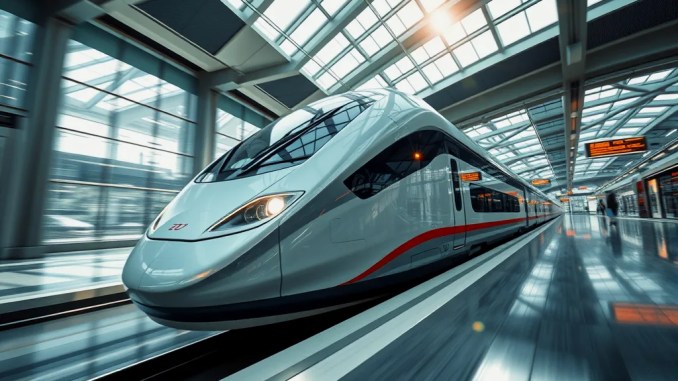
The high-speed rail project connecting Toronto to Montreal stands at a crossroads. With costs soaring well beyond initial estimates, skeptics grow louder, warning of potential overruns that could cripple the nation’s infrastructure ambitions. Meanwhile, supporters insist that with precise planning and legal reforms, this project could revolutionize eastern Canadian transit, boosting economic growth and regional integration. But crucial questions remain: How much will this ambitious route truly cost? What risks threaten to inflate the final figure? And can recent legal and engineering advancements mitigate those risks? Understanding the full scope of Canada’s high-speed rail project demands a deep dive into recent analyses, international comparisons, and potential pitfalls. Here’s everything you need to know—delivered with the clarity that outranks outdated or incomplete reports. ## The Cost Estimation: From $75 Billion to Over $113 Billion The latest budget evaluation by the Canadian Parliamentary Budget Officer reveals a staggering cost range for the 850-kilometer route. While initial government estimates hovered between $60 billion and $90 billion, new calculations set the upper limit at over $113 billion, with a median estimate standing at about $75 billion. This wide variance reflects uncertainties in engineering, land acquisition, and potential delays. What drives such discrepancies? – Route Complexity: The route primarily stretches through densely populated regions, requiring extensive tunneling beneath Mount Royal and dense urban centers. These sections pose significant engineering challenges. – Geological Factors: Crossing the Canadian Shield techniques near Ottawa involves complex bedrock, necessitating sophisticated tunneling, which drastically increases costs. – Urban Construction: Parts of the route in metropolitan areas demand elevated tracks or underground tunnels, further inflating expenses. ## International Lessons: Risks and Cost Overruns Looking beyond Canada, several high-profile projects illustrate the dangers of underestimating budgets. The UK’s High Speed 2 (HS2) project doubled its original estimate — from approximately £30 billion to over £70 billion. Similarly, California’s high-speed rail has faced repeated cost escalations, pushing forecasts beyond $100 billion. What do these cases teach? – Delayed Timelines: Unforeseen ground conditions, bureaucratic hurdles, and technical delays cause project timelines to extend, exponentially increasing costs. – Material Price Fluctuations: Internationally, rising steel, concrete, and labor prices have significantly added to project budgets. – Legal and Environmental hurdles: Increased litigation and environmental assessments also lead to higher expenses. Therefore, the Canadian project must incorporate these lessons, especially regarding schedule management and detailed site assessments, to avoid similar pitfalls. ## The Role of Advanced Engineering and Legal Reforms Recent legal reforms aim to accelerate approvals, reduce delays, and streamline land acquisitions, which historically inflate project costs. The new laws, effective from 2025 and 2026, enable a unified environmental review process and prioritize land procurement for high-speed rail. – Simplified Permitting: By consolidating environmental assessments into a single process, the project expects to reduce regulatory delays. – Land Acquisition Priority: New statutes give projects a legal advantage, expanding land purchases and reducing legal disputes. These reforms, combined with innovative engineering solutions—such as tunnel boring machines capable of handling complex geological conditions—aim to keep costs in check. Yet, uncertainties about tunneling through the Canadian Shield continue to loom, with estimates suggesting that every additional kilometer of tunnel adds approximately $169 million. ## The Geographical and Geological Challenges The route’s terrain dramatically influences its final price tag. Specifically: – Montreal’s Mount Royal Tunnels: A 15 km tunnel beneath Mount Royal could cost over $2.5 billion alone. – Ottawa’s Canadian Shield Crossing: About 130 km of the route involves traversing rugged bedrock, calling for advanced tunneling technology. – Elevated and Underground Sections: These sections are needed to skirt urban congestion but exponentially increase construction costs. Planning efforts focus on optimizing the route to minimize tunneling where possible, but optimizing must be balanced against geographic realities. ## Financial Risks: Delays and Cost Overruns Delays in high-speed rail projects rarely occur in isolation—they compound costs dramatically. Historical data shows that each year of delay can add roughly $1.5 billion to $2 billion in expenses. Factors that threaten to push the timetable include: – Extended permitting processes – Land acquisition disputes – Unanticipated geological conditions – Environmental review prolongations Given this, project managers insist on thorough pre-construction site surveys and risk assessments. The adoption of modular construction techniques and early contractor involvement (ECI) can help mitigate some risks. ## The Economic Impact and Potential Benefits Beyond costs, the project promises substantial economic returns: – Boost to GDP: The construction alone could add approximately $1.8 billion to the Canadian economy annually during peak years. – Employment: Thousands of jobs will be created, peaking at 9,000 during construction. – Regional Development: Faster links between Toronto, Montreal, and Ottawa will enhance regional connectivity, potentially reducing travel times by hours. – Environmental Gains: Electrified rail offers a cleaner alternative to cars and planes, significantly reducing carbon emissions. While these benefits are promising, realizing them hinges on completing the project within budget and schedule. ## Conclusion: Navigating Uncertainty to Unlock Canada’s High-Speed Future The high-speed rail project symbolizes Canada’s ambitions for modern infrastructure but faces tangible budgetary and technical hurdles. Recognizing international pitfalls, adopting reforms, and leveraging cutting-edge engineering are critical steps to avoid costly overruns. Planning must stay flexible, considering geographical complexities and legal frameworks, while maintaining clear communication with stakeholders. Ultimately, the path to transforming eastern Canadian transit depends on meticulous planning, realistic budgeting, and adaptive management—transforming potential risk into strategic advantage. ## FAQs – What is the estimated cost of Canada’s high-speed rail? The cost ranges from approximately $75 billion to over $113 billion, depending on final route and conditions. – What are the main risks? Geological complexities, legal delays, engineering challenges, and project delays pose the greatest risks. – How can reforms reduce costs? Streamlining permits, accelerating land acquisition, and simplifying environmental reviews can reduce delays and expenses. – What benefits will the rail bring? Improved connectivity, economic growth, job creation, and environmental benefits. – Are similar projects prone to overruns globally? Yes, projects like HS2 in the UK and California High-Speed Rail have experienced significant cost escalations and delays.