Madrid’s Housing Crisis Sparks Uprising: The Fight to Keep Long-Time Residents in Their Homes
In Madrid, a city renowned for its vibrant culture and rich history, a growing crisis quietly erodes the lives of countless residents. Among them is Mari Carmen, who has lived in her apartment for over 70 years. Her story symbolizes a broader struggle that has ignited protests and brought urgent attention to Spain’s escalating housing problem. As income disparities widen and real estate prices soar, long-term tenants face eviction at an unprecedented rate, forcing many into homelessness or unstable living conditions.
Who Is Mari Carmen and Why Her Eviction Matters
Mari Carmen’s story echoes the experiences of thousands of tenants across Madrid and the rest of Spain. Despite her deep-rooted presence in her neighborhood, recent legal rulings, driven by rising rents and aggressive landlord tactics, threaten her stability. Her eviction, ordered after decades of housing, reflects a systemic issue: the displacement of vulnerable populations due to unaffordable housing costs. This has sparked a wave of demanding reforms that prioritize housing as a human right rather than a commodity.
The Role of Tenant Unions and Civil Society in Mobilization
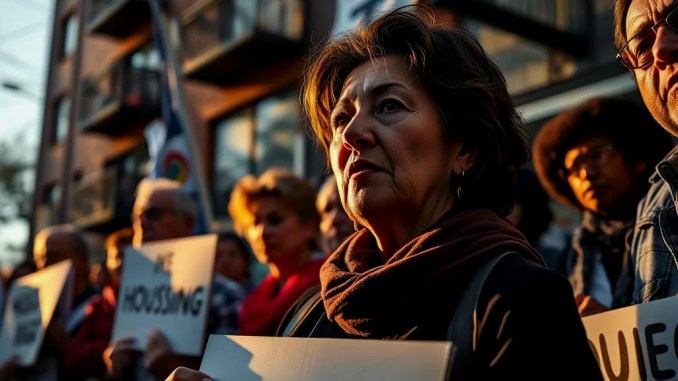
In response, tenant unions, housing advocacy groups, and civil society organizations have rallied together. Their purpose is to pressure policymakers and demonstrate the strength of collective resistance. They organize large demonstrations, sit-ins, and camps in public squares to highlight the urgency of the situation. Notably, in Madrid’s Sol Square, activities have established makeshift camps, echoing historic protest movements and drawing international attention to the housing crisis.
Government Initiatives and Their Limitations
The government announced potential measures, including new regulations on rent increases and eviction procedures, during the upcoming Cabinet meeting. However, protesters argue that these steps fall short. Limited scope, delayed implementation, and exemptions for large property owners undermine their effectiveness. Critics call for comprehensive policies such as rent caps, increased social housing development, and legal protections for tenants facing eviction.
How the Housing Crisis Affects the Broader Society
The repercussions extend beyond individual stories like Mari Carmen’s. Rising housing costs fuel socioeconomic inequality, contribute to urban gentrification, and displace long-standing communities. These changes threaten the social fabric and cultural diversity of Madrid and other major cities. If unaddressed, the crisis risks creating a class of permanently displaced residents, exacerbating social tensions.
Steps Residents Can Take to Protect Their Rights
- Seek legal advice: Understanding tenants’ rights can empower residents to oppose unjust evictions.
- Join or form tenant associations: Collective bargaining offers stronger leverage against landlords.
- Participate in prosecutions and advocacy campaigns: Public pressure can influence policymaker action.
- Utilize legal tools: Temporary bans on evictions and rent freezes can provide relief during crises.
Future Outlook and Sustainable Solutions
Addressing Spain’s housing crisis requires a multi-faceted strategy focusing on sustainability and social equity. Governments, urban planners, and civil society must collaborate to expand affordable housing, regulate speculation, and protect tenants’ rights. International examples, such as Vienna’s social housing model, demonstrate effective approaches that prioritize community stability over profit.
Why This Issue Should Matter to Everyone
Housing affordability is a fundamental human right. When it falls, entire communities are destabilized, and social cohesion suffers. As global urban centers face similar pressures, learning from Madrid’s struggles highlights the importance of proactive policies that ensure housing security for all residents. Addressing these challenges today helps prevent future crises and fosters resilient, inclusive cities.
Conclusion: The Urgent Need for Action
The ongoing protests in Madrid serve as a wake-up call: housing affordability is no longer a distant problem but a pressing reality that demands immediate intervention. Mari Carmen’s story is just one of many that underlines the importance of safeguarding housing rights. It is a collective responsibility to demand policies that prioritize human dignity over real estate speculation and to build a future where everyone has a place to call home.
FAQs
Q: What are the main causes of Madrid’s housing crisis?
Rising real estate prices, speculation, gentrification, stagnant wages, and insufficient affordable housing supplies contribute to the crisis.
Q: How do tenant protests impact government policy?
Public demonstrations raise awareness, put pressure on policymakers, and can lead to tangible reforms when widespread and sustained.
Q: What successful models can Madrid adopt from other cities?
Many cities look to Vienna’s social housing system, which emphasizes long-term affordability, high-quality design, and community participation, as a successful blueprint.
Q: How can residents protect themselves against eviction?
Seek legal guidance, join tenant associations, and stay informed about local laws and rights. Collective action proves powerful in resisting unjust eviction notices.