
Storm Boelo struck Scotland with high winds and flooding, causing widespread disruption across the rail network. Crews worked through the weekend to clear fallen trees, pump floodwater and repair damaged overhead lines. Most routes reopened by Monday morning after safety inspections, but critical sections including Crianlarich–Oban and Inverness–Wick/Thurso remained closed; passengers should check services and prepare for delays.
Recovery teams: what they did and how they prioritized repairs
Network Rail crews prioritized routes by passenger volume and strategic importance. Teams first removed debris and made temporary repairs to overhead electrification where trains rely on continuous power. Where tracks sat under floodwater, crews pumped and inspected ballast stability before allowing traffic. In several locations engineers deployed track-gauge measurement tools and used portable generators to isolate and test damaged signaling equipment. For high-risk locations, Network Rail coordinated helicopter reconnaissance to identify fallen trees and landslip zones that teams could not safely access on foot.
Which lines reopened and which remained closed
By Monday most of the network had resumed normal or reduced services. Opened lines included many suburban and intercity corridors that had cleared quickly of debris. The two notable exceptions where full closures remained were Crianlarich–Oban and Inverness–Wick/Thurso; These routes required more extensive vegetation clearance and additional inspections for water-related structural damage. Passengers traveling on affected corridors received guidance to use advance-purchased tickets dated 24–25 October without extra charge on Monday services or to seek refunds and alternative travel arrangements.
On-the-ground methods: tools, inspections and safety checks used before reopening
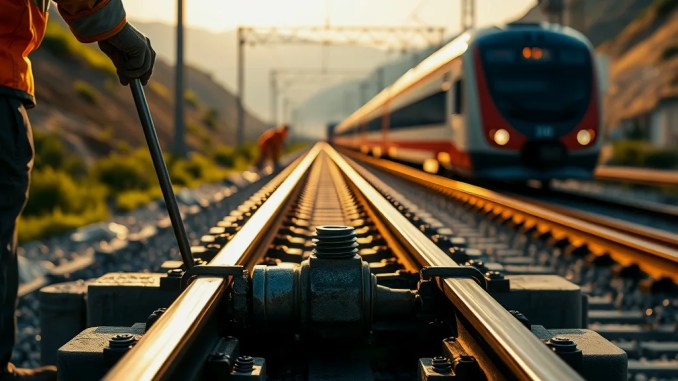
Crews followed a multi-step safety protocol before reinstating services. First responders conducted visual inspections for immediate hazards—collapsed telegraph poles, overhead line droop and obvious washouts. Next, specialist teams performed non-destructive testing of rails and fastenings, used portable ultrasonic equipment to detect rail fractures, and measured track geometry to ensure trains could pass at timetable speeds. Engineers then tested signaling circuits and power supplies, re-seated ballast where scour had occurred, and confirmed that drainage systems functioned. Only after a documented safety sign-off did signalers allow timetable movements, often initially under temporary speed restrictions.
Passenger guidance and practical alternatives during closures
Passengers affected by closures should take three practical steps: 1) confirm the status of their specific service on official operator sites or National Rail Enquiries; 2) consider flexible alternatives such as coach replacement services or combined rail-plus-bus options that operators publish for disrupted routes; 3) allow extra journey time because reopened lines frequently run with degraded capacity and altered timetables.
Why some sections take longer to reopen: technical and environmental reasons
Routes like Crianlarich–Oban and Inverness–Wick/Thurso pass through remote terrain with steep gradients and constrained access. Fallen trees and saturated embankments can conceal undermining of the track bed, requiring excavation and rebuilding of the subgrade. Overhead line equipment often behaves unpredictably after high winds; a single snapped mast can destabilize wiring across a long span, obliging engineers to replace or re-tension multiple supports rather than perform a simple repair. In coastal or riverside sections, scoured foundations and debris against bridges necessitate structural assessments by civil engineers before reopening.
How the response compares to previous storms and lessons applied
Network Rail applied procedures honed after Storm Amy in October 2025, when teams completed 40,000+ hours of repair work and managed hundreds of incidents across Scotland. Lessons included staging rapid-response vegetation teams earlier, pre-positioning pumps and generators where forecasts indicated heavy rain, and increasing coordination with local authorities to deploy highway recovery vehicles for debris removal. Those measures accelerated reopenings after Boelo but did not eliminate closures where access and structural repairs needed time.
Expected timeline for remaining repairs and what to expect next
For the two remaining closed corridors, engineers expect phased reopening: initial limited services under speed restrictions once debris and obvious hazards clear, followed by full restoration after permanent repairs to ballast, drainage and overhead line equipment. Timelines vary by site; minor reinstatement can take hours, structural repairs can take days. Operators will publish rolling updates; travelers should check before setting out and prepare for ongoing changes to timetables.








Be the first to comment