
Overview of the Change and Its Immediate Impact
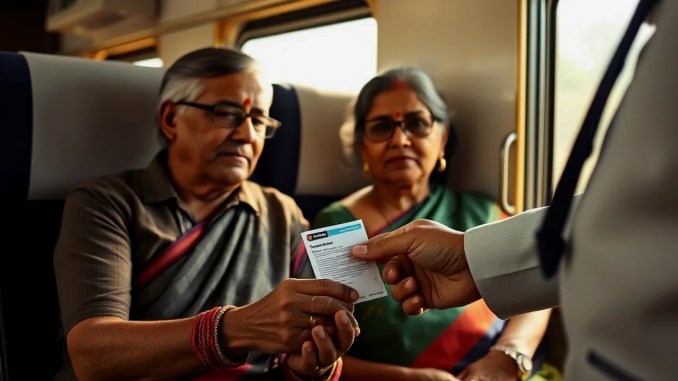
Indian Railways will extend optional travel insurance to passengers who purchase reserved tickets at PRS (Passenger Reservation System) counters starting 27 October 2026. The move implements the Supreme Court order that found it unfair to limit insurance coverage only to IRCTC e-tickets. From the effective date, passengers buying reserved tickets at station reservation counters will be offered the same opt-in insurance facility previously available only via online reservations.
How Passengers Will Enroll at PRS Counters
To enroll for insurance at a PRS counter, passengers must provide a mobile phone number and complete payment using a digital method. The phone number enables automated SMS confirmations about the insurance and PNR status. If a passenger chooses not to opt in, they must explicitly enter “NO” in the designated box on the counter form. This standardized opt-in/opt-out procedure ensures the PRS workflow remains fast while preserving passenger choice.
Why the High Court Required This Change
The Madras High Court bench of Justices Ahsanuddin Amanullah and R. Mahadevan ruled on 6 October 2026 that limiting travel insurance to e-ticket buyers discriminated against passengers dependent on counters—often economically disadvantaged groups with limited internet access. The court set 27 October as the compliance deadline and instructed that all station-sold reserved tickets be treated the same as internet-sold tickets for insurance eligibility. The judgment emphasized implementation and held the Railway Board accountable for any lapses.
Operational Steps Railways Will Need to Take
Railway authorities must update PRS counter interfaces, staff procedures, and payment terminals. Minimum operational steps include:
1) Software update: Modify the PRS ticketing UI to include an insurance opt-in field, mobile number capture, and digital payment integration.
2) Payment readiness: Ensure UPI, cards, and other accepted digital wallets are available at counters and linked to insurance premium collection.
3) Training: Train reservation clerks to explain the opt-in option, capture mobile numbers accurately, and record explicit “NO” responses when given.
4) SMS integration: Integrate SMS/notification systems so insured passengers receive instant policy confirmation and PNR-linked status messages.
Implementing these steps at every station—especially busy junctions and rural counters—will require a phased rollout plan and monitoring to avoid backlogs at peak hours.
What the Court Asked About Passenger Safety and Spending
Alongside the insurance order, the court criticized gaps in passenger-safety spending and asked for sworn updates on physical security measures such as fencing alongside tracks. It flagged underutilized safety budgets and requested detailed affidavits on progress. A subsequent hearing was scheduled for 16 November 2026; the court briefly suspended the requirement for the Railway Board members’ personal attendance while retaining the right to insist on stronger compliance later.
Historical Context: Earlier Insurance Policy and Coverage
In March 2025, the Railways Minister stated that the optional travel insurance program covered passengers who bought confirmed or RAC e-tickets on IRCTC and provided coverage up to INR 10 lakh. Follow-up disclosures in April 2025 reiterated the program was voluntary and noted that over 80% of reserved tickets were being bought online. Those assurances also remind passengers they retain loose compensation rights under the Railways Act, 1989, regardless of whether they chose private insurance.
Unresolved Details and Questions Passengers Should Watch For
The announcement expanding PRS inclusion did not specify premium amounts or exact coverage limits for counter-sold tickets. Passengers should track these specific details before opting in. Relevant questions to monitor:
– What will the premium be at counters versus online? Premiums could differ if distribution costs are higher at counters; Authorities should clarify uniform pricing to avoid confusion.
– Will the coverage limits remain at INR 10 lakh? If coverage differs from prior e-ticket terms, passengers must be informed in writing at point of sale.
– How will refunds or policy cancellations be handled for counter sales? Clear procedures for cancellations, claims initiation, and premium refunds should be published.
Examples and Practical Scenarios
Example 1 — Rural passenger without internet: A commuter who previously bought a reserved ticket at a local station counter can now opt for travel insurance by providing a phone number and paying via UPI on the counter terminal. She will receive an SMS policy confirmation linked to her PNR.
Example 2 — Family group buying multiple counter tickets: The clerk must capture phone numbers and opt-in choices for each passenger and process separate or bulk digital payments as per the counter’s payment flow. Stations should adopt safeguards to ensure each PNR has its correct insurance record.
Step-by-Step: What a Passenger Should Do at the Counter
1) Ask the clerk about optional travel insurance when booking a reserved ticket.
2) Provide a mobile phone number to receive policy and PNR SMS; verify the number visually on the counter screen.
3) Decide to opt in or write “NO” in the insurance box if declining.
4) Make a digital payment (UPI/card/wallet) for the ticket plus required premium if opting in.
5) Confirm receipt of SMS insurance confirmation before leaving the counter; keep the message along with the ticket for claims.
How This Affects Claims and Customer Experience
Linking insurance records to PNRs and verified mobile numbers should speed claims processing and reduce disputes over eligibility. However, claims teams will need clear audit trails showing that the passenger opted in at the time of sale, paid the premium digitally, and received confirmation. Stations must keep digital logs to support claims adjudication and prevent fraud.
Recommendations for Passengers and Stations
Passengers: verify phone numbers on the reservation slip and retain SMS confirmations. If coverage terms are not displayed, request printed policy highlights before paying the premium.
Stations: deploy clear signage explaining opt-in steps, ensure uninterrupted digital-payment services, and log every insurance transaction with time stamps and clerk IDs to create an auditable record.
Outlook and Next Steps
Railway administrators must publish the premium schedule, coverage amounts, and refund rules for PRS counter sales to remove ambiguity before 27 October 2026. Monitoring compliance across stations and publishing progress updates will be essential to meet the court-ordered deadline and to protect economically vulnerable passengers who rely on counters.









Be the first to comment