
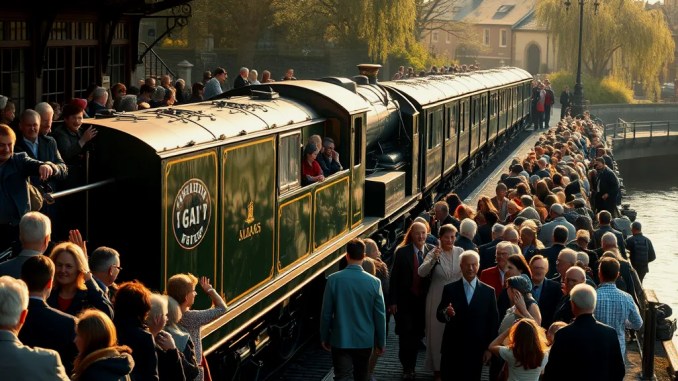
Summary of the Bewdley Express trial and core results
The Bewdley Express trial ran from 1 September to 22 October 2026, completing 96 scheduled passenger services between Bewdley and Kidderminster and carrying over 1,000 passengers. Operators timed morning departures to connect with West Midlands Railway services towards Birmingham Snow Hill and provided evening return legs to Bewdley. The trial tested demand for a permanent passenger link along the historic Severn Valley route and gathered operational, passenger and ridership data for joint assessment by Severn Valley Railway (SVR), West Midlands Railway (WMR) and West Midlands Rail Executive (WMRE).
How the service operated and what passengers experienced
Trains departed Bewdley at 06:40 and 07:40, arriving Kidderminster at 06:52 and 07:52 to meet West Midlands Railway mainline services. Evening connections from Birmingham Snow Hill at 16:46 and 17:46 fed return services that completed at Bewdley at 17:57 and 19:02. SVR supplied the heritage rolling stock and crew, including diesel multiple units and selected steam locomotives, while passengers used standard national rail tickets for the entire journey. Volunteers supported station and onboard operations, helping start early-morning shifts and managing later evening movements to keep services punctual.
Ticketing, fares and a sample passenger profile
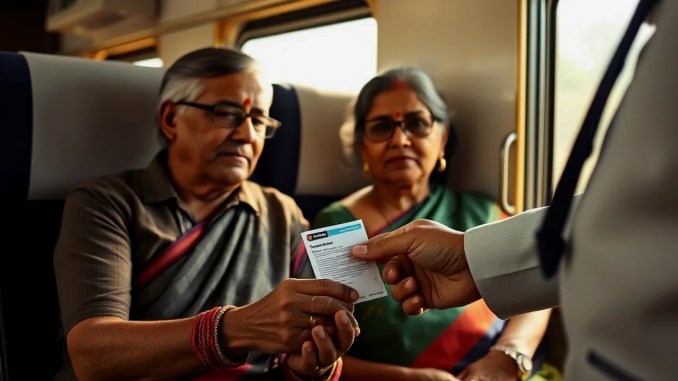
Operators priced a round-trip Bewdley–Birmingham Snow Hill fare at £16, a single Kidderminster–Bewdley fare at £2 and a return on that short link at £3.60, reflecting the short distance and integration with national fares. One exemplar user, Lisa, previously rode a bicycle five miles to reach Kidderminster to catch mainline trains. She reported that the Bewdley Express removed that last-mile barrier and saved time on the morning commute—an example of immediate practical benefit for non-car commuters and active-travel users.
Ridership patterns, peak usage and operational learnings
Across eight weeks the trial carried just over 1,000 passengers on 96 services, averaging roughly 10–12 passengers per service with higher loads on peak morning and evening connections. Data showed concentrated demand at commuting times, and occasional use by long-distance travelers who started journeys at Bewdley heading to destinations such as London, Plymouth or Glasgow via mainline connections. Operational lessons included platform-to-platform turnaround times, volunteer rostering for extended service windows, and the logistics of pairing heritage traction with modern national timetable constraints.
Why the trial matters for local journeys and network connectivity
Reinstating passenger use of the Bewdley–Kidderminster link demonstrates a practical method to connect preserved railway infrastructure to the national network. It reduces first/last-mile friction for residents in Bewdley and nearby villages, offers a low-cost feeder into busy commuter corridors and can absorb demand generated by regional housing growth. Trial results provide tangible evidence to planners: measured ridership, time-savings for commuters, and user testimonials that quantify benefit beyond anecdote.
Questions the assessment will need to answer before any permanent service
Decision-makers will evaluate operational cost vs fare revenue, required infrastructure upgrades (platform length, signaling or accessibility works), time impactstable on mainline services, long-term volunteer/staffing models, and local planning considerations including parking and active-travel links. WMRE noted that, if demand sustained, some mainline services that currently terminate at Kidderminster could be extended to Bewdley—an option that requires timetable and pathing analysis to confirm feasibility without degrading punctuality on the wider network.
Step-by-step: what a permanent timetable change would require
1. Consolidate trial data: collate passenger counts, peak loads and fare revenue. 2. Operational feasibility study: model mainline pathing implications and turnaround times. 3. Infrastructure appraisal: inspect platforms, accessibility, signaling and any required works. 4. Cost-benefit and funding plan: identify capital needs, revenue forecasts and potential subsidies. 5. Stakeholder sign-off: obtain agreement from SVR, WMR, WMRE and Network Rail where relevant. 6. Public consultation and adjustment: gather local feedback, refine timetable and parking/active-travel access. 7. Phased introduction: start with peak-time services, monitor, then scale to off-peak if justified.
Examples and data-driven insights to inform decision-makers
Use-case examples from the trial show a clear commuter pattern: two morning feeder departures into established mainline paths generated the majority of ridership, while evening returns matched those flows. A conservative projection method—extrapolating average trial loads while accounting for modest annual housing growth—can produce a near-term ridership forecast that indicates whether fare income might cover recurrent operating costs or if public subsidy will be necessary. Local authorities can overlay new housing permission maps with origin–destination points to estimate incremental demand from new residents.
Community and operational benefits beyond passenger numbers
Aside from ridership statistics, benefits include increased accessibility for non-driving residents, volunteer engagement and skills development, and tourism spillovers as heritage equipment runs more frequently. The trial also generated practical training in integrating heritage operational practices with modern ticketing and passenger service expectations, which has intrinsic value for SVR and partner organizations.
Next steps and what residents can expect
Partners will review collected feedback and operational metrics in the coming months. If they proceed, expect staged proposals: initial peak-time permanent services, infrastructure upgrade timetables, and coordinated communications on new ticketing arrangements. Meanwhile WMRE and SVR continue to invite passenger feedback through post-trial surveys to build a fuller evidence base for any long-term decision.

Be the first to comment