
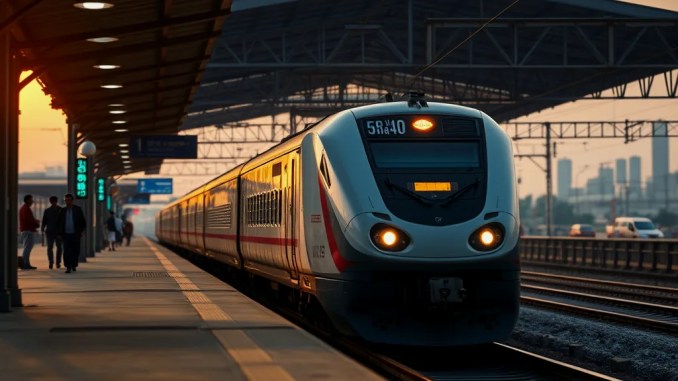
India will launch its second Vande Bharat Sleeper train on November 1, operating between Bengaluru and Mumbai with an expected journey time of about 16 hours. Officials aim to cut travel time substantially compared with existing services while offering modern, climate-controlled overnight accommodation for long-distance passengers.
823-bed, 16-coach composition and class breakdown
The train set comprises 16 fully air-conditioned coaches and provides a total of 823 berths. According to the technical brief released by BEML and statements from railway ministers, the interior layout divides sleeping capacity across three classes:
– Third AC (economy sleeper): 11 coaches with 611 berths in total, intended for the majority of long-distance overnight travelers seeking value with air-conditioned couchettes.
– Second AC: 4 coaches with 188 berths, offering larger berths and more privacy per passenger.
– First AC: 1 coach with 24 berths, aimed at travelers wanting the highest comfort, space and amenities.
The distribution of berths mirrors the configuration used in India’s first Vande Bharat Sleeper set and optimizes capacity while preserving tiered fare and service levels.
Scheduled start date, frequency, and timetable status
The government announced November 1 as the train’s inauguration date. As of the latest ministerial posts and BEML releases, railways have not published the definitive timetable, daily frequency or the full stop pattern. Key unanswered operational details include:
– Exact departure and arrival times from Bengaluru and Mumbai.
– Intermediate stoppages and platform allocations at major junctions.
– Whether November 1 denotes a ceremonial inaugural run or the first revenue service day for regular passenger reservations.
Railway authorities typically finalize these elements several weeks before commercial ticketing opens; watch official IRCTC and Indian Railways notices for confirmed schedules and advance reservation windows.
How this service compares with the first Vande Bharat Sleeper
The first Vande Bharat Sleeper, inaugurated January 17, 2026, on the Howrah–Guwahati (Kamakhya) route, also uses a 16-coach, 823-berth configuration. Operational data from that introduction offers useful comparisons:
– Journey time savings: On the Howrah–Kamakhya route, the Vande Bharat Sleeper cut roughly 2.5 hours from previous express schedules — a demonstrable improvement in average speed and dwell-time reduction.
– Phased revenue start: The first set carried out inauguration procedures on January 17 but commenced paid services on January 22–23 depending on the originating station. That precedent suggests the Bengaluru–Mumbai set may follow a similar phased rollout.
Expect authorities to apply lessons from the first corridor on maintenance scheduling, berth allocation, and dynamic fare management for peak travel periods.
Passenger experience and onboard facilities
Vande Bharat Sleeper’s coach design focuses on overnight travel comfort while preserving higher operating speeds. Notable passenger-facing elements include:
– Full air conditioning with individual berth lighting.
– Ergonomically designed berths with secure under-berth luggage storage to reduce aisle clutter.
– Improved bio-toilets and sanitation systems to lower maintenance and ensure hygiene on long runs.
– Faster acceleration and deceleration enabling tighter timetabling compared with conventional sleeper rakes.
First-hand user reports from the Howrah–Kamakhya service emphasize quieter rides, faster boarding procedures and a more consistent temperature profile through the night than older sleeper coaches.
Maintenance infrastructure and lifecycle planning
The government announced construction of a dedicated maintenance depot in Thanisandra, Bengaluru, funded at an estimated 270 crore rupees. A purpose-built facility near the origin point has several operational advantages:
– Faster preventive maintenance turnarounds that reduce out-of-service time and keep availability high.
– Dedicated heavy-maintenance bays tailored to the Vande Bharat Sleeper’s electrical, HVAC and pneumatic systems.
– Localized crew training and spares provisioning that shorten response times for technical faults along the Bengaluru–Mumbai corridor.
Centralizing maintenance improves reliability metrics and supports consistent daily operations as the fleet scales.
Ticketing, fares and commercial rollout expectations
Railway ministers have not released fare tariffs or an exact ticketing timetable for the Bengaluru–Mumbai sleeper. Based on comparable launches and the service class mix, expect the following commercial pattern:
– Tiered pricing: First AC will carry premium fares; Second AC and Third AC will have intermediate and value-priced fares respectively.
– Dynamic allocation: Initial launches often reserve promotional inventory and quota for online bookings, concessions and temporada demand.
– Advance booking window: Indian Railways commonly opens bookings several weeks ahead; final confirmation awaits the published timetable and commercial release from IRCTC.
Monitor the IRCTC portal and press releases in late October for booking open dates and fare charts.
Practical travel tips for prospective passengers
If you plan to travel on the new Bengaluru–Mumbai sleeper, follow these steps to prepare:
1. Track official releases: Subscribe to Indian Railways and IRCTC notifications for confirmed schedule and booking commencement.
2. Choose class by need: For lower cost with AC comfort, Third AC offers the best bed-per-rupee. Choose Second AC for greater berth width and privacy; First AC suits groups or business travelers requiring space.
3. Book early for peak dates: Weekends, festivals and holidays will drive quick sellouts on the limited-berth trainset.
4. Pack smart: Bring a compact travel kit, earplugs and a slim thermos; luggage must fit under berths or in overhead racks to keep aisles clear.
What to watch next: confirmation milestones
Key dates and signals that will confirm the service roadmap:
– Official timetable publication: Confirms running days, timings and intermediate stops.
– IRCTC booking open date: Marks the start of paid passenger operations and seat assignment options.
– Maintenance depot commissioning: Final handover of the Thanisandra depot signals long-term operational readiness.
Each milestone narrows the gap between ceremonial inauguration and routine commercial services.
In summary: The Bengaluru–Mumbai Vande Bharat Sleeper will replicate the high-capacity, AC-sleeper format of India’s first set and aims to deliver faster overnight connectivity through modern coach design and dedicated maintenance support. Exact timetable, stoppages and fares will follow official railway publications in the run-up to November 1.






Be the first to comment