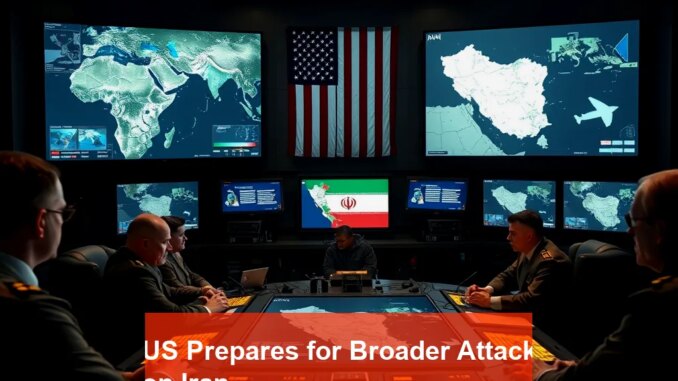
## Escalating US Military Presence in Israel: What It Means for the Middle East Recent developments in the ongoing Israel-Hamas conflict have opened a new chapter in regional security dynamics, with the United States significantly ramping up its military support for Israel. According to an anonymous Israeli military official speaking to Channel 13, the US has begun deploying approximately 100 refueling aircraft and additional combat planes to bolster Israel’s air capabilities. This move indicates a clear shift towards preparing for an expanded and potentially more intense military campaign. ### The Strategic Shift: US and Israeli Military Coordination The deployment of such a substantial fleet of refueling aircraft underscores the US military’s strategic intent to sustain prolonged air operations in the region. These aircraft are crucial for extending the operational range of Israeli and US fighter jets, enabling long-range strikes and rapid deployment across broader areas of the Middle East. By reinforcing Israel’s air capabilities with these resources, the US aims to support a more aggressive stance against Iran and its allies. ### Implications of Broader Middle East Engagement This build-up signals a potential expansion of the ongoing conflict, with increased US involvement possibly leading to broader regional engagements. The deployment of additional American fighter jets—such as F-16s and F-35s—has already begun, with reports confirming their transit through neighboring countries like Jordan and Qatar, heading towards Israeli airbases. ### Step-by-Step: US Military Reinforcement – Stage 1: Deployment of Refueling Aircraft: About 100 air tankers arrive to support sustained aerial operations. – Stage 2: Arrival of Fighter Jets: F-16 and F-35 fighters land on Israeli, Jordanian, and Qatari airbases. – Stage 3: Enhanced Air Campaign: These assets enable more effective and long-lasting strikes against specific targets, including Iranian-backed militias. – Stage 4: Broader Regional Strategy: The US plans to maintain a flexible, high-alert posture, prepared for rapid escalation. ### Why Does This Matter? The infusion of these military assets isn’t just a show of force; it reflects a clear strategic commitment from the US to back Israel in a complex and volatile conflict that has already drawn in multiple regional actors. Historically, such gestures tend to precede larger escalation phases, potentially leading to wider regional warfare involving Lebanon, Syria, and Iran. ### The Risks of Escalation While these military deployments aim to support Israel and deter further aggression from Iran, they also increase the risk of unintended escalation. The Middle East has a long history of conflicts igniting beyond initial targets, and the presence of additional US aircraft and personnel could inadvertently trigger wider conflicts. ### What Could Happen Next? – Prolonged Sky War: Extended aerial campaigns with longer operational ranges. – Regional Alliances Testing: Countries like Lebanon, Syria, and Iran could respond with increased military actions. – Diplomatic Tensions: Domestic pressures and international diplomatic efforts might intensify to de-escalate or escalate further. ### US Military Strategy and Regional Stability The US aims to balance supporting Israel against Iran’s influence while avoiding full-scale regional war. This delicate balance relies heavily on precise military deployment and diplomatic efforts. However, rapid escalations could quickly spiral into wider conflicts, dragging multiple countries into the chaos. ### Key Takeaways – The US has launched an extensive deployment supporting Israel’s military operations. – Increased air power could enable broader and more sustained military actions. – The risk of escalation remains high, with potential regional repercussions. – Monitoring regional responses is crucial for anticipating future conflicts. The current military buildup signals an intense phase in Middle East conflicts, with international powers heavily involved. As this situation evolves, understanding the strategic implications of these deployments will be essential for policymakers, analysts, and observers worldwide.