

Tourism: One of the Essential Infrastructure Investments for Countries
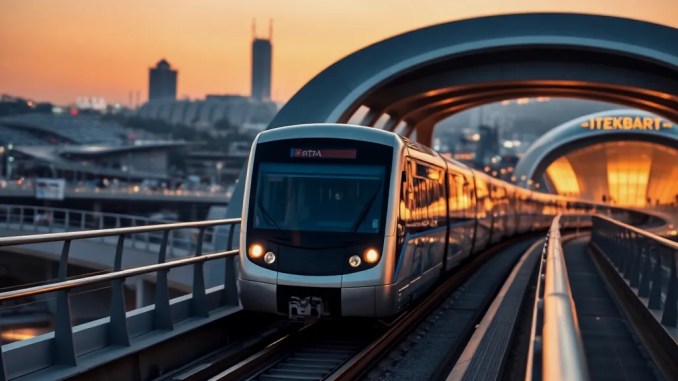
World Tourism Forum Institute President Bulut Bağcı addressed tourism as more than just an economic return in his opening speech. He emphasized that sustainable growth in tourism requires simultaneous investment in strong transportation networks, digital infrastructure, energy security, and public services. Bağcı stated that tourism investments not only increase the number of visitors but also improve the quality of life for citizens, stimulate trade, and enhance a country’s competitiveness. This perspective pointed to concrete policy proposals that position tourism as a central target in infrastructure planning: destination-oriented roads and rail lines, regional digital coverage projects, energy resilience investments, and the integration of tourism-focused public services.
Global Leaders and Investors Meet in Brussels
Sessions themed “Global Leadership and Investment” offered investors, public authorities, and the private sector concrete steps regarding access to finance, destination development strategies, and international partnership models. The panelists—visit.brussels CEO Patrick Bontinck, Head of Capital European Affairs Dr. István Ujhelyi, Accor Group Deputy CEO Jean-Jacques Morin, and Google EMEA Product Partnerships Head Aileen Dalisay—focused on risk-sharing mechanisms in infrastructure financing, success criteria in public-private partnerships, and investment models that increase local participation in the next three years. A video message from ASEAN Secretary-General Dr. Kao Kim Hourn provided examples of how regional tourism networks can act as catalysts for economic integration.
Bulut Bağcı’s Call to Protect Freedom of Travel
Bağcı explained that freedom of travel is not only an individual right but also a fundamental mechanism that strengthens cultural interaction and international solidarity. He shared data-based arguments that restrictions imposed on visitors, migrants, or cross-border workers create both economic and social costs in the long term. Among the key proposals discussed were pilot programs for visa facilitation, the expansion of electronic travel authorizations (e-visas/eTAs), and protocols that balance biometric verification and data privacy at border crossings. These applications aim to accelerate travel flows while maintaining security standards.
Artificial Intelligence, Security, and the Resilience of Travel Systems
On the second day of the forum, the applications of artificial intelligence (AI) in tourism, its use in border security, and ways to increase the resilience of systems in the face of climate change were discussed. Speakers demonstrated with examples how AI-based predictive models are used to foresee demand for destinations, in resource planning, and in crisis management. Example: integration of image processing models for counterfeit document detection in airport security processes; human-in-the-loop verification steps were also proposed to reduce false positives. In the panel, representatives from IATA and Booking.com stated that using anonymized airline and booking data in risk analysis both increases operational efficiency and improves the passenger experience.
Serra Erdoğan Receives Futurist Art Honorary Award: Art, Healing and Solidarity
Turkish artist Serra Erdoğan was awarded the 2026 Futurist Art Honorary Award for her work “Colors That War Could Not Steal,” presented under the theme “The Visible Form of Thought.” The work focuses on women and children affected by wars, addressing themes of hope, resilience, and reconstruction. From an art theory perspective, Erdoğan’s work, through its vibrant color palette, geometric order, and symbolic expression, connects post-traumatic healing processes with collective memory, inviting active participation from the viewer. From a cultural-diplomacy perspective, such projects expand the social impact of tourism activities and increase the global visibility of local artists.
How to Implement: Concrete Steps for Policy and Sector
We can summarize a few of the feasible recommendations from the forum as a step-by-step implementation plan:
1. Infrastructure Prioritization: Goal: Prioritize tourism-related transportation projects within 5 years. Steps: a) Regional demand modeling; b) cost-benefit analyses; c) public-private partnership calls for proposals.
2. Visa and Border Facilitation: Goal: Increase e-visa coverage by 40% within 3 years. Steps: a) Identify pilot countries; b) Prepare biometric verification and data protection protocols; c) Measure performance indicators.
3. AI and Data Sharing: Goal: Increase operational efficiency and security. Steps: a) Develop common data standards; b) Implement anonymization protocols; c) Mandating human-in-the-loop processes.
Event Calendar and Results
The program began with a welcome evening on November 8th, continued with an awards ceremony and gala on November 9th, and concluded with a closing session on November 10th under the title “Brussels Agenda for Tourism Investment and Security” with policy commitments. Participants included the European Commission, the European Parliament, IATA, Booking.com, and major hotel chains; the meetings resulted in the announcement of intentions to cooperate on infrastructure financing, border security, and digital transformation. These intentions can be translated into pilot projects in the short term and regional integration programs in the medium term.
Immediate Actions: Recommendations for Businesses and Local Governments
The recommendations are directly applicable and measurable:
Local governments: launch small-scale digital visa pilots; prioritize high-speed lines in connections between airports and city centers; plan public art projects with local artists.
Private sector: Develop standard contracts for data sharing; test AI solutions in pilot programs; highlight sustainable supply chain investments.
Long-Term Impact of the Brussels Summit
The forum presented a more inclusive sector vision by integrating investment and security agendas for tourism. The call for freedom of travel and human-centered approaches associated with the arts provided tangible inspiration for policymakers and investors. The steps taken in Brussels, when implemented correctly, strengthen destination management, expand economic opportunities, and reinforce social ties.





Be the first to comment