
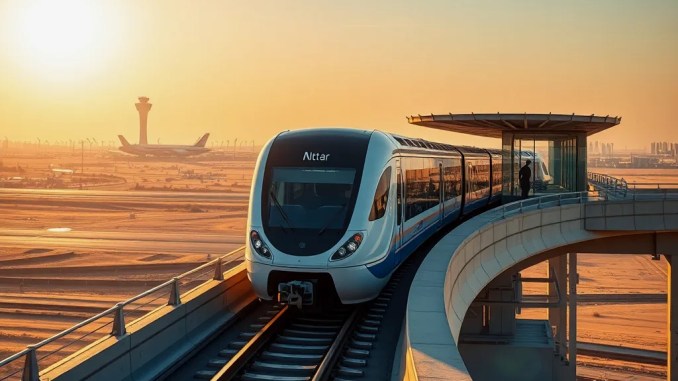
Overview of the approved metro extension and timeline
Dubai’s executive council approved a 3-kilometer extension of the existing metro network to connect directly to Al Maktoum International Airport City. The project carries a budget of roughly 2 billion AED and will add two stations. Authorities expect metro services on the extension to begin in 2031, one year ahead of the airport city’s first-stage operational target of 2032. The Roads and Transport Authority (RTA) and the Dubai Engineering Projects Establishment will manage delivery, while precise station siting and construction methods remain under review.
How the extension integrates with other transport modes
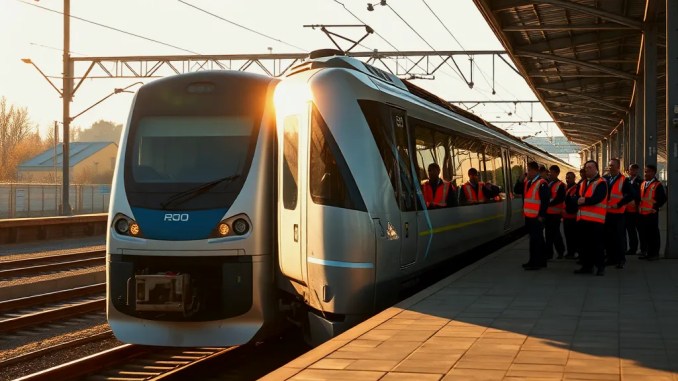
The extension will deliver a direct rail link to the airport’s West Terminal and create interchange options with Etihad Rail’s planned high‑speed network and the airport express corridor. That planned integration reduces transfer times for passengers and staff by consolidating connections at a single node rather than forcing multiple surface transfers. For example, a passenger arriving on a regional Etihad Rail service could transfer in a single station from rail to metro and then use an airport express people-mover or shuttle to reach terminal access points — trimming what today can be a 20–40 minute intermodal transfer into a 7–15 minute journey, depending on scheduling and walk times.
Projected passenger flows and capacity implications
The airport expansion program foresees capacity rises that will place heavy demand on surface access. Authorities project the first development phase will handle up to 150 million passengers annually, moving toward a long-term target of 260 million. The 3 km metro link won’t by itself absorb all new demand but will form the backbone of transit access, diverting a significant share of modal split from private cars to public transport. Assuming conservative mode-shift scenarios (10–20% of airport visitors choosing metro), the extension could carry several tens of thousands of airport-related trips per day, easing peak-hour road congestion and reducing curbside parking pressure.
Construction approach and project phasing (what to expect)
Project teams typically evaluate three delivery options for short urban rail extensions: elevated viaduct, at-grade alignment, and bored/immersed tunnels. For this extension the authority has not finalized the method, but each option implies different timelines, budgets and community impacts. An elevated structure often reduces cost and construction time but has visual and land-use impacts; A bored tunnel increases cost and duration but minimizes surface disruption. Given the tight 2031 service target, a heavily elevated or shallow-cut-and-cover approach often produces the fastest delivery while meeting safety and operational standards.
Operational and service planning considerations
To serve an airport reliably, planners will adjust headways, rolling-stock allocation and peak capacity management. Typical airport metro services run with higher frequency during peak arrival/departure windows and offer luggage-friendly features (wide doors, dedicated luggage racks, increased standing area). Service planners will coordinate timetables with long-distance rail and airport express services to minimize missed connections. During initial operations, RTA may implement transitional shuttle bus services between Expo or other interchange stations and the terminals until the extension is fully operational, mirroring previous arrangements used during earlier metro expansions.
Economic rationale and public investment context
The 2 billion AED project forms part of a larger package of public investments approved at the same council meeting that exceeded 11 billion AED in total. The council also ratified a 9.59 billion AED plan for social facilities and services to 2040. Investing in a direct metro link supports economic goals by enabling higher airport throughput, lowering operating costs associated with surface congestion, and improving the city’s attractiveness for transit-reliant business travel. In transport-economic terms, the extension yields returns through time savings for passengers and staff, reduced vehicle operating costs, and lower emissions from modal shift.
Relevance to travelers, airport staff and logistics providers
Travelers will gain a predictable, signposted rail option that reduces dependence on taxis and private transfers and provides cost-effective travel into city centers. Airport employees benefit from reliable commutes and reduced parking needs. Logistics and ground-handling operations can plan around scheduled, high-frequency passenger flows; predictable arrival patterns also help baggage and transfer operations synchronize workforce rostering.
How the extension compares with prior 2020 route work
In 2020 the 2020-route (the Red Line extension) opened as a 15 km extension with seven stations between Jebel Ali and Expo 2020, delivered at a cost of roughly 11 billion AED. At that time, planners mentioned a potential 3.4 km connection from Expo station to Al Maktoum International Airport. The newly approved plan differs slightly: 3 km length, two stations, and a 2 billion AED budget, reflecting updated alignment choices and cost-optimization lessons learned from the earlier program.
Likely next steps and what stakeholders should watch
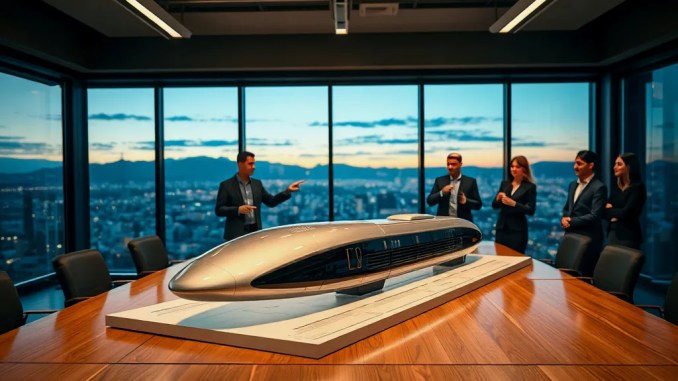
Next steps will include selecting exact station locations, completing environmental and traffic impact assessments, finalizing the construction method and launching procurement for contractors and systems suppliers. Stakeholders should watch these milestones closely: procurement notices, publication of detailed design documents, permits for land use, and staged traffic management plans. Each milestone will narrow the delivery window and clarify community impacts such as temporary road closures or construction noise zones.
Common questions travelers and planners ask (concise answers)
Will the metro reach the airport terminals directly? The extension will reach the West Terminal and provide direct rail access; interchanges to other terminals may require short shuttle links depending on final station siting.
When will services start? Targeted service commencement is 2031, subject to design approvals and contractor schedules.
How much will the project cost? Official budget is approximately 2 billion AED for this extension.
Who is delivering the project? The RTA and Dubai Engineering Projects Establishment will oversee delivery and coordination.
Practical tips for affected commuters during construction
Commuters should monitor RTA advisories for temporary bus bridges and altered road patterns. Employers at and around the airport can phase flexible start times to reduce peak exposure and coordinate staff shuttles where metro access will not yet be available. Signing up for official alerts and following local construction updates will help travelers avoid last‑minute disruptions.





Be the first to comment