Introduction: Why CapeFLYER’s 2026 Season Is a Turning Point for Cape Cod Travel
In 2026, CapeFLYER, the seasonal passenger train service connecting Boston to Hyannis, shattered previous ridership records, signaling a definitive shift in how travelers choose to explore Cape Cod during the busy summer months. This surge isn’t just about numbers; it reflects changing traveler preferences, infrastructure challenges, and innovative transportation solutions shaping the future of regional mobility.
The 2026 Ridership Surge: A Clear Indicator of Changing Travel Patterns
According to recent data released by MBTA and CCRTA, a total of 16,045 passengers rode CapeFLYER during the 2026 summer season, marking a remarkable 7% increase over the previous year. This isn’t a transient spike but part of a sustained growth trend driven by various aligning to make train travel more appealing than ever.
Operational Highlights and Frequency of Service in 2026
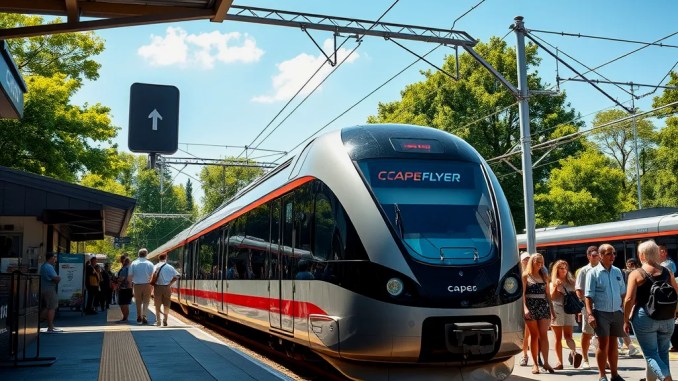
Keolis Commuter Services operates CapeFLYER with a focused schedule during peak summer weekends. This season, trains run three days a week—Friday, Saturday, and Sunday—between Boston South Station and Hyannis, starting from May 22. The timing choice addresses the high demand within a compact schedule designed to optimize ridership while maintaining efficiency.
Additional special services took place during major events, such as the FIFA World Cup match at Boston’s stadium in June, illustrating the train’s role in enabling large-scale event transportation and reducing road congestion.
Strategic Route and Infrastructure Considerations
The route links prominent nodes like Braintree, Brockton, Lakeville, Wareham, Buzzards Bay, and Bourne, with an average journey time of approximately 2 hours and 40 minutes. This direct connection avoids the hassle of traffic congestion on Cape Cod’s bridges, especially during peak season, when traffic snarls on the Sagamore and Bourne bridges can double travel times.
Furthermore, ongoing infrastructure renovations on these bridges aim to improve long-term transportation reliability, though temporarily, they emphasize the importance of rail options like CapeFLYER.
Why Riders Are Favoring Rail Over Road During Summer 2026
The rising popularity of CapeFLYER can be directly linked to the worsening congestion on Cape Cod’s bridges. During peak summer days, the Sagamore and Bourne bridges turn into parking lots, with hundreds of vehicles queued for hours. Travelers who prioritize efficiency, comfort, and environmental benefits now see train travel as a strategic alternative, especially for families and tourists seeking hassle-free journeys.
Pricing and Ticketing Strategy That Boosted Ridership
In 2026, round-trip tickets cost around $40 per person. This competitive pricing—accessible for most families—paired with digital ticketing via MBTA’s mTicket app, streamlined the purchase process, reducing barrier to entry for new riders. Children under 11 could travel free with an adult, encouraging family groups to adopt rail travel as a preferred mode.
Additional Amenities and Experiences on CapeFLYER
Beyond simple transportation, CapeFLYER enhances the travel experience with amenities like bike fixtures, allowing bikers to pedal onto the train without hassle. Onboard cafes and pre-booked seats elevate comfort levels, making the journey itself an enjoyable part of summer vacations.
Impact of Infrastructure Improvements and Environmental Policies
Infrastructure projects aiming to refurbish Sagamore and Bourne bridges receive environmental approvals in 2026, signaling a commitment to safer and more reliable crossings. Although these improvements are still ongoing, their completion promises to ease future congestion further, reinforcing the role of rail in regional transportation.
Comparing Annual Growth: 2025 vs. 2026
While MBTA reports around 10,800 tickets sold in 2025, CCRTA’s recent figures emphasize actual ridership numbers, with 16,045 passengers in 2026—indicating a significant growth trend and consumer preference shift towards train travel. The difference in measurement methods highlights the importance of considering multiple data sources when evaluating regional transit success.
Concluding Remarks: The Road Ahead for Cape Cod Rail
The data from 2026 underscores a transformative year for CapeFLYER, setting the stage for expanded services, better integration with other transit modes, and broader public adoption. As infrastructure projects progress and traveler habits evolve, rail service stands poised to become the backbone of Cape Cod’s sustainable future transportation strategy, easing road congestion while offering scenic, comfortable, and efficient travel options.
Frequently Asked Questions (FAQs)
Q: Why did CapeFLYER see a 7% increase in ridership in 2026?
Multiple factors contributed, including worsening road traffic on bridges, competitive pricing, improved onboard amenities, and increased familiarity with the service among tourists and locals.
Q: How does the pricing compare to other transportation modes on Cape Cod?
At $40 for a round-trip ticket, CapeFLYER offers an affordable alternative to driving, especially when considering parking fees, fuel costs, and tolls during peak seasons.
Q: What infrastructure developments are supporting future growth?
Ongoing bridge renovations aim to improve traffic flow and safety, complementing the rising demand for rail services like CapeFLYER. These investments signal long-term commitment to sustainable regional transit.
Q: Can families and tourists rely on CapeFLYER for holiday travel?
Yes, the service’s enhanced amenities, affordable prices, and ease of booking make it a dependable choice for family trips and special events, especially during the busy summer months.