Rapid Transit Ridership Surges: A Deep Dive into Denver’s Public Transportation Performance in 2026
Denver’s public transportation scene is experiencing a remarkable transformation in 2026, with ridership numbers soaring to new heights. This surge isn’t just a fleeting trend but a reflection of strategic changes, urban growth, and shifting commuter habits. Understanding the nuances behind these figures provides valuable insights into how transit agencies can adapt to and capitalize on these dynamics.
The Ridership Boom: Numbers that Speak Louder Than Words
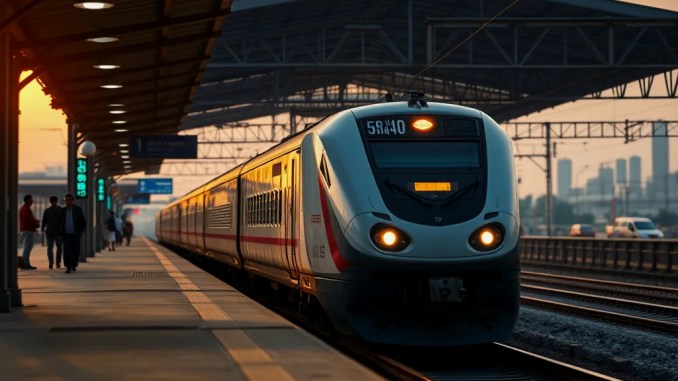
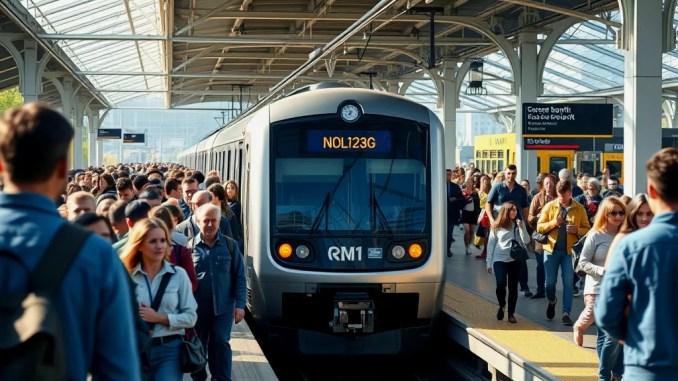
By mid-2026, Denver’s Regional Transportation District (RTD) reports accommodating over 32.7 million passenger trips in just the first half of the year—a 4.2% increase compared to the same period last year. While bus systems continue to dominate ridership, the spotlight shines brightly on the dramatic 17.5% increase in commuter train usage, particularly on the popular A Line, which connects Denver to its suburbs. These numbers reveal more than growth; they expose underlying shifts in commuter preferences and system utilization.
The A Line’s Surprising Rise: Strategy or System Change?
The rise notable in A Line’s ridership prompts a critical analysis of the underlying causes. Historical data shows that the A Line transported approximately 2.65 million riders in the first half of 2025. This shot up to 3.34 million in 2026, accounting for around 693,000 additional trips. Such a leap—over a 26% increase—outpaces other lines significantly, making it a focal point for system-wide assessments.
However, a key factor influencing these figures involves changes in data collection methods. Starting August 2025, RTD adopted a new ridership counting system on the A Line, which led to a recalibration of previous data. This methodological shift artificially inflates the apparent audience, accounting for a sizable part of the observed growth. Nevertheless, the ongoing strength suggests genuine increased demand, driven likely by urban development around station areas, improved service frequency, and rising fuel costs making transit more attractive.
Comparative Analysis: Other Lines and Overall System Performance
While A Line’s performance jumps, other routes display mixed results. The B Line sees a modest 2.2% growth, whereas the G and N lines face slight declines—2.4% and 0.8%, respectively. Interestingly, this indicates that the overall expansion in ridership primarily hinges on A Line’s success but also reflects nuanced operational and demographic shifts across routes.
Adding context, other transit modes like buses also contribute to total ridership increases. Between January and June, bus trips increased by approximately 1.2%, reaching 20.8 million rides—highlighting a broader modal shift. Conversely, the city’s light rail system experienced a slight decline of 2.7%, dropping to around 5.12 million trips, largely influenced by ongoing infrastructural projects.
Infrastructure Upgrades and Their Impact on Ridership
Major infrastructure projects shape transit usage patterns. Denver’s city center is undergoing significant modifications, including the redevelopment of the downtown loop line, beginning June 7, 2026. These works aim to improve connectivity and frequencies but temporarily disrupt normal routes. During construction, ridership dips, especially on lines passing directly through affected corridors.
Such disruptions often lead to initial decreases but are designed to enhance long-term capacity and attractiveness. RTD anticipates that once completed, these improvements will drive further ridership growth through better station access, reduced journey times, and increased safety.
Ridership Trends in Light Rail and Commuter Trains: Contrasts and Causes
The overall light rail ridership decreases subtly this year, with a loss of roughly 143,000 trips from the previous year’s figures. This decline, primarily concentrated in June, correlates with ongoing urban construction and less favorable weather, which can influence outdoor transit usage. In contrast, commuter trains like the E and R lines report gains of 8.2% and 4.5%, respectively, driven by urban expansion and increased demand for regional connectivity.
Why Denver’s Transit Defies National Trends
Nationally, transit ridership in the United States grows modestly—roughly 2-6% depending on the mode. Denver stands out with a 17.5% hike in commuter rail usage, indicating a unique local surge. Several factors contribute:
- Urban Expansion: New residential developments along transit corridors increase commuter needs.
- Service Improvements: Enhanced schedules, fare reductions, and marketing efforts boost ridership.
- Cost of Car Ownership: Rising fuel prices and parking costs push more riders onto trains and buses.
- Workplace Trends: Companies adopting hybrid and remote work models concentrate commuters to specific times and this divergence signifies a resilient transit market that responds dynamically to urban and economic stimuli.
Financial Impacts and Revenue Growth
RTD reports a significant increase in revenue, reaching $602 million—up 19.3%. Housed mainly in higher federal grants and local subsidies, this spike ties directly to ridership boosts. Notably, federal COVID-era grants averted potential budget shortfalls, allowing RTD to expand services and marketing efforts.
Fare revenues remain steady at approximately $28.8 million, reflecting stable fare policies despite ridership increases. Sales and use taxes also account for roughly $427.8 million, indicating robust local economic support. These financial inflows enable RTD to reinvest in infrastructure and service expansion.
Operational Costs and Future Outlook
Operational expenditures stay below budget, at around $589.2 million—an 8% under-spending margin. Lower costs result from efficiency gains and strategic contract negotiations. Still, ongoing infrastructure investments, especially in light rail improvements, will pressure future budgets.
Looking ahead, RTD plans to finalize major projects by early 2027, which should further elevate ridership. Expect sustained growth if current trends continue, especially with app-based real-time tracking, integrated fare systems, and targeted marketing campaigns.
Conclusion: Denver’s Transit’s Bright yet Complex Future
Denver’s transit system in 2026 demonstrates a potent combination of technological, infrastructural, and societal shifts fueling ridership growth, especially on commuter trains. While some sectors see declines due to construction or weather, the overall upward trend highlights a resilient demand for sustainable mobility solutions.
Strategic investments, tactical service improvements, and urban policy reforms will determine whether this momentum persists. One thing remains certain: Denver’s transit system is reshaping urban mobility, promising a more connected and environmentally friendly city—if it can adeptly navigate ongoing challenges.
RTD suburban train passenger numbers rise by 17.5%, highlighting increased commuter demand and improved transit services in the region.