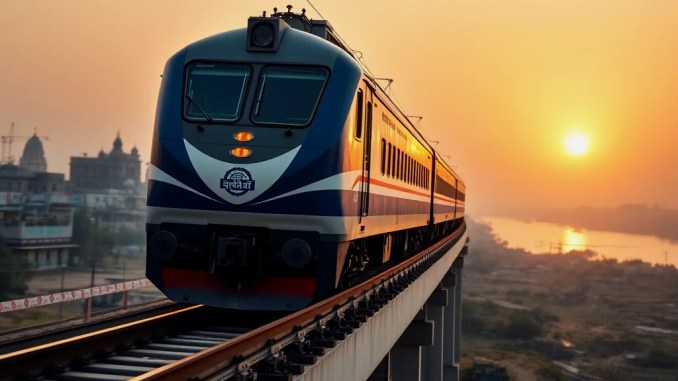
Serbia’s Strategic Rail Upgrade: Introducing New Siemens Vectron Locomotives
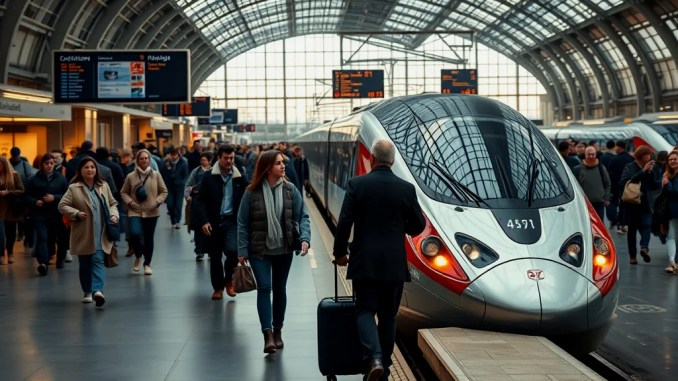
Serbia’s national passenger transport giant, Srbijavoz, is undertaking a major leap forward in railway modernization. By partnering with Siemens Mobility, the company is set to acquire six state-of-the-art, multi-system electric Vectron locomotives. This move not only signifies a significant technological upgrade but also aims at boosting international train services, significant especially in the context of upcoming events like EXPO 2027.
Why Serbia Chooses Siemens Vectron: Key Advantages
The new Vectron locomotives are tailored for versatility, high performance, and reliability, addressing years of aging infrastructure. The deal, valued at approximately €35.35 million (excluding VAT), includes strategic maintenance and training services, ensuring Serbia’s rail system keeps pace with modern standards. This strategic investment underscores Serbia’s commitment to interconnectivity and regional rail excellence.
Replacing Outdated Locomotives for Superior Performance
Current Serbian locomotive fleet, some over 40 years old, struggles with reliability, safety, and efficiency. These older models often face operational challenges, high maintenance costs, and compatibility issues in cross-border trains. Replacing them with new-generation Vectron multi-system locos ensures seamless international operations, particularly across different electrification systems in Europe.
Furthermore, these modern units significantly improve energy efficiency, incorporate advanced safety features, and reduce environmental impact, aligning with broader European Union standards and sustainability goals.
Delivery Timeline and Implementation Strategy
The delivery of the six Vectron locomotives is scheduled between June and July 2027. The phased rollout coincides with Serbia’s preparations for the EXPO 2027, set to take place from May to August 2027 in Belgrade. Ensuring these locomotives are operational by this period could transform Serbia’s international train services during the event.
However, the process extends beyond delivery; Siemens also commits to comprehensive maintenance services and operator training to guarantee optimal performance. The maintenance support spans at least 8 years or until each locomotive reaches 1.2 million kilometers, providing Serbia a sustainable operational platform.
Benefits for International and Regional Travel
The Vectron locomotives are designed for multi-system operation, meaning they can handle different electrical systems used across European countries without interruption. This capability makes them ideal for international routes connecting Serbia with Hungary, Croatia, Austria, and beyond.
Specifically, these locomotives will primarily serve Budapest-bound trains, reducing transfer times and increasing reliability on cross-border routes. Their ability to operate efficiently in diverse electrification environments ensures smoother, faster, and more dependable journeys for passengers.
Innovation in Rail Modernization: The Siemens Vectron Edge
Siemens’ Vectron series stands out due to its modular design, energy efficiency, and adaptability to future technological advancements. With over 3,000 units produced globally and approximately 2,000 active in service, Vectrons are proven performers worldwide. They incorporate advanced regenerative braking systems, real-time diagnostics, and smart controls for easier maintenance and higher uptime.
Implications for Serbia’s Rail Industry
Serbia’s investment in these modern, multi-system locomotives signifies a broader push towards interoperability and regional rail integration. Modern locomotives like Vectron open up new opportunities for international freight and passenger services, contributing to economic growth and tourism development in the region.
This modernization effort also aligns with Serbia’s aspirations to be a pivotal railway hub in Southeast Europe, connecting the Balkans with Central and Eastern Europe via high-quality rail infrastructure.
What’s Next? Long-Term Outlook
As Serbia gears up for the arrival and deployment of these new locomotives, industry observers anticipate a ripple effect—spurring further investments in rail infrastructure, digital signaling systems, and sustainable mobility initiatives. The successful implementation of this project might serve as a model for neighboring countries contemplating similar upgrades.
By embracing cutting-edge technology with strategic foresight, Serbia positions itself to enhance its regional role, boost cross-border train travel, and contribute meaningfully towards European rail integration, all while meeting the pressing demands of modern mobility.