
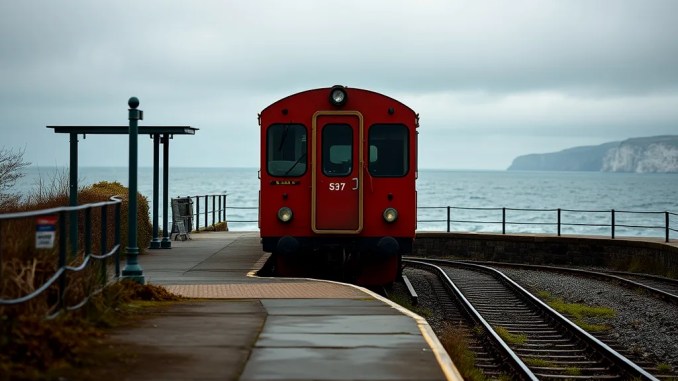
Island Line closure, scope and schedule
The Island Line on the Isle of Wight closed on 31 October for a concentrated period of track renewal and infrastructure upgrades. Network Rail Wessex and South Western Railway (SWR) carry out the works in two phases: the first phase runs until 15 November and replaces and repairs track between Ryde Pier Head and Shanklin; the second phase runs 16–29 November and installs 700 meters of new rail between Ryde Pier Head and Ryde St John’s Road. Operators schedule bus replacements for all affected services while engineering teams complete railbed preparation, rail panel removal and new rail installation.
How passengers will travel during the closure
From 31 October through 15 November, SWR provides advertised bus replacements on the Ryde Pier Head–Ryde Esplanade and Ryde Esplanade–Shanklin corridors. Replacement buses also call at Ryde St John’s Road, Brading, Sandown and Lake. Ryde St John’s Road station and its car park close temporarily so that engineers can set up site offices and store materials; Alternative boarding points and signage guide passengers to nearby bus stops. From 16 November, trains will resume between Ryde St John’s Road and Shanklin while the Ryde Esplanade–Ryde St John’s Road section remains a bus replacement until 29 November.
Exactly what work engineers are doing
Crews focus on three practical tasks: (1) removal of 30 worn rail panels for reuse by the Isle of Wight Steam Railway, (2) targeted rail repairs along the full route between Ryde Pier Head and Shanklin, and (3) laying a continuous 700-metre length of new rail in the Ryde Pier Head–Ryde St John’s Road section. Work includes rail replacement, ballast cleaning and compaction, renewal of fastenings and adjustment of track geometry. Teams also inspect and upgrade signaling where necessary to reduce fault-related delays.
Why the works are needed now
Network Rail describes the program as preventative maintenance intended to reduce the growing incidence of unscheduled repairs. The 2026 closures follow a 2025 autumn intervention (18 October–16 November 2025) that replaced rails through the Ryde Tunnel, renewed points and turnout components at Ryde Esplanade, compressed and stabilized rails along the route and refurbished the Ryde St John’s pedestrian bridge. Those works improved short-term reliability; the 2026 program targets sections that continue to generate faults and operational restrictions.
Benefits for reliability and passenger experience
Delivering continuous welded rail and refreshed infrastructure reduces track joint failures and the need for emergency slow orders. That translates into fewer delays, more consistent journey times to mainland ferry connections and an overall increase in timetable resilience during peak summer months. Reusing 30 removed rail panels on the Isle of Wight Steam Railway preserves heritage material and avoids scrap disposal costs while supporting a local attraction.
Operations, accessibility and local impacts
SWR coordinates timetables and station access with local transport operators to maintain connections to bus services and ferries. Short-term closures of station car parks and platforms concentrate activity in temporary compound areas; project teams publish clear walking routes and step-free alternatives where available. Freight movements and heavy deliveries occur overnight or in controlled possession windows to limit daytime disruption.
What to expect on reopening and follow-up work
After 29 November, operators expect full reinstatement of services on the Island Line before final safety inspections and signal tests conclude. Network Rail may schedule further targeted possessions to complete tamping, final geometry adjustments and minor signaling tweaks. SWR and Network Rail will communicate any residual speed restrictions or phased restorations so passengers and freight users can plan journeys.
Practical tips for travelers during the closure
Plan journeys with extra time for bus transfers, check SWR and Network Rail social channels for real-time updates, use alternative car-park locations away from Ryde St John’s Road while it is used for engineering, and keep ferry connection windows wider than usual to allow for bus travel variability. For regular commuters, verify season ticket compensation options and load digital tickets onto phones before travel in case ticket offices have altered opening hours.








Be the first to comment