US Disrupts Cross-Border Rail Operations with Proposed New Regulations
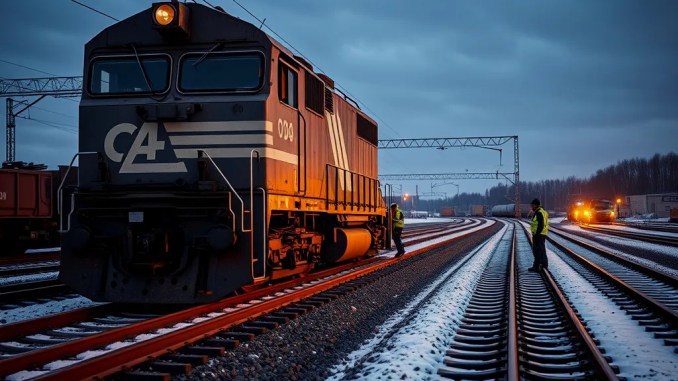
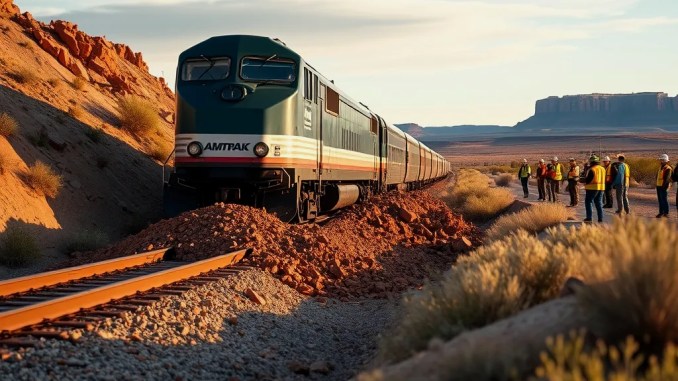
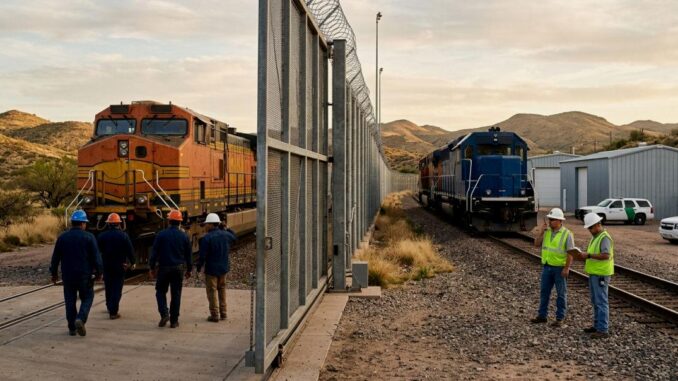
The United States is pushing through transformative legislation aimed at fundamentally altering the landscape of border rail traffic, especially involving Mexican freight trains. This comes after mounting concerns over security, safety, national sovereignty, and labor standards, prompting prosecutors to propose regulations that could prevent Mexican crews from operating inside US territory altogether after crossing the border.
Introduction of the ‘American Railroad Workers Protection Act’
On April 23, the ‘American Railroad Workers Protection Act’ was introduced in the House of Representatives. Co-sponsored by Democrat Chris Pappas and Republican Lance Gooden, this law aims to enhance border security by enforcing stricter regulations on cross-border rail operations. It mandates that all freight trains crossing from Mexico into the US undergo comprehensive security inspections and crew changes within US territory, effectively halting Mexican crew operations after boundary crossing.
Furthermore, the legislation stipulates that only US citizens or permanent residents with proper credentials can operate trains within the United States. This approach aligns with broader national security policies and responds to ongoing debates about the role of foreign labor on critical infrastructure.
Security and Anti-Smuggling Measures Bolster the Proposal
Proponents argue that these measures are essential to combat drug trafficking, human smuggling, and other illegal activities that exploit railway corridors. By imposing rigorous inspection protocols, authorities can better detect contraband directed towards US markets, thereby reinforcing law enforcement’s ability to intercept illegal shipments before they penetrate deeper into domestic territory.
For instance, detailed inspections at border and interior points can reveal concealed compartments and clandestine containers. Additionally, the requirement for crew changes located within US borders ensures law enforcement has jurisdiction over personnel, further deterring smuggling operations carried out by clandestine Mexican operators.
Addressing Language and Operational Challenges
One of the pressing issues encountered in previous cross-border operations involved language barriers, which hampered effective communication during inspections. Under previous regulations, Mexican crew members sometimes struggled to interpret complex safety and security instructions written in English, leading to delays and safety concerns.
The new legislation emphasizes the need for bilingual staff and uniform training programs tailored for Mexican crews to meet US standards. This, in turn, increases operational efficiency and safety, as all personnel will better understand and comply with the strict security protocols.
Reaction from the Railroad Industry and Labor Unions
The proposal has sparked a significant response from the US railroad industry and labor unions. The Brotherhood of Locomotive Engineers and Trainmen (BLET) and other unions have largely expressed support, emphasizing the need to prioritize American jobs and ensure that rail workers are protected under US labor laws.
Many companies that operate freight lines from Mexico, such as CPKC and Union Pacific, face a dilemma. They must either adapt by hiring more US workers or risk losing market access due to regulatory changes. Unionized workers argue that the legislation will safeguard American employment and improve safety standards, reducing risks associated with foreign labor personnel unfamiliar with US regulations.
Implications for Cross-Border Trade and Supply Chains
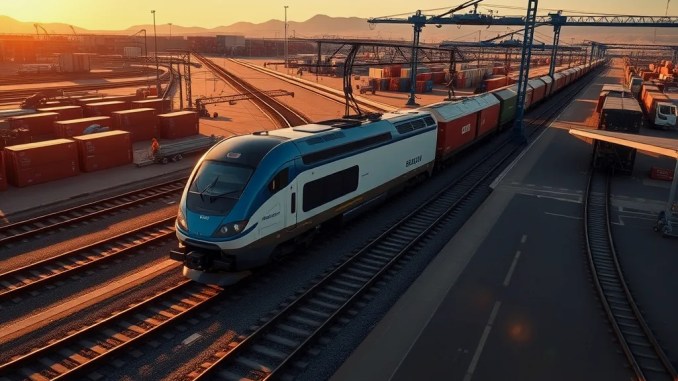
This move could significantly impact the logistics and supply chain sectors relying on cross-border rail freight. Key points include:
- Reduced transit times: Increased inspection times might initially slow down freight movement, but ultimately, tighter security can streamline operations by preventing delays caused by inspections at multiple border points.
- Shift in routes and methods: Companies might seek alternative routes or modes of transportation to circumvent new restrictions, potentially shifting cargo from rail to trucking or maritime options.
- Economic impacts: Supply chains heavily dependent on Mexican rail freight could face increased costs and delays, prompting a reevaluation of logistics strategies and inventory management policies.
Legal and Diplomatic Challenges
Implementation of such regulations invites diplomatic tensions, as Mexico may view the restrictions as infringing upon the freedom of cross-border commerce established by existing treaties. Negotiations between the two countries will be essential to prevent retaliatory measures that could disrupt broader US-Mexico trade relations.
Legal challenges could also emerge domestically from trade associations or foreign operators opposing the discriminatory treatment of Mexican crews. The legislation must carefully balance security interests with fair trade and international cooperation standards.
Conclusion: A Turning Point for Border Railway Policy
Ultimately, the proposed legislation marks a significant shift toward prioritizing US security, employment, and safety in border rail operations. While it aims to mitigate risks associated with illegal activities and foreign labor, it also redefines the operational landscape of North American freight transportation. Stakeholders across government, industry, and diplomacy will need to collaborate closely to implement these changes effectively without jeopardizing vital trade corridors or international relations.