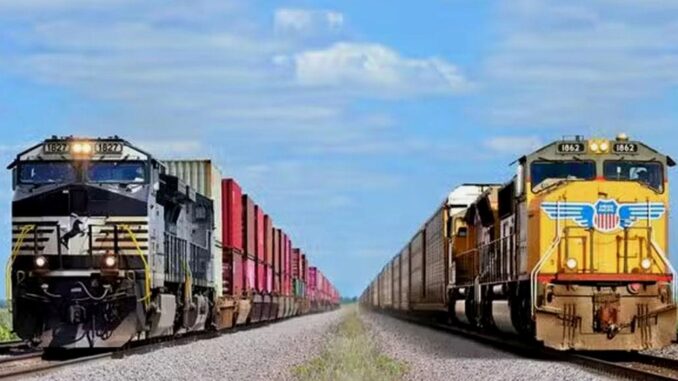
The stakes are higher than ever in North America’s freight rail industry. The proposed merger between Union Pacific (UP) and Norfolk Southern (NS) could reshape the entire logistics landscape, potentially creating the most dominant rail network the continent has ever seen. This move has sparked intense regulatory scrutiny, fierce competitive debates, and strategic industry shifts worth billions. Understanding this complex, multi-layered process is crucial for anyone involved in transportation, investment, or infrastructure sectors.
Background and Significance of the Merger
The Union Pacific-Norfolk Southern merger is not an ordinary corporate consolidation. It promises to unite two of the largest Class I freight railroads in North America, bringing about a network that could effectively control nearly 40% of the continent’s freight movement. This would position the combined entity as a semi-monopoly, capable of dictating prices, service levels, and operational standards. The potential to streamline operations, cut redundancies, and implement cutting-edge technology could significantly increase efficiency and reduce costs for shippers.
Regulatory Hurdles and Strategic Revisions
The initial application for the merger faced swift rejection from the Surface Transportation Board (STB) in January, citing concerns over market competition and fair access. The STB demanded more transparency, a detailed risk assessment, and explicit commitments to maintain competitive conditions. Responding to this, Union Pacific’s leadership announced a comprehensive, revamped application aimed at addressing the regulator’s specific concerns and demonstrating the merger’s benefits without stifling competition.
Why Are Regulators Concerned?
Federal regulators worry that such a merger could lead to market domination, escalating shipping costs and reducing service quality for customers. A combined UP-NS network would nearly double the size of the current domestic rail infrastructure, raising doubts about monopoly leverage. Additionally, regulators are scrutinizing whether the merger could harm intermodal competition with trucking and air freight, which are vital components of North America’s logistics framework.
Industry Pushback and Competitive Dynamics
Major industry players, including Canadian National and BNSF, express concern that a consolidated UP-NS system could diminish overall market competitiveness. Some argue it could create barriers for new entrants and smaller carrier regionals, leading to higher barriers for innovation and service diversification.
However, Union Pacific counters these fears by emphasizing the efficiency gains and customer benefits. They argue that the merger will enable more integrated, faster transit times and enhanced network resilience, particularly in the face of global supply chain disruptions.
Impacts on the Market and Consumer Choice
If approved, the merger will drastically change the logistics landscape by creating a rail-roading behemoth capable of offering streamlined services across the US and Canada. This consolidation could lower transportation costs for key industries like automotive, agriculture, and steel, but only if competitive safeguards are effectively implemented.
Furthermore, this move could trigger new regulations focused on service commitments, rate caps, and access requirements aimed at preventing the abuse of market power. The dilemma remains: how to balance efficiency benefits with competitive fairness? This balance is critical to ensure that small businesses, shippers, and consumers do not suffer from monopolistic practices.
Technology and Operational Integration Strategy
Union Pacific has announced that the merger process prioritizes technological integration and operational synergy. They plan to leverage innovations like digital track management, automated logistics planning, and real-time monitoring systems to optimize the combined network.
Drawing lessons from past failures, where rushed integrations led to service interruptions, UP commits to proceed gradually and meticulously. The focus will be on seamless network integration, ensuring that service quality remains high while reducing operational redundancies.
Future Outlook and Industry Trends
Analysts forecast that if this merger clears regulatory hurdles, it could pave the way for similar deals among North America’s other major railroads, such as Canadian National and CSX. These potential consolidations aim to maximize network efficiency and expand market reach, responding to the growing demand for sustainable and cost-effective freight transportation.
Moreover, the ongoing development of autonomous freight technology and green infrastructure suggests that the future of rail freight may become more innovative and eco-friendly. The UP-NS merger could serve as a catalyst, accelerating digital transformation and network modernization across the continent.