Introduction: Winds of Change at Depth
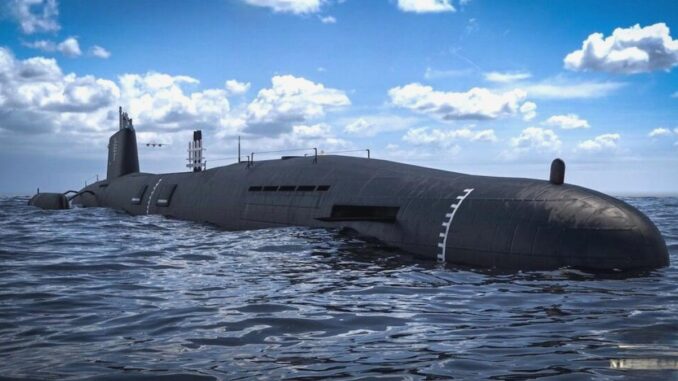
Redefining the balance of power in the Pacific and Oceans, China’s Very Large Unmanned Underwater Vehicles (XXLUUV) program is more than just a science fiction scenario, it is at the heart of real-world strategic operations. Equipped with advanced propulsion systems, long range, superior sealing technologies and integrated sensor networks, these vehicles are designed to monitor seabed infrastructures, lay mines, collect deep sea intelligence and offer smart attack capabilities when necessary. This article covers in depth the technical structure, operational capacity and impact of XXLUUVs on the international security environment.
Key Features and Design Ideas of Chinese XXLUUVs
The 40-meter-long XXLUUVs were produced in a size exceeding the dimensions of conventional diesel submarines. This large volume, combined with high-capacity battery packs and hybrid diesel-electric propulsion system, minimizes the risk of detection by enemy radars and sonars. Designed for covert reconnaissance and secure communication line security, these platforms are specifically optimized for deep-sea operations and cyber-attacks on maritime lines. The vehicles are equipped with modern sensor and camera sets and have the capacity to collect rich data during the mission. Additionally, highly advanced sealing technologies provide detailed navigation data for aircraft and surface ships.
At first glance, their high range feature stands out: With the ability to operate over 10,000 nautical miles, these vehicles can carry out long-term missions even in the depths of the oceans, far from coastal areas. In regional operations, this means a constant flow of intelligence, target identification and the capacity to respond quickly when necessary.
Technology Scorecard: Drive, Batteries and Sealing
In XXLUUVs, the hybrid diesel-electric propulsion system balances high speed and quiet operation. This combination makes them harder to detect by enemy radars and sonar, while also extending their mission duration. High-capacity batteries enable long-term independent missions with fast charging when necessary. In addition, thanks to advanced sealing technologies, resistance to deep sea pressures and long-term operational reliability are ensured. These structures strengthen the capacity to monitor the seabed and its infrastructures and provide operators with advanced imaging and analysis capabilities.
Operational Areas of Use and Depths of Mission Range
XXLUUVs have a wide range of missions, from laying mines to cutting underwater cables. This brings the ability to maintain maritime superiority and effectively counter threats to critical infrastructure security. Particular attention is paid to the following operational scenarios:
- Covert reconnaissance and intelligence gathering — deep analysis with sonar, acoustic and imagery data.
- Mine detection and mapping — establishing safe routes and defense plans by determining the locations of mine devices.
- Interruption/monitoring operations of communications infrastructures — cyber and physical interception capabilities against enemy lines.
- Observation of seabed infrastructures—monitoring of power transmission lines, cable communications cities, and seabed systems.
Capabilities in this direction provide critical data flow for defense strategies. With real-time data integration, operators can accelerate their decision-making processes and respond effectively in a short time.
International Security and Geopolitical Implications
China’s XXLUUV program strengthens its goals of resource-controlled influence in the Pacific region. This development forces other forces in the region to reposition themselves in terms of maritime security and critical infrastructure protection. The United States and its allies are rethinking their security strategies in the face of the increasing presence of such high-tech submarine platforms. Competition between naval powers in the Pacific has profound effects on strategic balance and creates the necessity of integration with new defense technologies in the region. Additionally, the importance of integration between cyber warfare capabilities and naval operations is increasing; because the security of wired communication and sensor networks is vital for these platforms.
Risks and Impact on International Stability
The proliferation of XXLUUVs poses significant risks to the international security balance. Concurrently with enemy forces, these tools can impact global security due to misuse, margin of error, and supply chain risks. Additionally, the concentration of naval technologies triggers new defense needs in terms of cyber threats and information warfare. Increasing tensions in the region necessitate the development of safe communication channels and balance policies for risk management and transitions without reducing human comfort.
Future Developments and Strategic Learnings
Looking to the future, XXLUUVs will go deeper into decision support systems with automation and artificial intelligence integration. Developers are focusing on developing acoustic sensor fusion and evaluation algorithms for silent operations. It also establishes more reliable local and cloud-based analysis infrastructures for seabed security in rally and reconnaissance scenarios. In this process, international cooperation and compliance with rules also gain critical importance; because submarine operations often require multilateral security architectures.
Guide for Operators: Safe and Effective Ways of Use
For effective use of XXLUUVs, operators should adopt these steps:
- Planning and risk assessment — analyze target area, water density, depth and seismic conditions.
- Image and data management — integrate sensor data in real time and identify critical indicators.
- Privacy and security protocols — maintain strict communication encryption and sealing standards.
- Prepare for communications disruptions — maintain operations through alternative command and control channels.
- Environmental sustainability and legal compliance — ensure compliance with international law and regional regulations.
This strategic guidance allows XXLUUVs to conduct its operations within a safe, effective and ethical framework. It also strengthens immediate crisis response capacities through transparency and security communication for the international community.