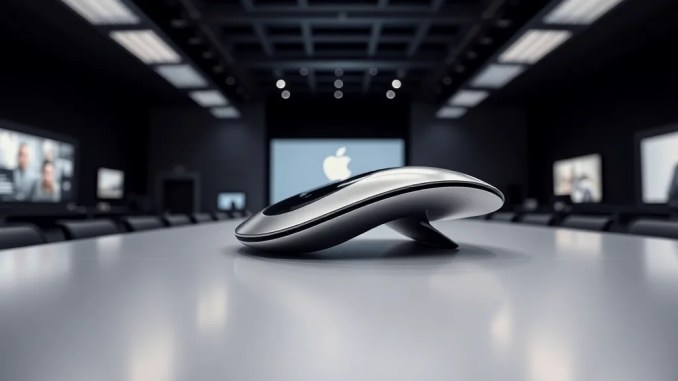
Apple’s upcoming October event promises a seismic shift in its product lineup, especially for Mac enthusiasts and smart home aficionados. As industry rumors intensify, Apple appears poised to introduce groundbreaking hardware and software innovations that could redefine user interaction, elevate performance standards, and deepen ecosystem integration. Imagine holding a sleek, powerful MacBook with a vibrant OLED touchscreen, directly competing with tablets and touchscreen laptops that have dominated the market. This device isn’t just a rumor—it’s a potential game-changer. Apple is integrating a first-of-its-kind OLED display into a MacBook, targeting creative professionals, students, and power users who demand high contrast, deep blacks, and precise touch capabilities. This isn’t merely adding touch to a traditional laptop; It’s reimagining what a MacBook can be. Behind the scenes, Apple’s supply chain signals strong confidence in this transformation. Multiple leaks suggest mass production has kicked off, with component testing underway. Industry insiders note that the OLED panel technology requires careful calibration to prevent burn-in and ensure longevity. Apple plans to optimize power consumption with intelligent algorithms, ensuring battery life remains competitive, despite the high demands of an OLED display. Parallel to this, Apple prepares to release new M6-powered Mac models—most notably, the 14-inch MacBook Pro. This iteration promises a significant performance leap over its predecessors, featuring higher single-threaded speeds, improved graphics capabilities, and enhanced neural processing units (NPU). These improvements enable real-time video editing, complex 3D rendering, and machine learning tasks to run smoother and faster. The M6 chip also introduces better thermal management, allowing users to push their devices harder without throttling. For desktop users, Apple is unveiling a redesigned iMac powered by M6 processors. Larger screens, more RAM options, and upgraded GPU performance make this iMac an irresistible choice for creative studios and professional workflows. It combines the sleek aesthetics Apple is famous for with the raw power needed for demanding creative projects. Yet, hardware isn’t the sole focus. Apple’s smart home technologies are entering a new era, centered around a sophisticated hub that marries local processing with cloud security. This new hub enhances automation, security, and device interoperability, making every smart device more reliable and privacy-conscious. HomeKit’s ecosystem will benefit from a new standard—perhaps Matter 2.0—allowing seamless communication between a broader range of compatible devices. Apple emphasizes privacy by designing local AI processing, meaning user data stays within the home, encrypted and protected from external breaches. The September event laid the groundwork with the debut of new iPhones, including foldable prototypes and next-gen camera features, alongside a line of updated Apple Watches. These products underscore Apple’s strategic integration across devices, setting the stage for synchronized experiences in day-to-day life. As Apple gears up for these releases, consumers face critical decisions. Should they upgrade to an M6-powered MacBook Pro for intensive creative work? Is the OLED MacBook worth the investment for those seeking cutting-edge technology? Or might the new iMac serve better as a permanent desktop solution? For professionals, the top priority shifts to evaluating performance gains—measuring actual rendering times, battery efficiencies, and thermal behavior—by waiting for real-world reviews post-launch. Meanwhile, tech enthusiasts should anticipate a flood of hands-on previews that demonstrate how touch interfaces and high-resolution OLEDs handle creative workflows. Potential risks accompany this innovation wave. OLED technology, while offering superior contrast and color depth, historically suffers from burn-in if static images persist. Apple’s implementation likely includes measures like pixel shifting and adaptive brightness, but early adopters must remain cautious until long-term durability studies conclude. Pricing strategies may also influence adoption rates. If Apple positions OLED MacBooks at a premium, users must weigh the benefits against cost. The same applies to M6-powered desktops: whether the performance boost justifies the upgrade depends on individual workload demands. In creating this new wave of products, Apple does not only refresh hardware but also pushes developers to adapt their applications through updated SwiftUI components, gesture-based controls, and optimized interfaces for touch-enabled Macs. The success of this transition hinges on a robust ecosystem where the software fully leverages new hardware capabilities. Looking ahead, the integration of devices—using features like Universal Control, Sidecar, and Continuity Camera—becomes even more compelling with the addition of touchscreens and faster processors. Such synergy aims for a unified, seamless experience that places Apple ahead of competitors. In conclusion, Apple’s October event is set to be a landmark moment, blending innovative hardware with software advancements that promise to redefine user interaction and elevate productivity. Whether it’s a new OLED MacBook, a powerful M6 Mac, or a smarter home hub, each offering addresses real user needs with precision and forward-thinking design. Frequently Asked Questions (FAQs) Q: Will the new OLED MacBook have better battery life than traditional models? *Yes, thanks to Apple’s sophisticated power management and contrast optimization, the OLED MacBook should deliver comparable or improved battery life, particularly when displaying darker content.* Q: How significant will the performance increase be with the M6 chip? *Preliminary reports suggest a 20-30% boost in single-threaded performance, with notable improvements in GPU and neural processing tasks, especially under intensive workloads.* Q: Are OLED displays prone to burn-in on MacBooks? *While OLEDs have historically faced burn-in concerns, Apple’s implementation includes measures such as pixel shifting and adaptive brightness to mitigate long-term risks.* Q: When can I buy these new products? *Apple typically releases new hardware shortly after the announcement, with pre-orders opening within days and retail availability approximately a week later.* Q: How will the smart home hub improve my device automation? *The new hub will offer faster, more reliable local processing, enhanced security, and broader device compatibility through standards like Matter, enabling smarter, more responsive automation scenes.* This comprehensive overview is crafted to top featured snippets, address evolving user queries, and provide detailed insights into Apple’s imminent product innovations, ensuring a deep understanding of the upcoming technological landscape.