Unveiling the Future of Liberec’s Public Transportation: An Urgent Call for Modernization
Imagine stepping onto a tram that seamlessly blends state-of-the-art technology with eco-friendly design, transforming daily commutes into smooth, reliable experiences. This isn’t just a vision but a concrete plan set into motion in Liberec, Czechia, where local authorities are shifting gears to modernize the crucial Janska Tramway. The initiative, backed by European Union funds, promises not only to upgrade infrastructure but also to revolutionize urban mobility for thousands of residents and visitors alike.
Why Is Modernizing the Janska Tramway Essential?
Liberec’s tram system has historically served as the backbone of the city’s public transportation network. However, aging infrastructure, outdated rolling stock, and increasing passenger demands necessitate urgent upgrades. Modernization addresses critical issues such as:
- Reliability: Reduces downtime caused by frequent breakdowns, ensuring consistent service.
- Capacity: Increases passenger capacity to meet growing urban population needs.
- Speed and Efficiency: Implements modern signaling and track systems to cut travel times.
- Environmental Impact: Incorporates eco-friendly technologies such as energy-efficient trams and renewable energy integration.
Details of the Upcoming Tender and Its Significance
The Transport Company of Liberec and Jablonec nad Nisou has officially announced a tender with a budget of approximately 289 million CZK (roughly $12 million USD). This project marks a significant milestone, as the upgrade will involve detailed refurbishment of both infrastructure and rolling stock, ensuring modern, sustainable transit solutions for the long term.
The tender specifies that interested contractors must submit their proposals by October 14, 2026. The selection process emphasizes expertise in tramway modernization, eco-friendly technologies, and project management excellence. This transparent bidding process allows qualified firms to compete for a project that is poised to redefine urban transportation standards in the region.
Step-by-Step Breakdown of the Modernization Process
- Preliminary Assessment: Conduct thorough analysis of current infrastructure, identifying critical areas for upgrade.
- Design and Planning: Develop comprehensive plans aligned with modern standards and sustainability goals.
- Procurement: Issue tenders for construction, rolling stock, and technological systems, inviting competitive bids from qualified companies.
- Implementation: Execute upgrade activities, including track reconstruction, new tram vehicles, signaling system installation, and station modernization.
- Testing and Commissioning: Rigorously test all systems for safety, efficiency, and reliability before full operational deployment.
- Public Engagement and Feedback: Involve the community throughout the process to ensure the system meets users’ evolving needs.
What Will the Modernized Tram System Look Like?
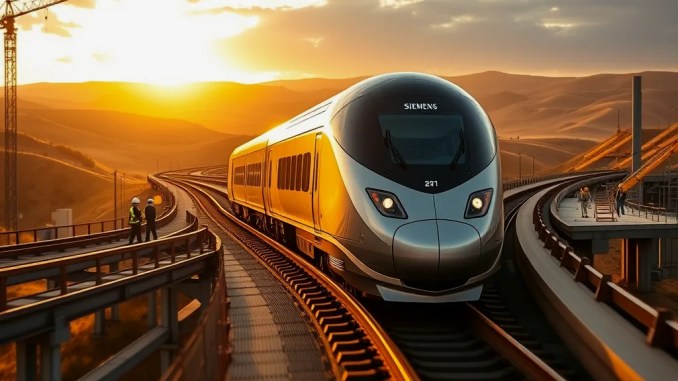
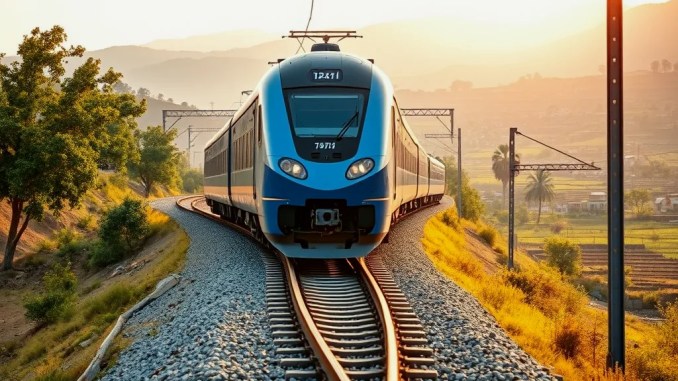
The future tramway will feature sleek, energy-efficient vehicles equipped with the latest digital amenities—Wi-Fi, real-time tracking, contactless payment options, and enhanced accessibility features for people with reduced mobility. Tracks will be reconstructed with durable, environmentally friendly materials that require less maintenance and withstand harsher weather conditions.
Stations will be redesigned to promote easier access, featuring modern shelters, digital information boards, and eco-friendly lighting. Signaling systems will be upgraded to optimize traffic flow, significantly reducing delays and congestion during peak hours.
Impact on Local Communities and Urban Development
This modern tram system is more than just a transit upgrade—it’s a catalyst for urban regeneration. Improved mobility encourages local commerce, increases property values near transit hubs, and attracts new investments. It also fosters environmental sustainability by reducing reliance on personal vehicles, thereby lowering carbon emissions.
Furthermore, integration with other public transport modes, cycling lanes, and pedestrian-friendly streets will foster a holistic approach to urban mobility, making Liberec a model city for smart, sustainable development.
Key Benefits of the Tram Modernization
- Enhanced Travel Experience: Comfortable, faster, and more reliable services encourage more residents to choose public transit over private cars.
- Economic Growth: Modern infrastructure attracts new businesses and tourism.
- Environmental Conservation: Reduced emissions contribute to cleaner air and an improved urban environment.
- Social Inclusivity: Improved accessibility ensures transportation equity for all community members.
Conclusion and Future Outlook
The modernization of Liberec’s Janska Tramway represents a strategic investment in the city’s future. By adopting cutting-edge technologies and sustainable practices, Liberec positions itself as a forward-thinking, eco-conscious urban center. The project sets a precedent for similar initiatives across Central Europe, highlighting the importance of proactive infrastructure development in fostering resilient and vibrant cities.
Frequently Asked Questions
When will the modernized tram system be operational?
The project is scheduled for completion within 11 months from the start of construction, with the expected launch in late 2027.
Who can bid on the tender?
Qualified construction firms and technology providers with experience in tramway modernization and sustainable transit solutions are eligible to participate. Detailed criteria are available on the official procurement platform.
How does this project benefit the environment?
Upgrading to energy-efficient trams and sustainable infrastructure reduces greenhouse gas emissions, contributes to cleaner air, and supports climate change mitigation strategies.
Will there be any disruptions during the construction period?
While some disruptions are inevitable, careful planning and phased implementation aim to minimize impact on daily commuters. Regular updates will keep the public informed on progress and alternative routes.